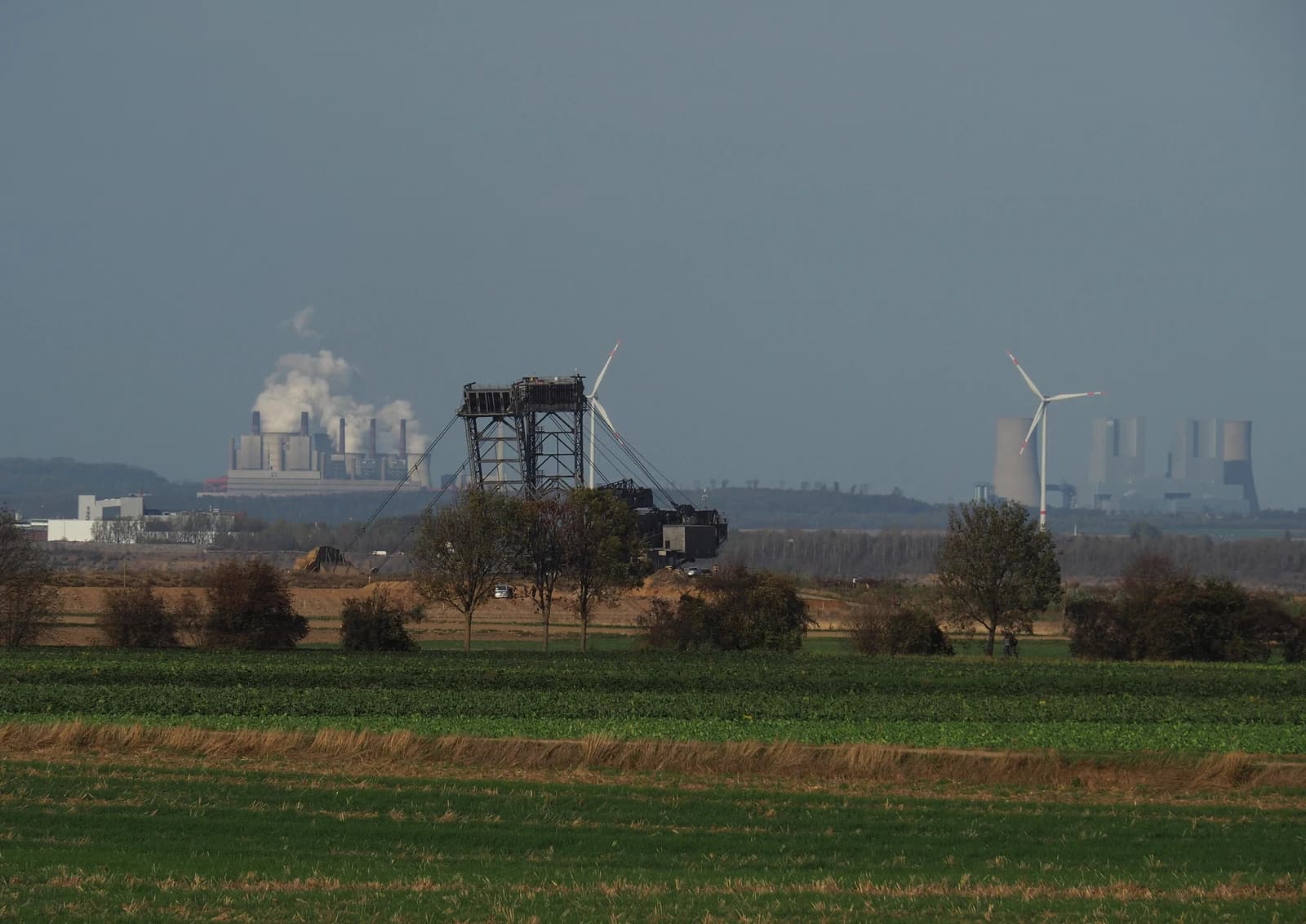
Europe’s shrinking fleet of coal-fired power plants is making money again as the global LNG squeeze drives gas prices higher and forces utilities to rely on dispatchable capacity to keep grids stable.
Europe coal plants profit as gas prices rise

That matters because it shows how quickly an energy shock can reverse years of decarbonisation economics. Even as coal demand continues its structural decline, the remaining plants in Germany and Poland — the key holders of Europe’s last meaningful coal capacity — are being pulled back into the system by a gas market that has tightened sharply ahead of winter. The result is a temporary but important revival for coal generation, with implications for power prices, utilities and the pace of Europe’s energy transition.
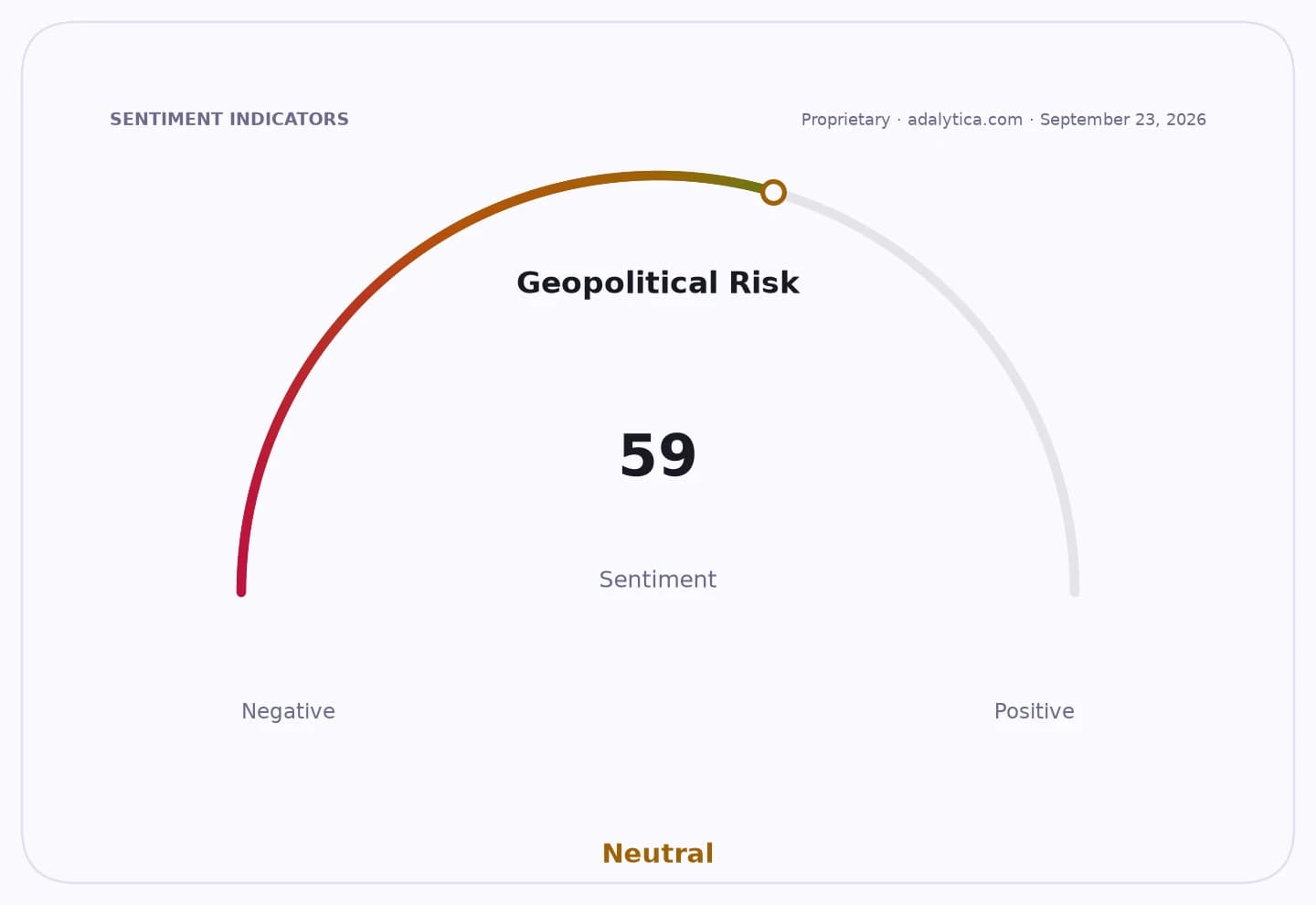
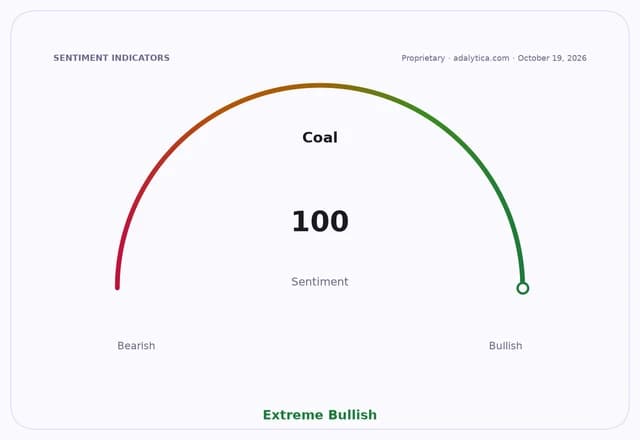
Sentiment IndicatorsⓘProprietary · adalytica.com · October 19, 2026
This is a snapshot — live sentiment, awareness and momentum for 130+ markets update continuously in the dashboard.Open AlphaPulse
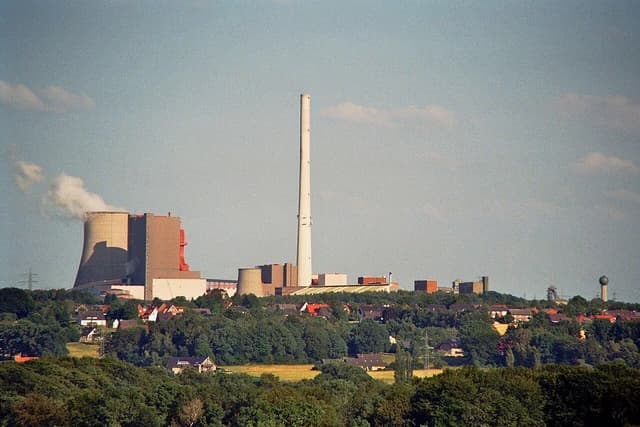
A key profitability measure for lignite-fired generation in Germany has risen to as much as $72, or 64 euros, per megawatt hour this month, from near zero a year ago, according to Energy Aspects estimates cited by Bloomberg. Sabrina Kernbichler, an analyst at the firm, said those spreads are expected to stay elevated through March. The economics have improved because gas supply costs have surged while LNG flows remain constrained, leaving coal-fired plants more competitive despite their higher emissions profile.
The shift is not just a trading story. It reflects a broader strain across Europe’s power system, where gas-fired generation is falling as consumers cut demand and utilities conserve fuel, while coal plants that had been kept as backup or mothballed capacity are again being called on to support the grid. Germany and Poland account for most of the region’s remaining operational or restart-ready coal fleet, making them the main beneficiaries of the change and central to the continent’s short-term energy security.
The International Energy Agency said last month that Europe’s coal demand is still headed lower, but not as fast as previously expected. It now sees annual demand at 276 million tons in 2026, down from 292 million tons last year but above earlier forecasts. The agency said higher gas prices have reduced the expected decline in countries such as Germany and Poland, where spare coal capacity remains available. It also warned that cold spells this winter could lift coal use further, especially after geopolitical shocks in the Middle East rattled oil and gas markets.
For investors, the message is that Europe’s energy transition remains exposed to fuel-price volatility and geopolitics. Higher gas prices tend to support utilities with flexible coal assets, boost power-generation margins and improve near-term cash flow for coal-linked producers, even if the medium-term policy direction remains against coal. The flip side is a headwind for gas-dependent power utilities and LNG sellers facing softer or more volatile offtake conditions if industrial demand weakens or inventories rebuild.
The market backdrop also helps explain why coal exposure has regained relevance. Adalytica’s Coal Fear & Greed Index shows extreme greed, underscoring the market’s rush to price in stronger coal economics, while the broader global stability gauge has turned more cautious after the Middle East shock. Even so, the rally in coal is likely to remain tactical rather than structural: Europe still intends to close coal capacity, and the IEA’s forecast keeps demand on a downward path. But through the winter, the marginal megawatt may still come from coal.
| Entity | Gains | Losses |
|---|---|---|
| Europe’s coal plants | ▲Higher generation margins | ▼Long-term phaseout momentum |
| German and Polish utilities | ▲Dispatchable power profits | ▼Gas-fired generation economics |
| LNG suppliers | ▲Higher spot pricing power | ▼Volume sensitivity from demand destruction |
| European climate goals | ▲None | ▼Slower coal exit than planned |