The European Union is preparing to intervene more directly in its gas market after European Commission President Ursula von der Leyen proposed creating strategic natural gas reserves, a move aimed at cushioning the bloc against supply shocks and winter price spikes following the ban on Russian imports.
EU gas reserves proposal for winter supply security
The proposal matters because Europe has traded one form of energy dependence for another. With Russian pipeline gas largely removed from the system, the EU is more exposed to competition for liquefied natural gas cargoes, weather-driven demand swings and any disruption to storage refill efforts. Strategic reserves would give Brussels a stronger role in emergency planning, potentially reducing the odds of a scramble for supply that forces utilities, industrial buyers and governments into the market at the same time.
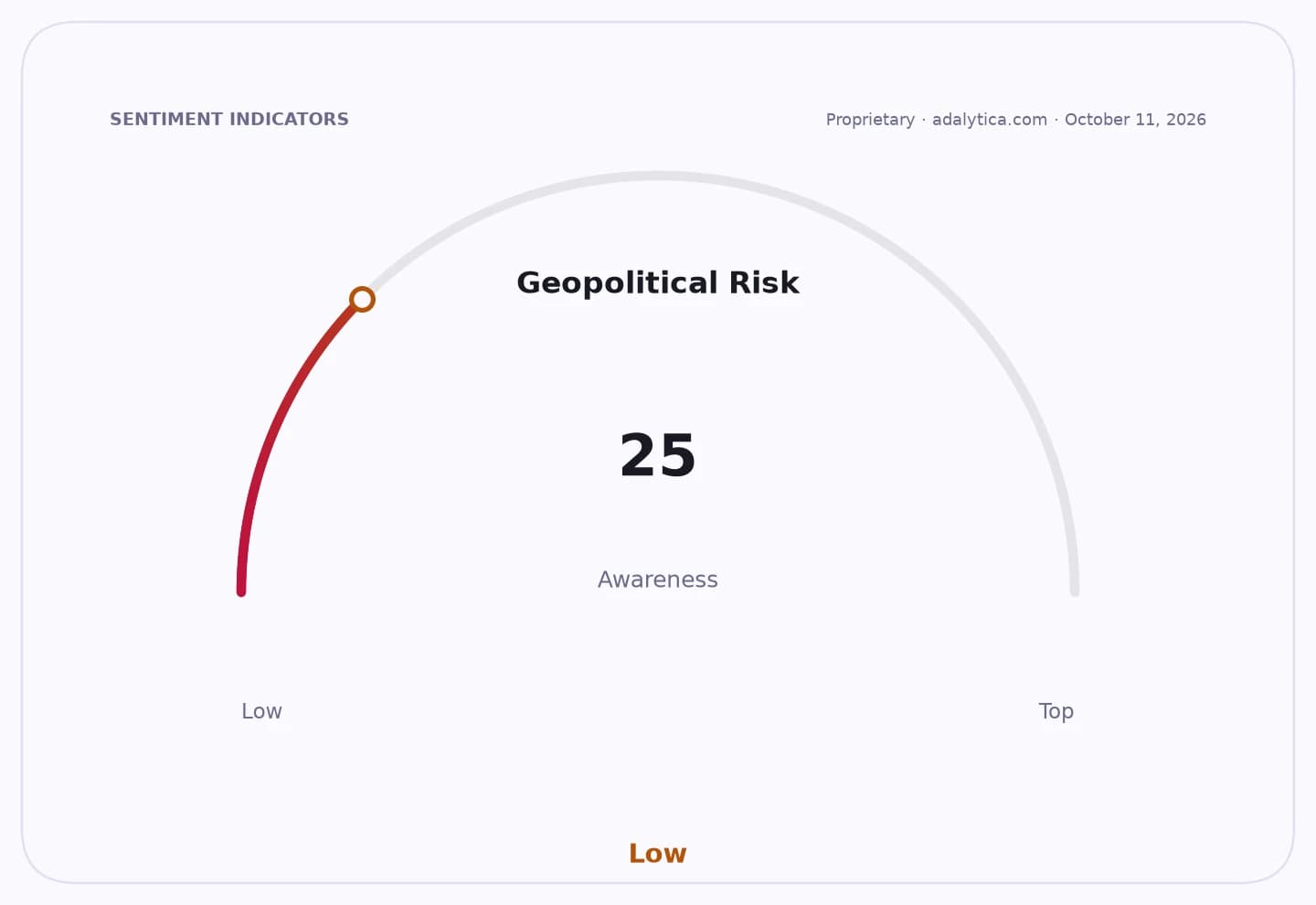
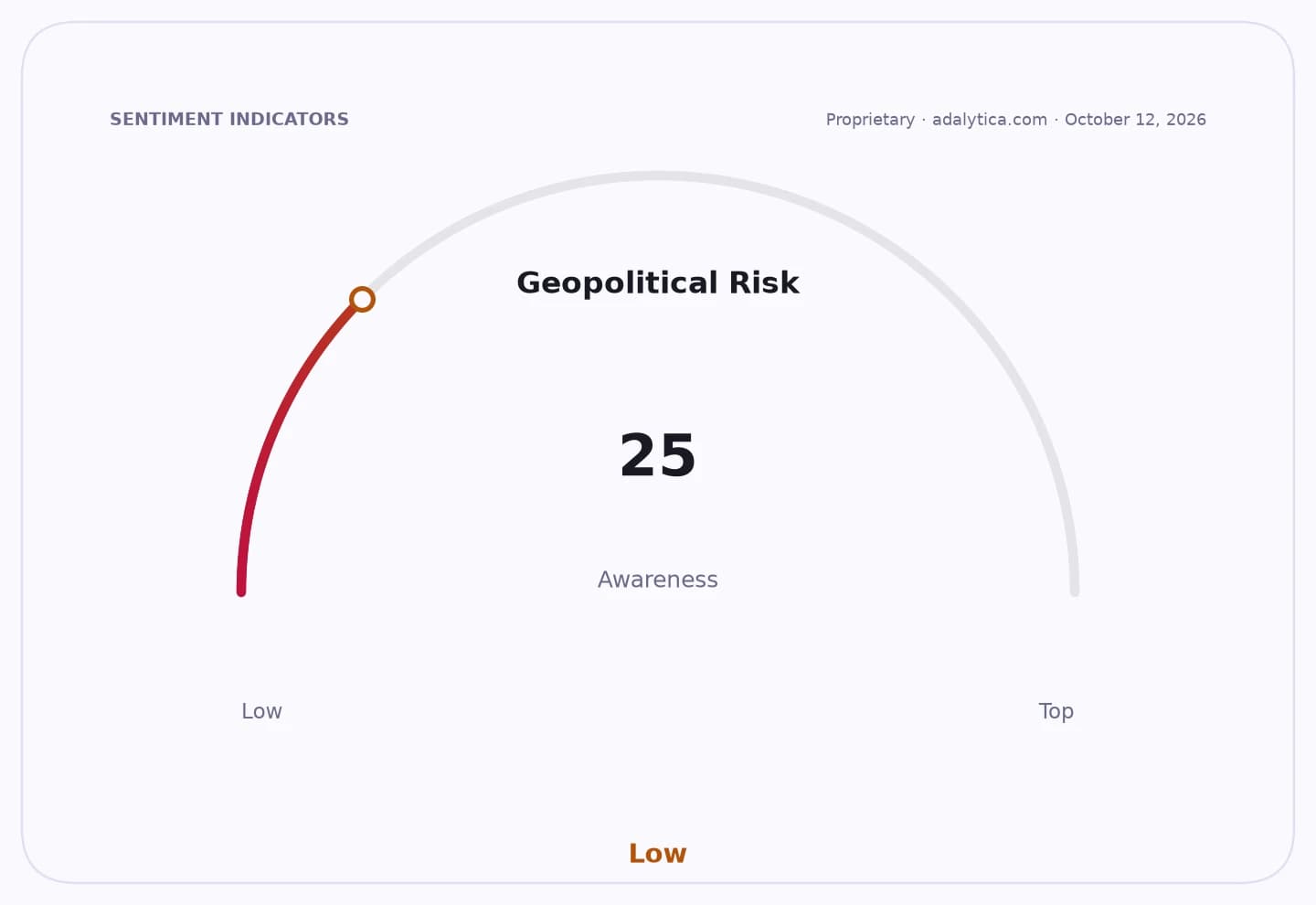
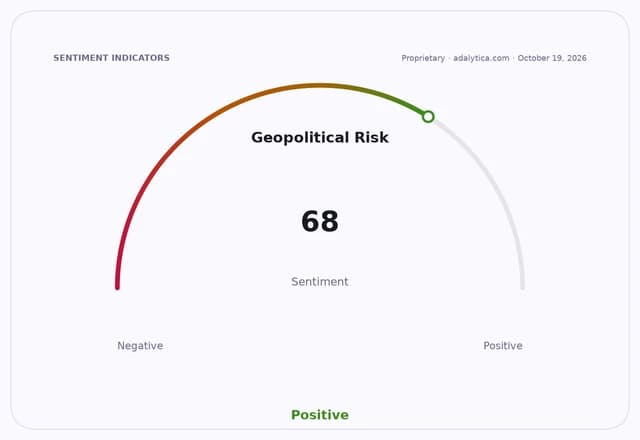
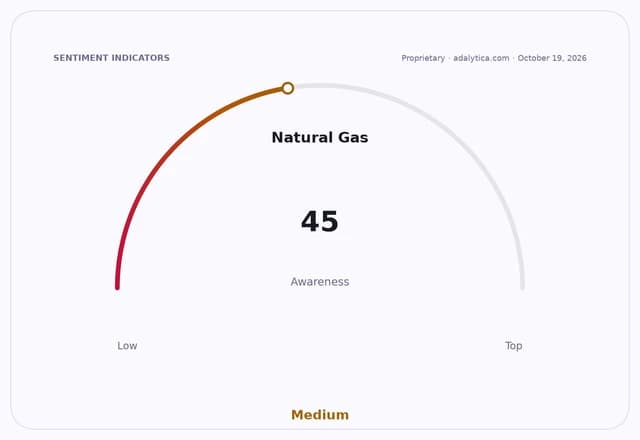
Sentiment IndicatorsⓘProprietary · adalytica.com · October 19, 2026
This is a snapshot — live sentiment, awareness and momentum for 130+ markets update continuously in the dashboard.Open AlphaPulse
For investors, the message is that gas security is no longer just a seasonal issue but a policy priority. Any EU-backed reserve system would likely support the case for stronger storage incentives, firmer winter demand for LNG and potentially a higher risk premium across European gas benchmarks. It also reinforces the view that energy markets remain vulnerable to geopolitical shocks even after the sharp price dislocations of the past few years.
The backdrop is still uneasy. Market gauges on natural gas have been flashing extreme bullishness, reflecting tight sentiment around supply and the possibility that policy headlines can quickly move prices. That does not necessarily mean a sustained rally is imminent, but it does suggest traders are sensitive to any measure that could alter storage behavior, import flows or winter balancing costs.
The policy also has a broader industrial angle. Europe’s energy-intensive manufacturers, already dealing with structurally higher costs than many rivals in the U.S. and parts of Asia, would benefit if reserves helped damp volatility. The bull case is that a coordinated buffer system lowers the risk of emergency buying and improves confidence in physical supply. The bear case is that reserve-building could tighten the market if purchases are concentrated during refill periods, adding pressure to prices before the cold season.
Natural gas importers, utilities and downstream manufacturers will be watching whether Brussels turns the idea into a binding storage framework or leaves it as a contingency tool. The more prescriptive the plan, the greater its influence on market pricing and procurement strategies; the looser it is, the more it may serve as a political signal than a market shift.
| Entity | Gains | Losses |
|---|---|---|
| EU governments | ▲Energy security | ▼Budget flexibility |
| Gas traders | ▲Volatility opportunities | ▼Policy uncertainty |
| LNG exporters | ▲Potential demand support | ▼Higher competition for supply |
| Industrial users | ▲Lower shortage risk | ▼Possible higher refill costs |