Washington is floating a plan to restore Russian gas flows to Europe, a move that could shake up the continent’s energy map, weaken demand for U.S. liquefied natural gas and reopen a geopolitical fault line that Europe had tried to close for good.
Russia Gas Flow Plan Could Weigh On U.S. LNG
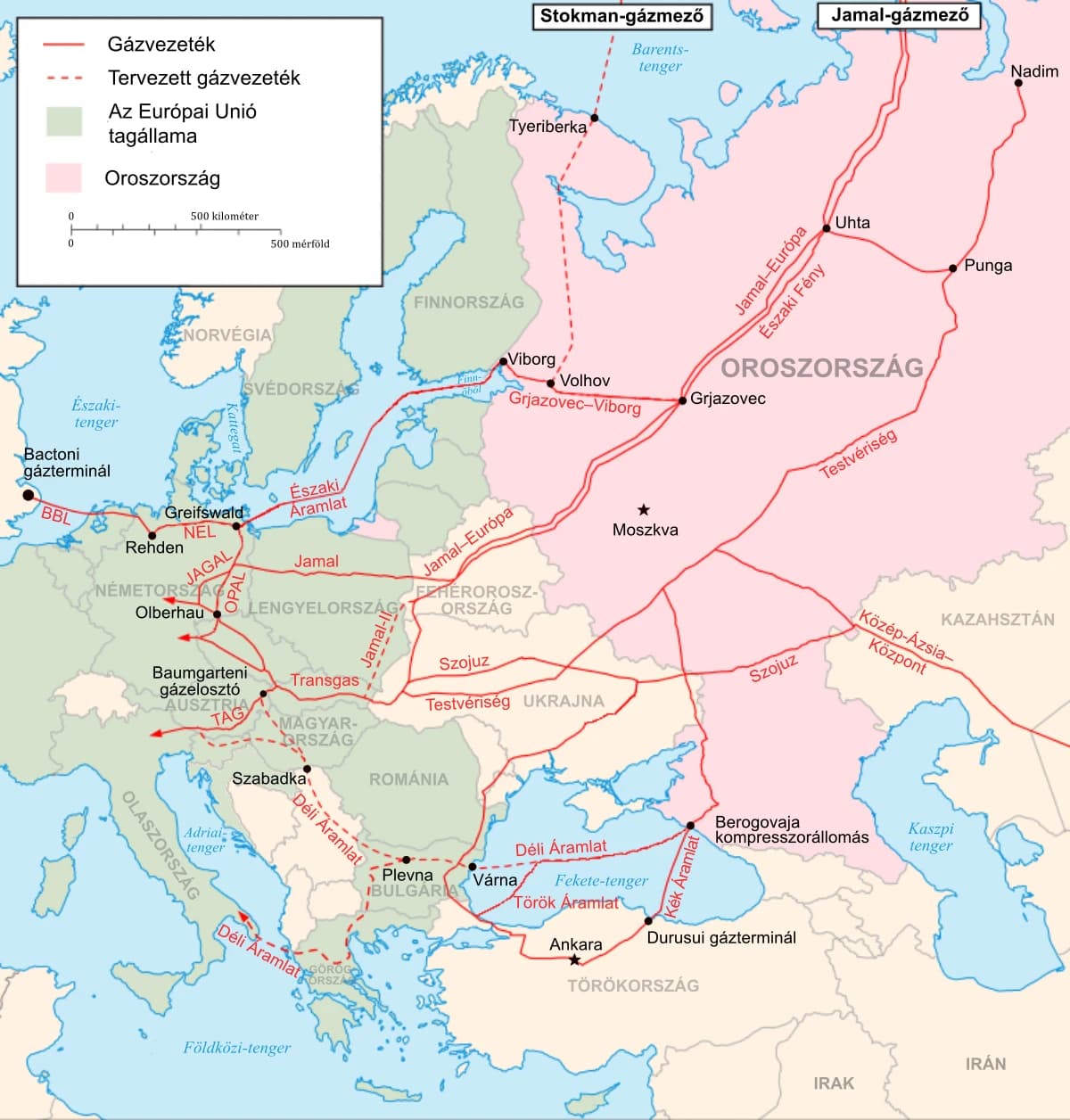
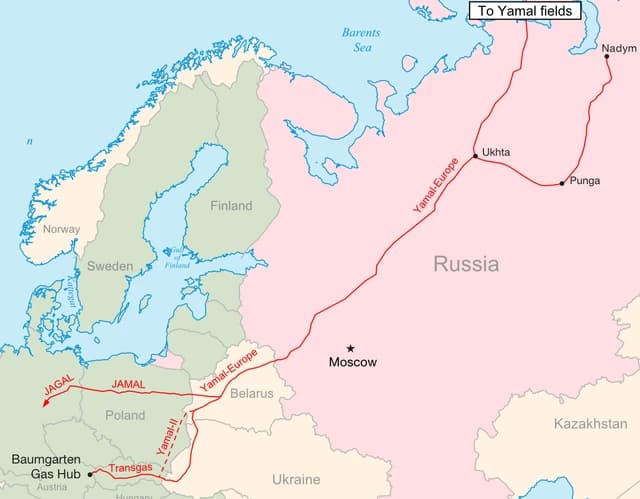
The proposal, reported by the New York Times and described in comments from Ukrainian President Volodymyr Zelenskiy, would effectively turn energy trade into part of a broader settlement with Moscow. That matters because Europe spent the past three years trying to break its dependence on Russian fuels, and any revival of pipeline gas would not just change who supplies the market — it would change pricing power, infrastructure economics and the balance of leverage between Washington, Brussels and the Kremlin.
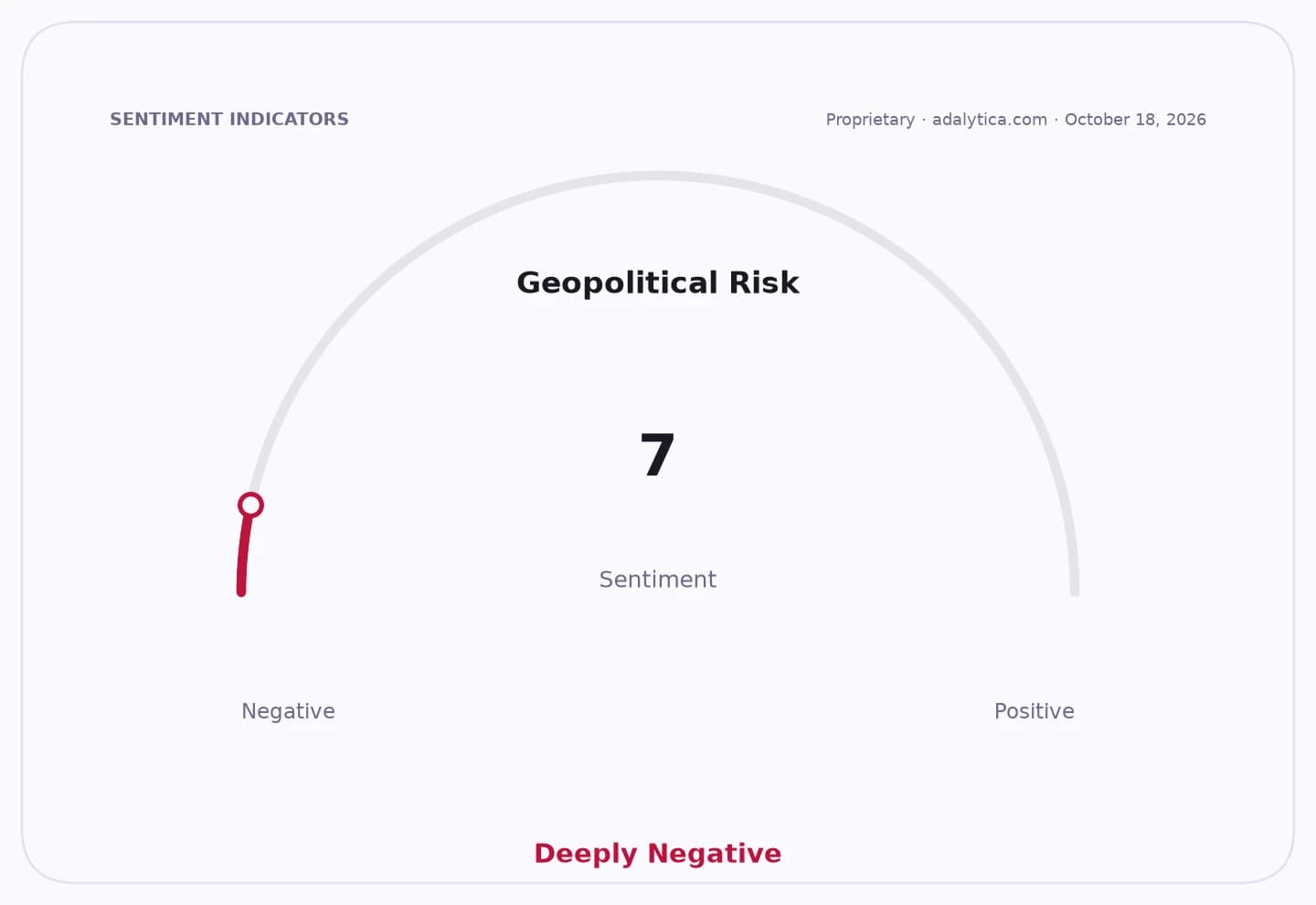
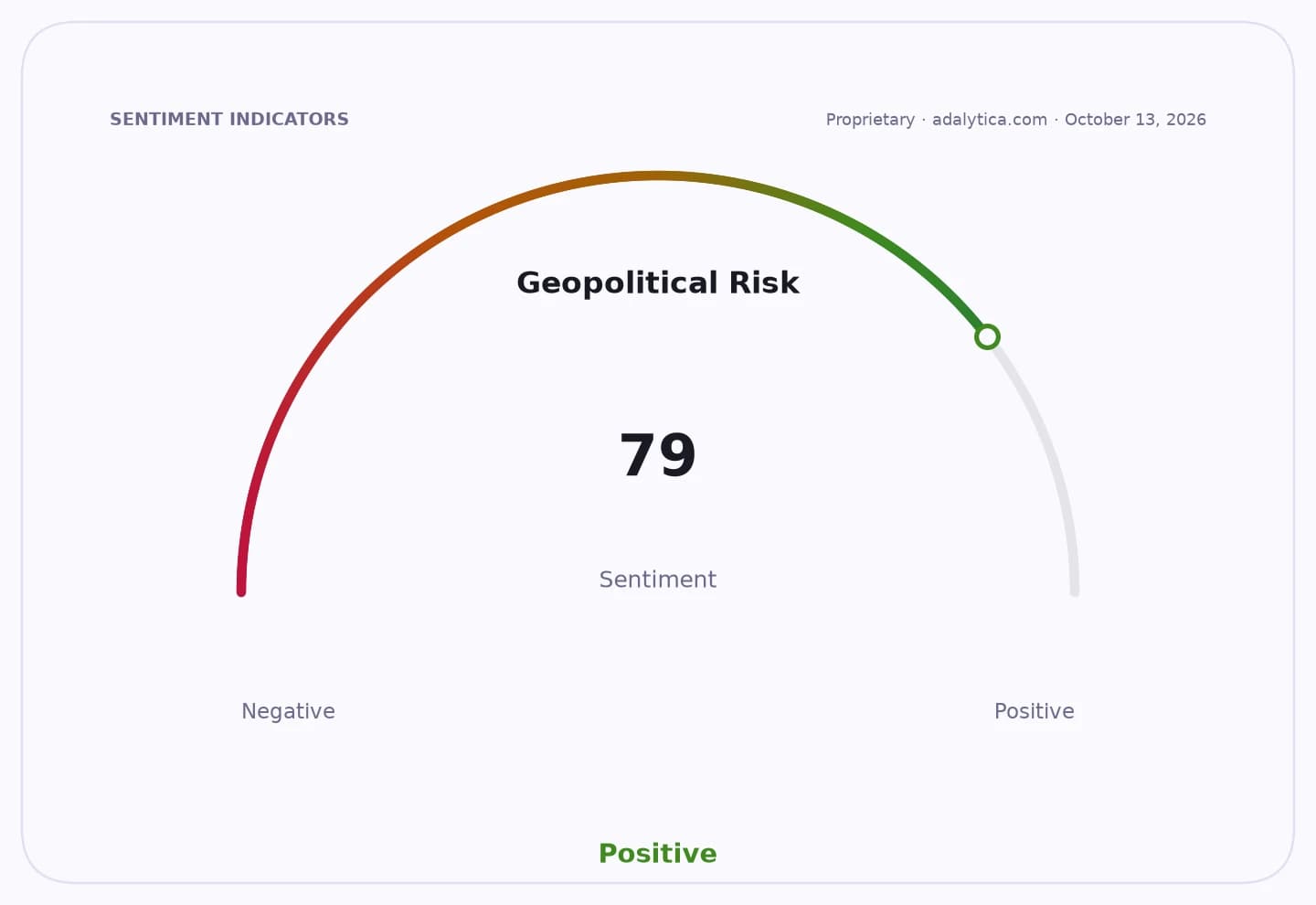
Sentiment IndicatorsⓘProprietary · adalytica.com · October 21, 2026
This is a snapshot — live sentiment, awareness and momentum for 130+ markets update continuously in the dashboard.Open AlphaPulse
For investors, the biggest issue is not simply whether gas starts flowing again. It is what that would do to the cash flows tied to Europe’s energy reset. U.S. LNG exporters have benefited from the continent’s scramble to replace Russian supply, while European utilities and industrial buyers have been forced to pay up for diversification. If Russian volumes return, even partially, the margin case for higher LNG imports into Europe could weaken, pressuring the trade that has underpinned U.S. gas infrastructure and shipping demand.
That risk is already visible in the market backdrop. U.S. natural gas proxy UNG is down to $10.09, roughly 40% below its late-January peak near $16.90, with the fund now sitting below its 50-day moving average of $10.49. The broader energy complex is still firm — XLE closed at $68.03, near record territory and well above its 50-day average of $63.84 — but the divergence underscores a key point: investors remain willing to own oil and integrated majors, while gas is being priced as a more fragile story.
That split matters because the European gas trade has become a policy trade as much as a commodity trade. Europe’s dependence on imported fuel was supposed to ease through renewables, efficiency and LNG terminals built after Russia’s full-scale invasion of Ukraine. Instead, this proposal suggests the market may be moving toward a more transactional arrangement, with the White House offering economic incentives to Russia and Ukraine rather than relying only on sanctions pressure.
Ukraine has already lost nearly $1 billion a year in transit fees since the shutdown of Russian gas flows in January 2025, making any revival economically tempting for Kyiv even as it remains politically explosive. Europe’s biggest resistance is coming from Germany, where officials see any restored pipeline trade — even through intermediaries — as a renewed vulnerability to Kremlin coercion. That is not a minor diplomatic wrinkle. Germany has been the anchor of Europe’s industrial gas demand, and its stance will shape whether the idea can move from trial balloon to policy.
The investment implications are asymmetric. A restored flow would be negative for U.S. LNG names, gas shippers and infrastructure plays that benefit from a structurally tighter European market. It would be a relative positive for European consumers, utilities and energy-intensive industries that have paid a premium for security of supply. It would also strengthen the case for selective exposure to European energy security winners — including North Sea production and domestic supply projects — as policymakers hedge against the political risk of another reversal.
Shell and other integrated majors are better positioned than pure-play gas exporters because they can profit from trading and portfolio flexibility even if pipeline economics shift. But the market underestimates how fast sentiment can change when energy becomes part of a peace bargain. The more Washington leans on incentives rather than coercion, the more traders have to price in a world where the old Europe-Russia gas axis is not dead, only paused.
For now, the message for investors is straightforward: the loudest opportunity may be in the names that thrive on volatility, not the ones that need a permanently closed Russian supply route. If this discussion gains traction, Europe’s gas market could move from scarcity premium to bargaining chip — and that would be a major reset for LNG bulls.
| Entity | Gains | Losses |
|---|---|---|
| Europe’s gas buyers | ▲Lower fuel costs | ▼Less urgency for supply security |
| U.S. LNG exporters | ▲None if volumes return | ▼European demand and pricing power |
| Russia / Gazprom-linked flows | ▲Revenue revival | ▼Sanctions leverage |
| Shell / integrated majors | ▲Trading flexibility | ▼Less structural tightness in gas markets |