Europe’s benchmark gas price has surged to its highest level since December 2022 as fresh security risks in the Middle East tighten an already stretched market and raise the cost of keeping the region stocked ahead of winter.
Europe gas price hits highest since December 2022
Dutch TTF November gas futures rose 1.9% to 89.74 euros a megawatt hour on Friday, after settling at 88.04 euros the previous day, with traders pricing in mounting concerns that tanker attacks and wider regional tensions around the Strait of Hormuz could disrupt liquefied natural gas flows into Europe. The contract has held near 87 euros for the past week, underscoring how little spare supply cushion the market has left.
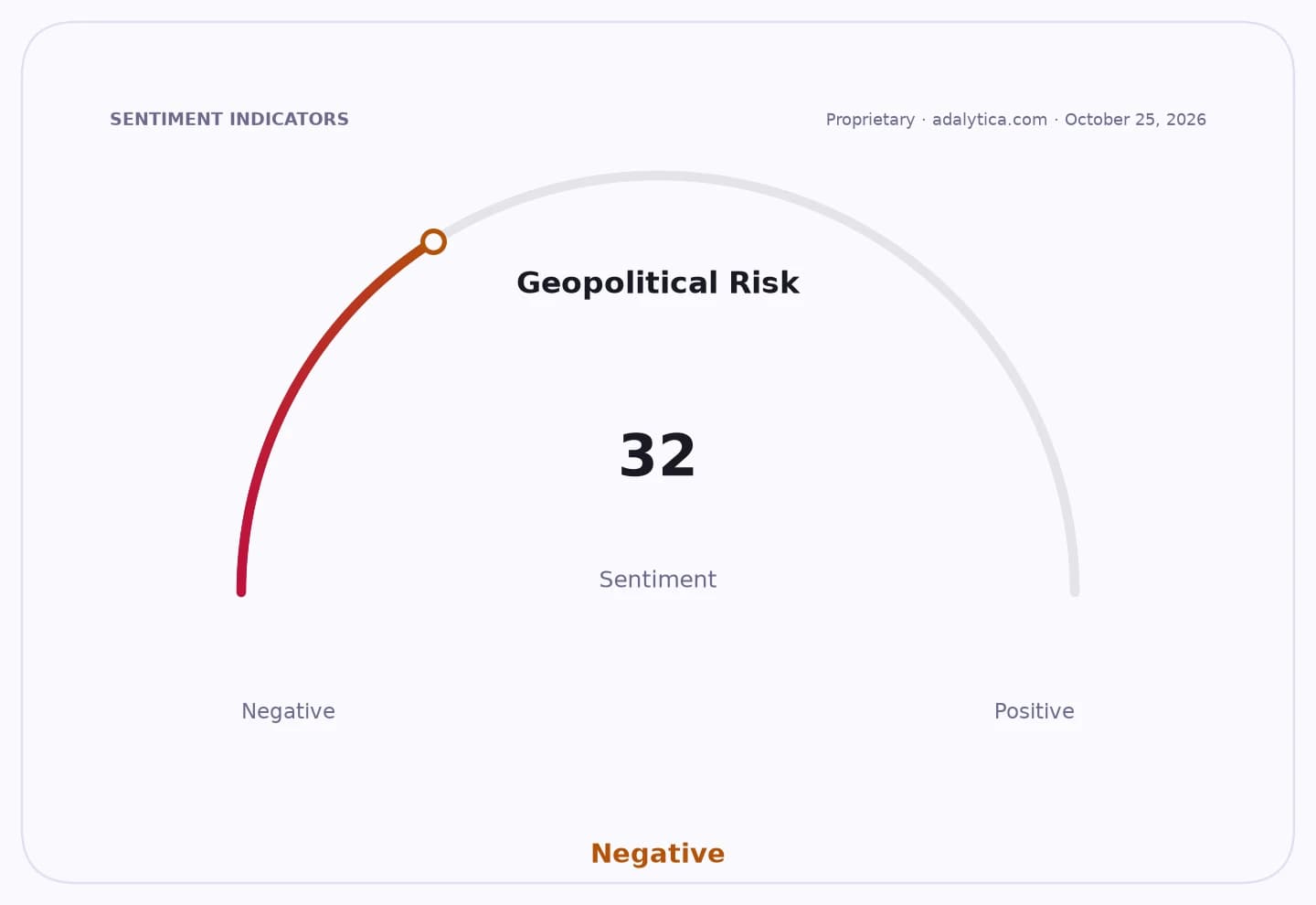
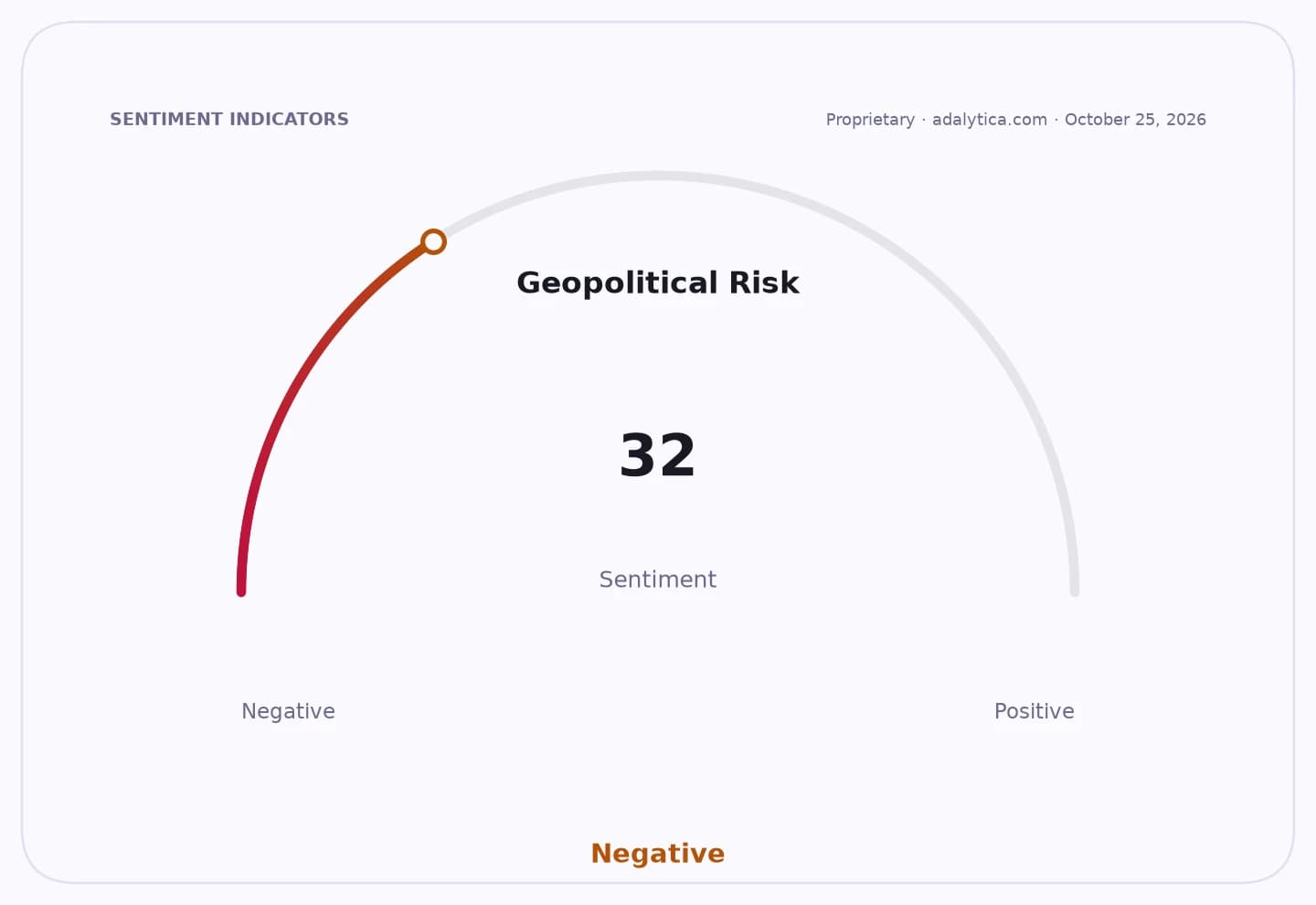
Sentiment IndicatorsⓘProprietary · adalytica.com · October 25, 2026
This is a snapshot — live sentiment, awareness and momentum for 130+ markets update continuously in the dashboard.Open AlphaPulse
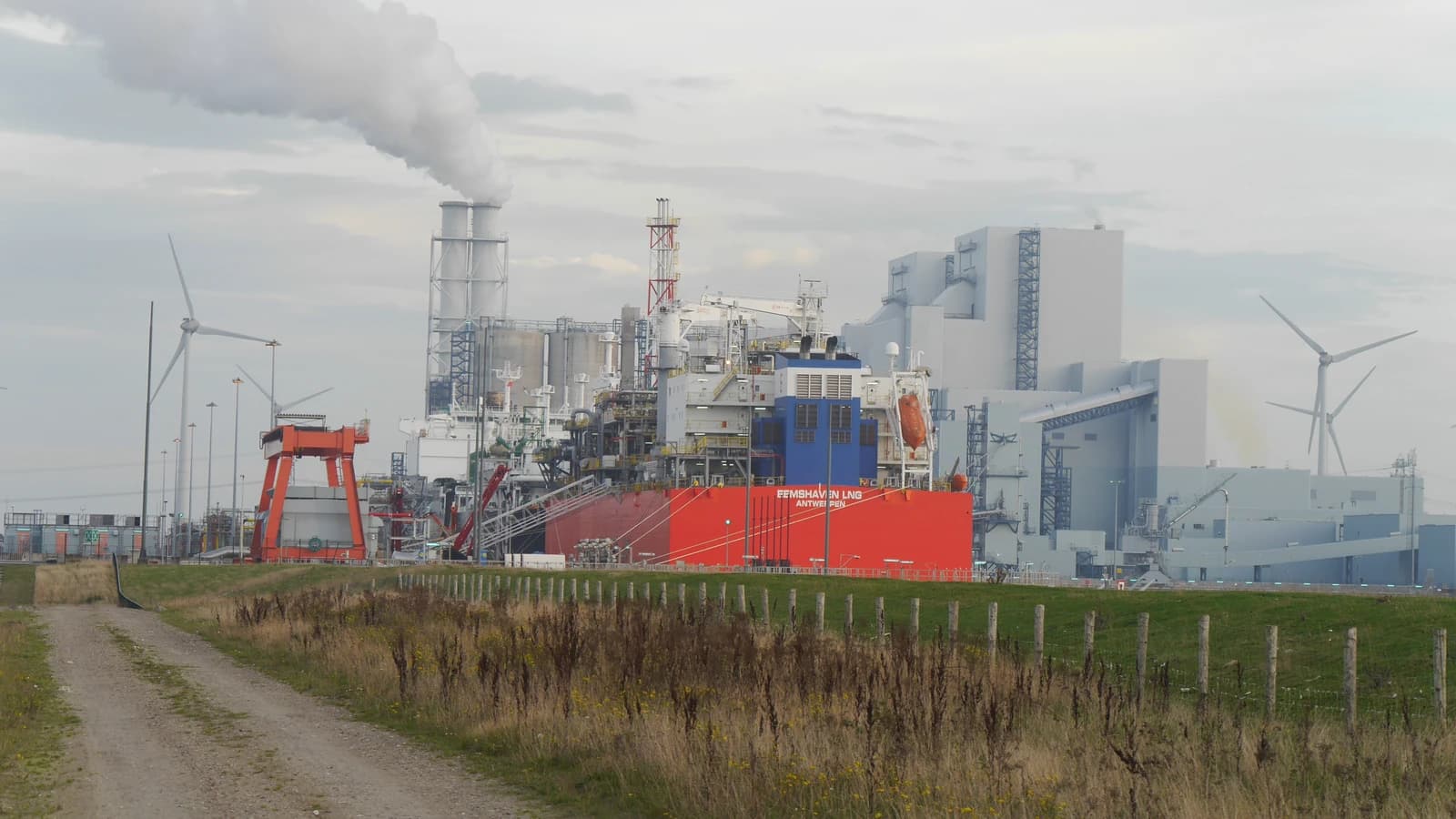
The move matters economically because Europe is heading into the heating season with storage below last year’s level, leaving the region more exposed to any interruption in LNG cargoes. Gas Infrastructure Europe data show EU storage at 74.58% full, down from 85% a year earlier. That gap means buyers may have to pay up to secure cargoes, while utilities and industrial users face the risk of higher input costs if the rally persists.
The Strait of Hormuz is the key pressure point. The route remains critical for LNG shipments from Qatar and the United Arab Emirates, and disruptions have reportedly pushed LNG flows to about 80% below pre-war levels. Even where cargoes continue moving, the market is not seeing enough supply to restore balance. With winter demand still ahead, the combination of weaker storage and constrained imports is keeping the European gas curve elevated.
For investors, the price spike reinforces the case for continued volatility in energy-linked assets and for sensitivity across European utilities, power markets and energy-intensive industries. Companies with locked-in supply or downstream pricing power may be better insulated, while heavy users of gas and electricity could face margin pressure if spot prices stay high. The move also supports a constructive backdrop for gas producers and LNG exporters with reliable export capacity, but it raises the risk of demand destruction if prices remain elevated for long enough.
The broader narrative is that Europe’s gas market is once again being shaped less by domestic weather alone than by geopolitics and infrastructure fragility. The region avoided the worst of the 2022 supply shock by cutting demand and diversifying imports, but the latest rally shows how quickly that buffer can erode when shipping lanes tighten and storage remains below average. The next catalyst is whether Middle East disruptions ease fast enough to allow Europe to refill inventories before winter demand peaks.
| Entity | Gains | Losses |
|---|---|---|
| LNG exporters with secure shipping routes | ▲Higher export prices | ▼Lower shipment reliability |
| European utilities with hedged supply | ▲Relative margin protection | ▼Spot market exposure |
| Energy-intensive industries in Europe | ▲None | ▼Higher fuel and power costs |
| Long gas positions / bulls | ▲Price momentum | ▼Risk of sharp reversal if tensions ease |