European natural gas prices have surged above 90 euros per megawatt hour for the first time since December 2022, underscoring how tight LNG supplies and winter inventory needs are pushing the region back into an energy shock that could ripple through inflation, utility costs and industrial margins.
European natural gas prices top 90 euros
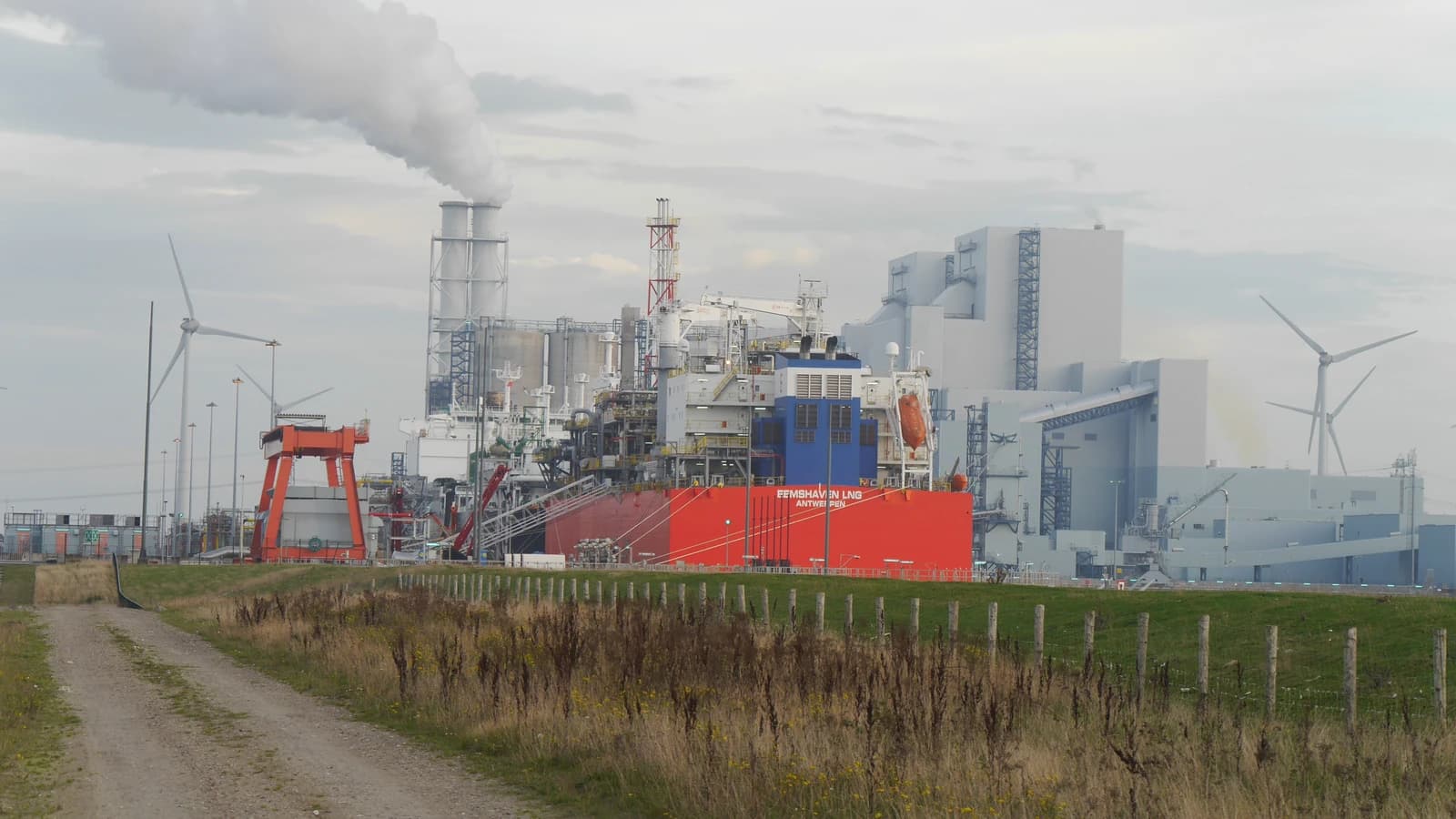
The benchmark hit 90.111 euros per megawatt hour on Tuesday afternoon, according to tradingeconomics.com, as limited liquefied natural gas cargoes from the Persian Gulf complicated efforts by the European Union and major Asian economies to refill storage before winter.
That matters economically because gas remains the marginal fuel for power generation, heating and much of heavy industry in Europe. Higher prices lift electricity costs, pressure consumer energy bills and raise the risk that policymakers face another round of inflationary fallout just as households and manufacturers head into the colder months.
For investors, the move sharpens the split between energy winners and energy losers. LNG exporters and infrastructure operators stand to benefit from tighter global balances, while import-dependent utilities, chemical producers and energy-intensive manufacturers face higher input costs and potentially weaker earnings. Shares in U.S.-listed natural gas vehicles have reflected the squeeze: the United States Natural Gas Fund, UNG, has recently turned more volatile, while Cheniere Energy, LNG, has risen to $298.67 in the latest trading data, near the top of its recent range.
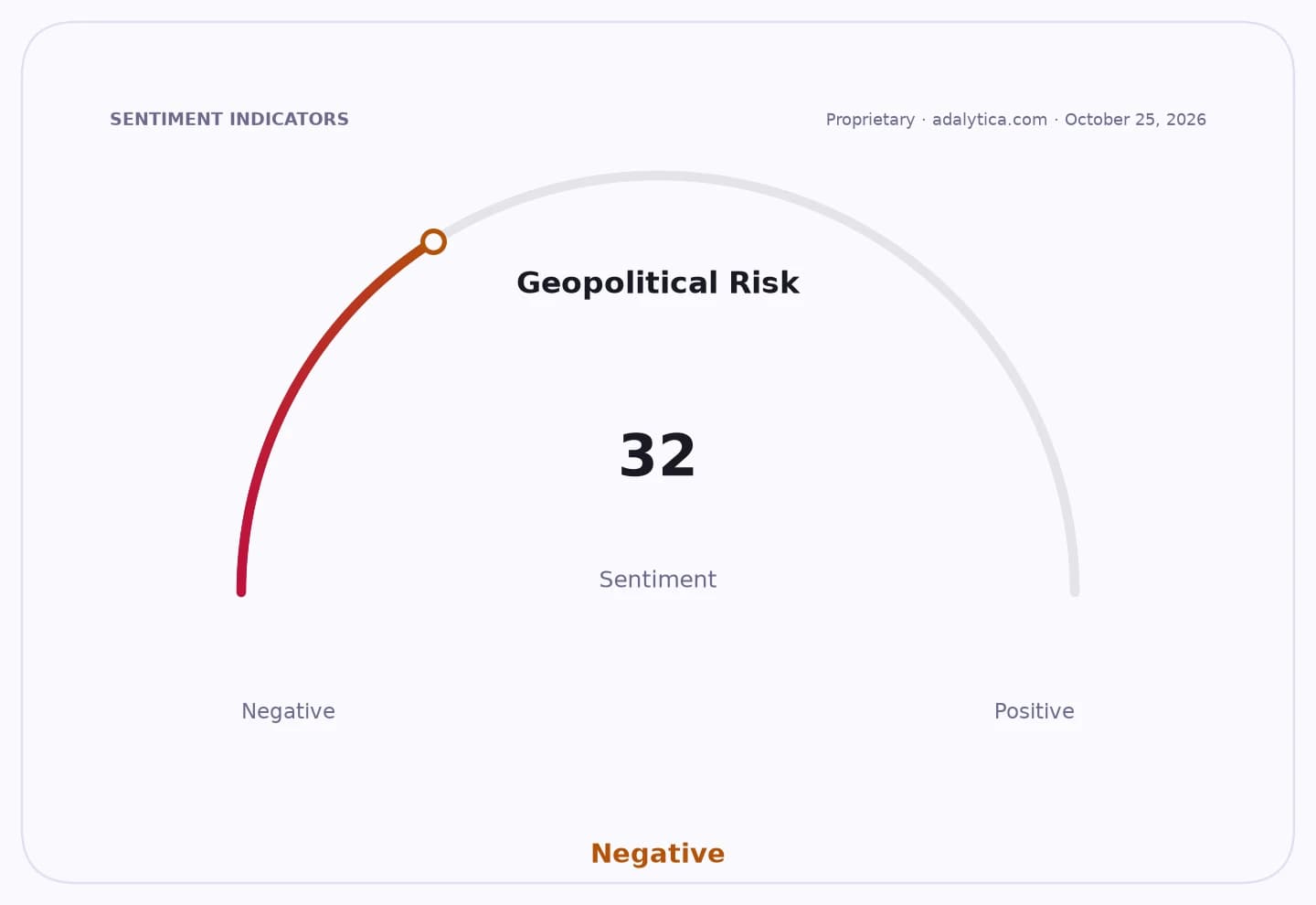
The price spike also highlights the geopolitical fragility of global gas flows. Europe is still competing with Asia for cargoes, and any disruption in Middle East supply, shipping lanes or export capacity can quickly spill into benchmark pricing.
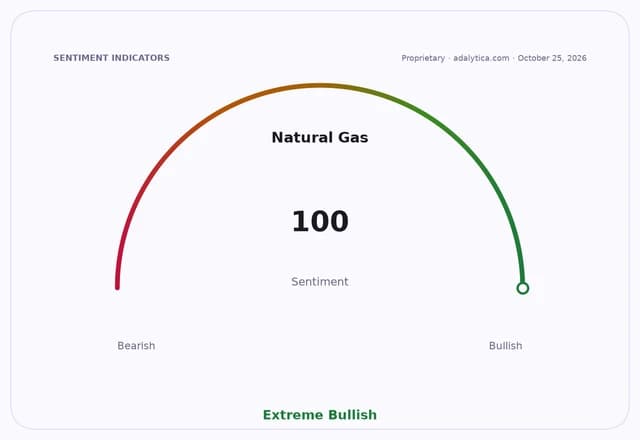
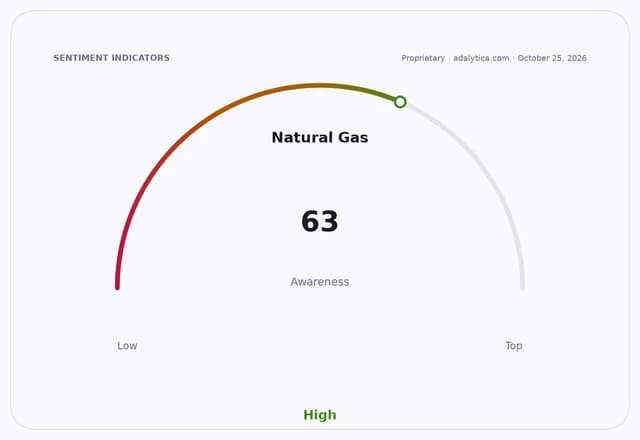
Adalytica’s Natural Gas Market Trade Signals show sentiment at 100, labeled “Extreme Greed,” with the 30-day change at 69%, reinforcing how aggressively the market has repriced the winter outlook. Traders will now be watching for any sign of additional supply from the Persian Gulf, weather shifts and European storage data to see whether the rally extends beyond a short-lived squeeze.
| Entity | Gains | Losses |
|---|---|---|
| LNG exporters | ▲Higher selling prices | ▼Demand destruction risk |
| European utilities | ▲— | ▼Higher input costs |
| Industrial users | ▲— | ▼Margin pressure |
| Consumers | ▲— | ▼Larger energy bills |