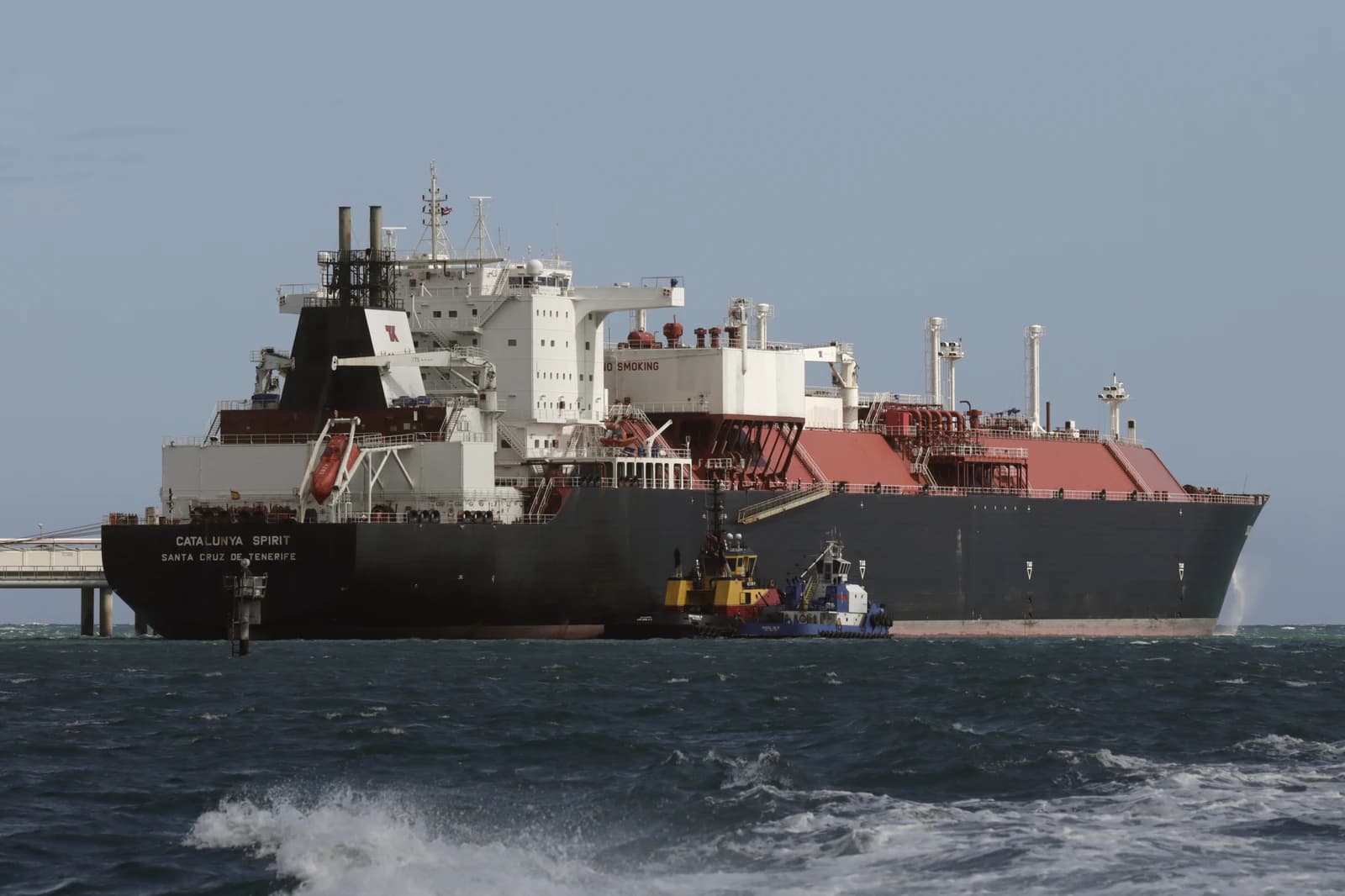
Asia’s spot liquefied natural gas prices have surged to their highest level in nearly four years as attacks on ships near the Strait of Hormuz and a scramble between Europe and Asia for cargoes tighten an already fragile market ahead of winter.
Asia LNG Prices Hit Nearly Four-Year High
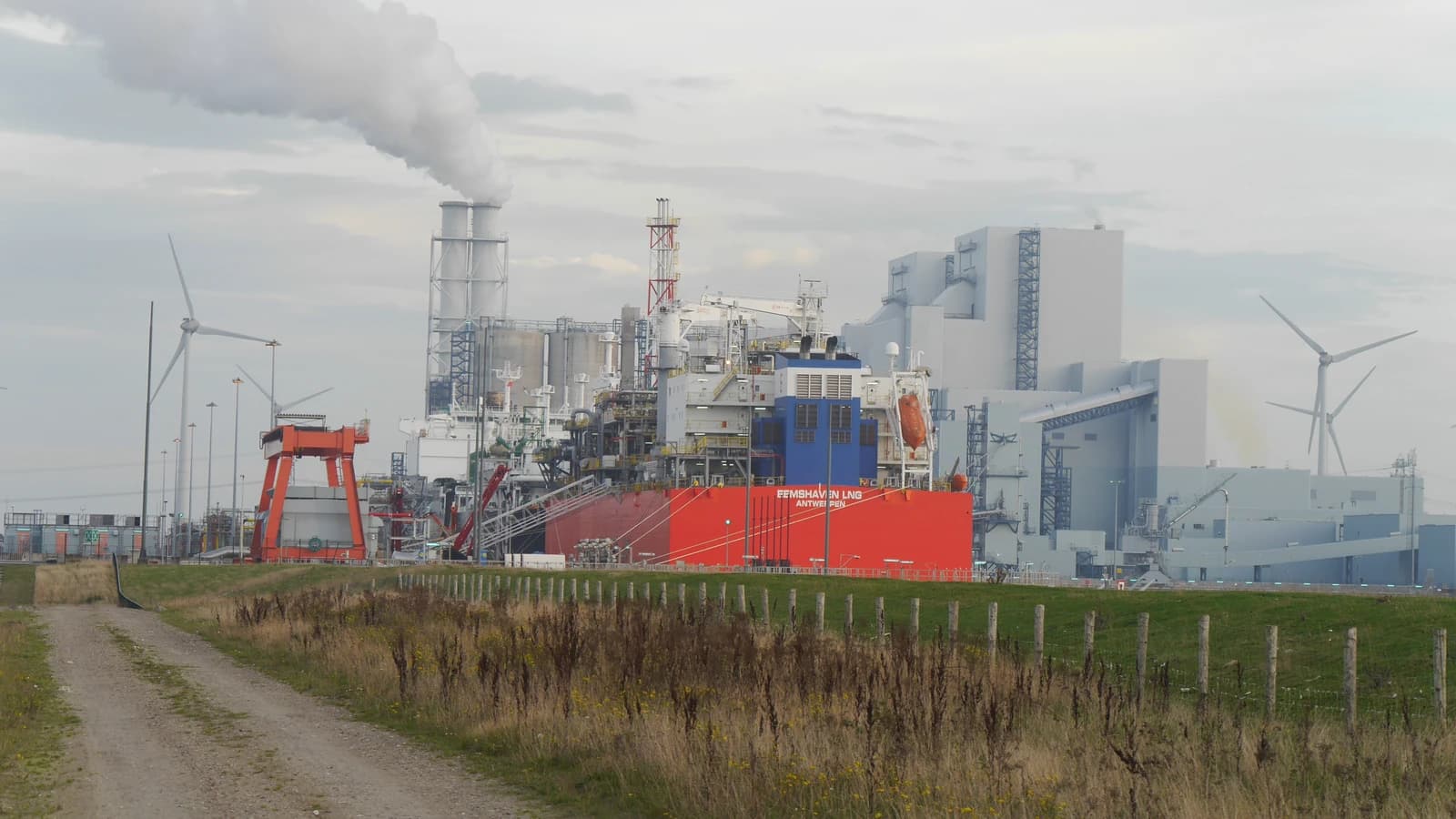
The average price for LNG delivered in December to northeast Asia rose to $29.30 per million British thermal units, up from about $26.50 a week earlier, according to industry tracker and market reports. The rally reflects not just near-term shipping risk, but a broader shortage of flexible supply as buyers compete for available cargoes at a time when the market has little room for disruption.
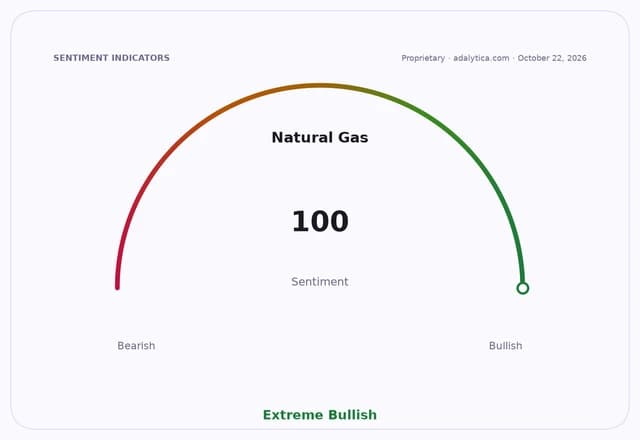
Sentiment IndicatorsⓘProprietary · adalytica.com · October 22, 2026
This is a snapshot — live sentiment, awareness and momentum for 130+ markets update continuously in the dashboard.Open AlphaPulse
That matters economically because LNG has become a key marginal fuel for power generation and industrial demand across Asia, especially in import-dependent markets that rely on seaborne cargoes to bridge domestic shortages. A sustained price spike raises utility costs, feeds into electricity tariffs and can widen current-account pressure for major importers such as Japan, South Korea, India and parts of Southeast Asia. It also threatens to force some buyers into the spot market at punitive prices if winter heating demand accelerates before extra supply arrives.
The price move also underscores how geopolitical risk is increasingly setting the marginal price of energy. Even though traffic through the Strait of Hormuz has picked up and Qatar’s Ras Laffan export facility is loading cargoes, the market remains supported by continued attacks on energy vessels and uncertainty over safe passage through one of the world’s most important shipping lanes. With Europe still competing for LNG after years of reshaped gas flows, Asia is paying up to secure supply.
For investors, the implication is twofold. First, producers and exporters with flexible LNG exposure stand to benefit from stronger spot and contract pricing, while shipping and infrastructure bottlenecks may command a scarcity premium. Second, importers and downstream utilities face margin pressure unless regulated tariffs can be reset quickly enough to absorb higher fuel costs. U.S. LNG names such as Cheniere Energy are already trading in a market where the stock’s technical setup remains constructive, with the shares holding above their 50-day and 200-day moving averages, while broader natural gas sentiment, as tracked by Adalytica.com, has swung to “Extreme Greed.”
The bigger narrative is that winter is arriving into a market with too little spare LNG capacity and too much geopolitical friction. Unless Middle East shipping risks ease or a wave of new supply comes to market faster than expected, Asia’s benchmark LNG prices may stay elevated, keeping pressure on consumers and support under the global gas trade.
| Entity | Gains | Losses |
|---|---|---|
| LNG exporters | ▲Higher spot and contract prices | ▼Greater scrutiny of supply reliability |
| Asian importers | ▲Some security from secured cargoes | ▼Higher fuel and power costs |
| European buyers | ▲Access to global cargo arbitrage | ▼More competition for shipments |
| LNG producers and shippers | ▲Stronger margins and scarcity premiums | ▼Elevated geopolitical and transit risk |