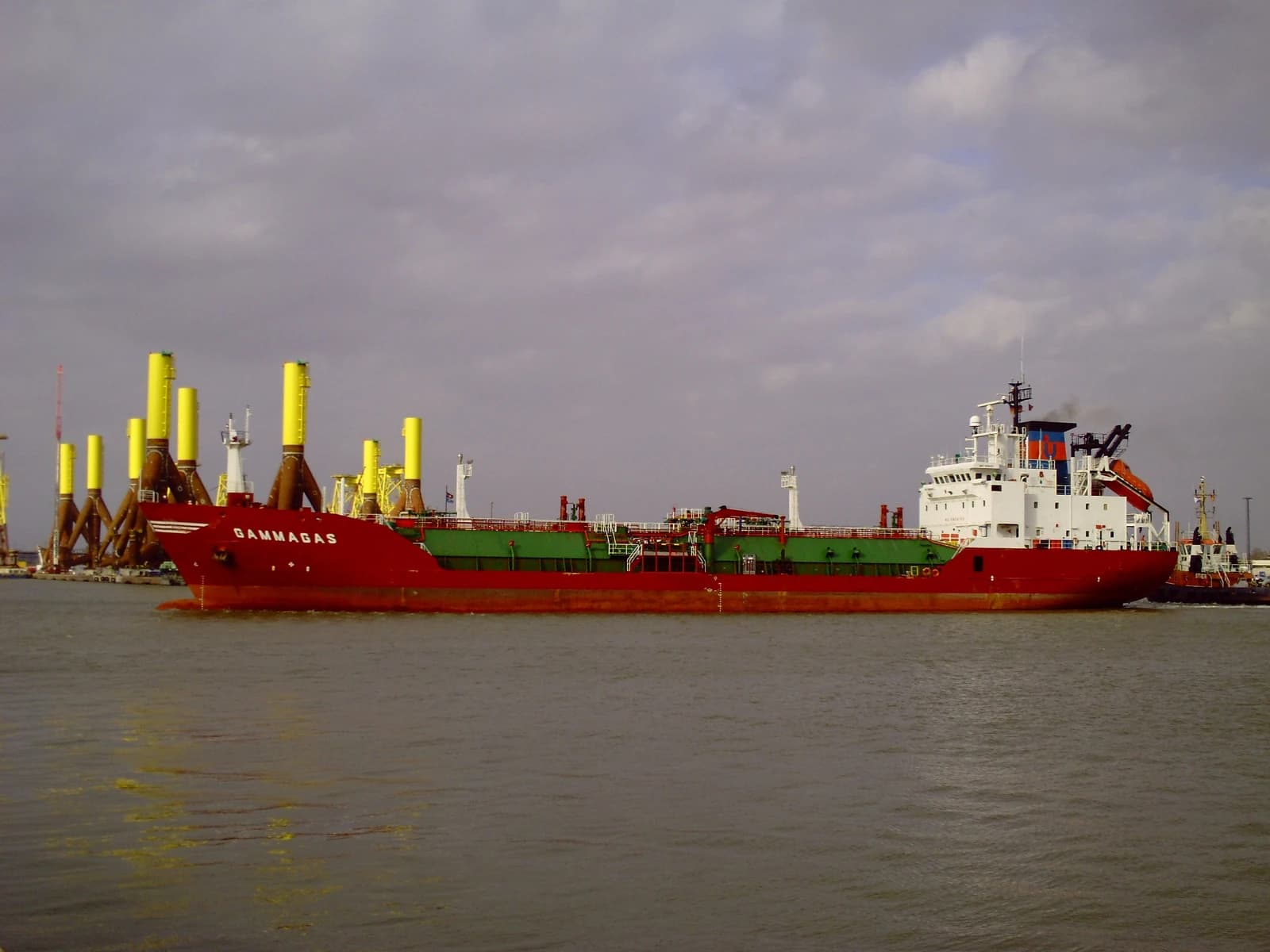
Coal loading in Russia’s Far East rose 4.5% in January-September, underscoring how Asian demand and shifting energy security priorities are keeping one of the region’s key bulk export channels busy even as global coal markets remain volatile.
Russian Far East coal loading rises 4.5%
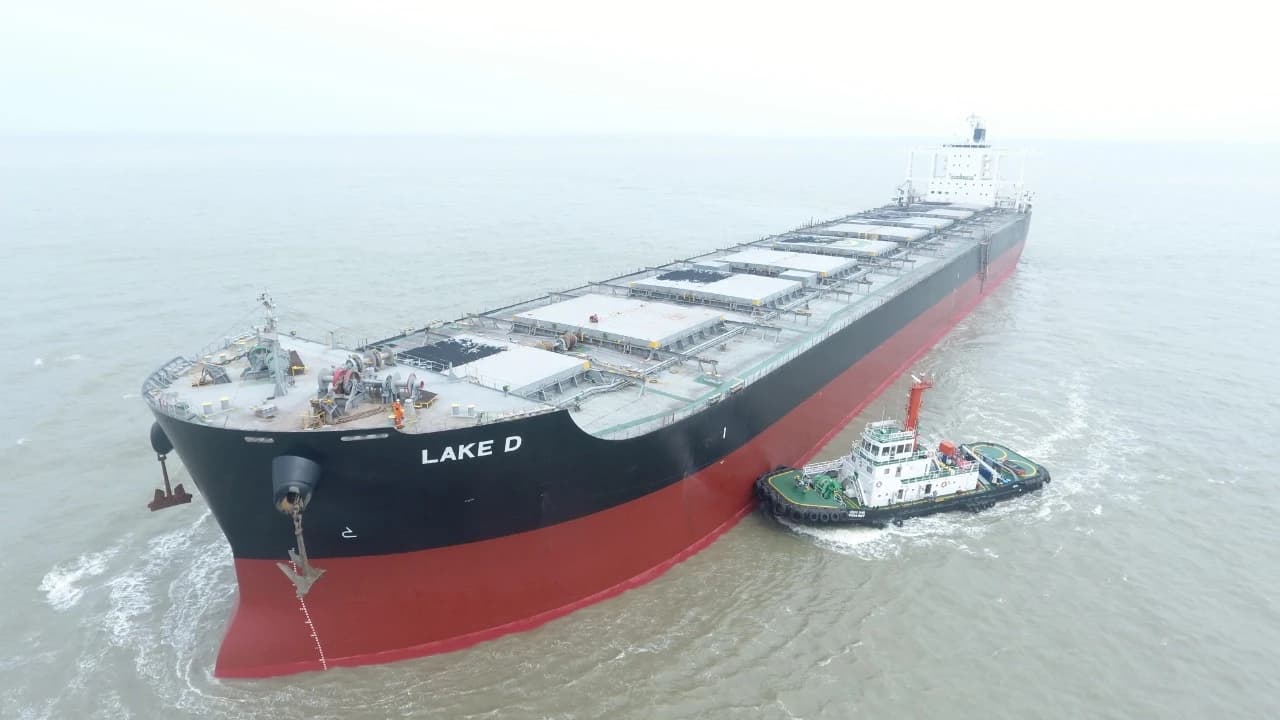
The increase matters because the Far East route is a critical outlet for Russian coal sales into Asia, particularly China and other regional buyers. Higher loading volumes point to resilient seaborne demand at a time when coal consumption has been supported by tight power markets, geopolitical tension and intermittent disruptions to alternative fuels.
Sentiment IndicatorsⓘProprietary · adalytica.com · October 5, 2026
This is a snapshot — live sentiment, awareness and momentum for 130+ markets update continuously in the dashboard.Open AlphaPulse
That demand backdrop is helping offset a softer price environment in some parts of the market. Coal sentiment remains cautious, but the broader energy complex has been under pressure from swings in oil and gas prices, while supply concerns, monsoon disruptions and high electricity demand continue to support thermal coal flows in Asia.
For producers and shippers, the rise in Far East loading suggests export infrastructure is still running at healthy utilization, with the logistics pipeline absorbing higher volumes. That can support freight demand, port throughput and cash generation for miners with access to Pacific export terminals, even as margins vary sharply by coal grade and contract terms.
The move also fits a wider pattern of coal regaining relevance in Asia as governments prioritize supply security over emissions goals in the short term. Forecasts cited in the market point to strong fourth-quarter consumption, while regional power systems continue to lean on coal when gas is expensive or unavailable.
Investors will watch whether the January-September gain carries into year-end and whether higher volumes translate into firmer pricing for exporters. The next read-through will come from fourth-quarter trade data, winter power demand and any change in Chinese buying patterns.
| Entity | Gains | Losses |
|---|---|---|
| Russian Far East ports | ▲Higher throughput | ▼Less idle capacity |
| Coal exporters | ▲Stronger shipment volumes | ▼Pricing pressure |
| Asian utilities | ▲Reliable fuel supply | ▼Emissions headwinds |
| Natural gas sellers | ▲Weaker coal substitution | ▼Lower switching demand |