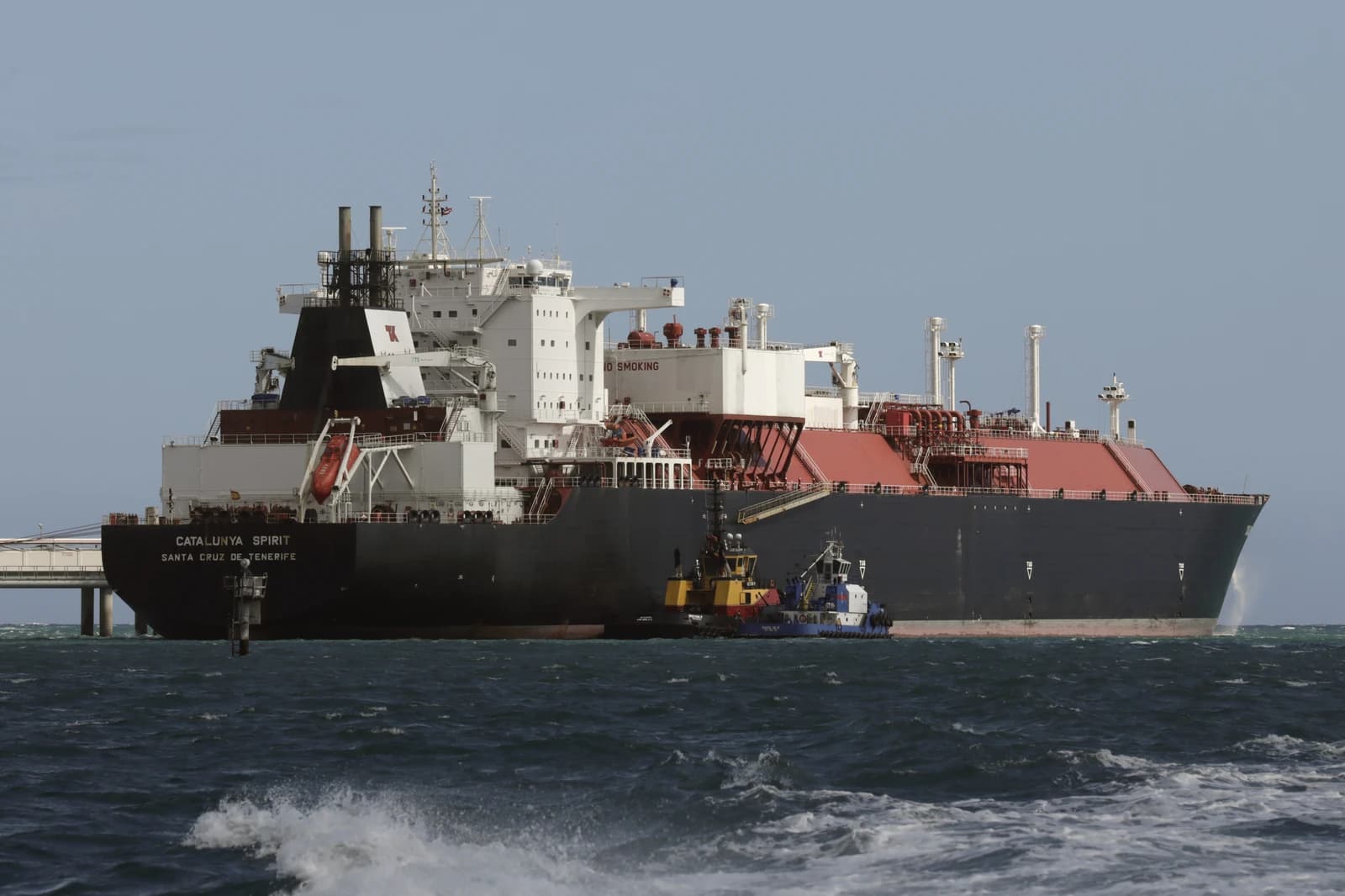
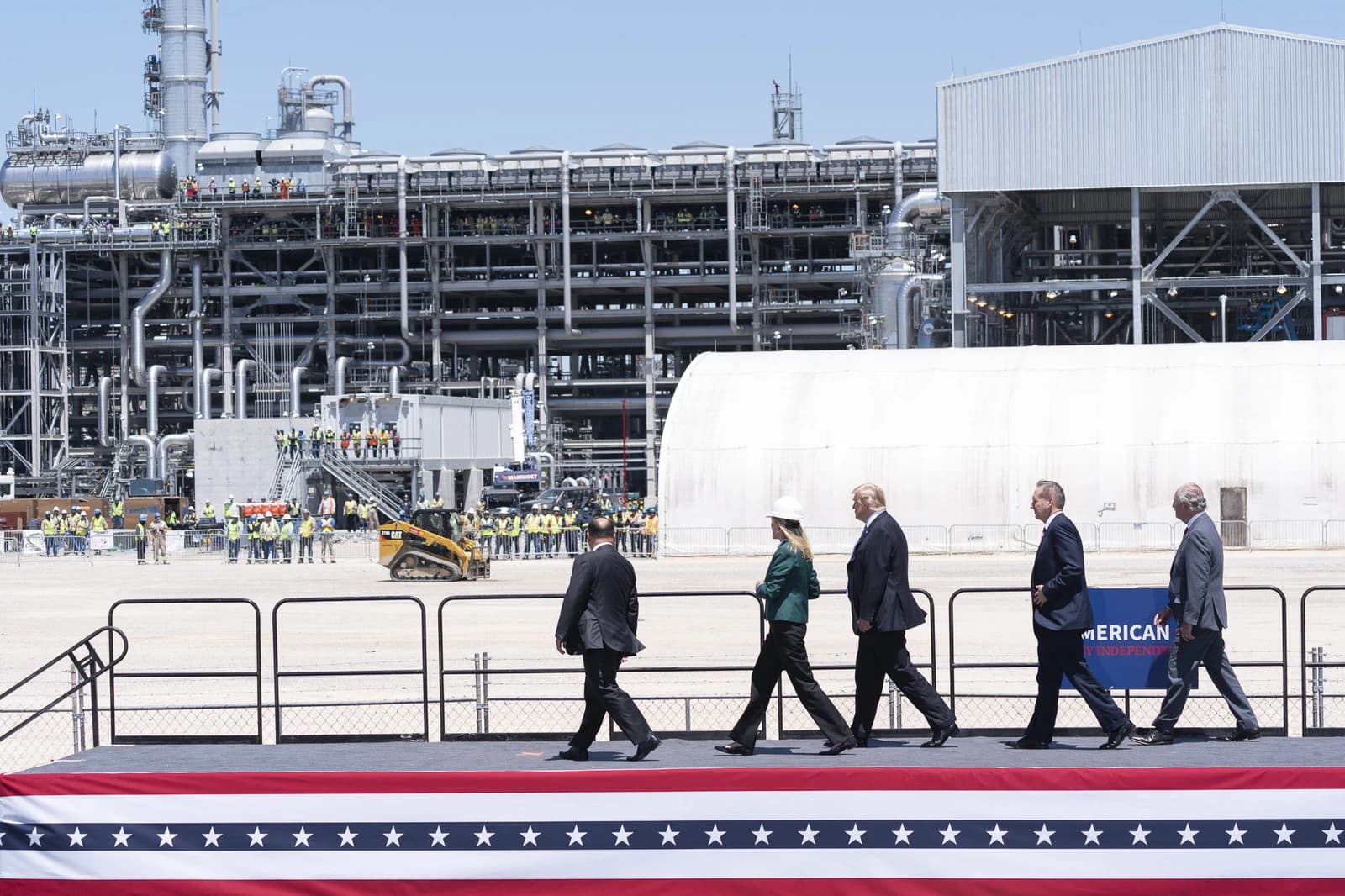
Oman has overtaken the US as India’s biggest liquefied natural gas supplier, a reminder that geopolitics is now doing what prices alone could not: redrawing global energy trade flows.
India LNG imports shift to Oman from US
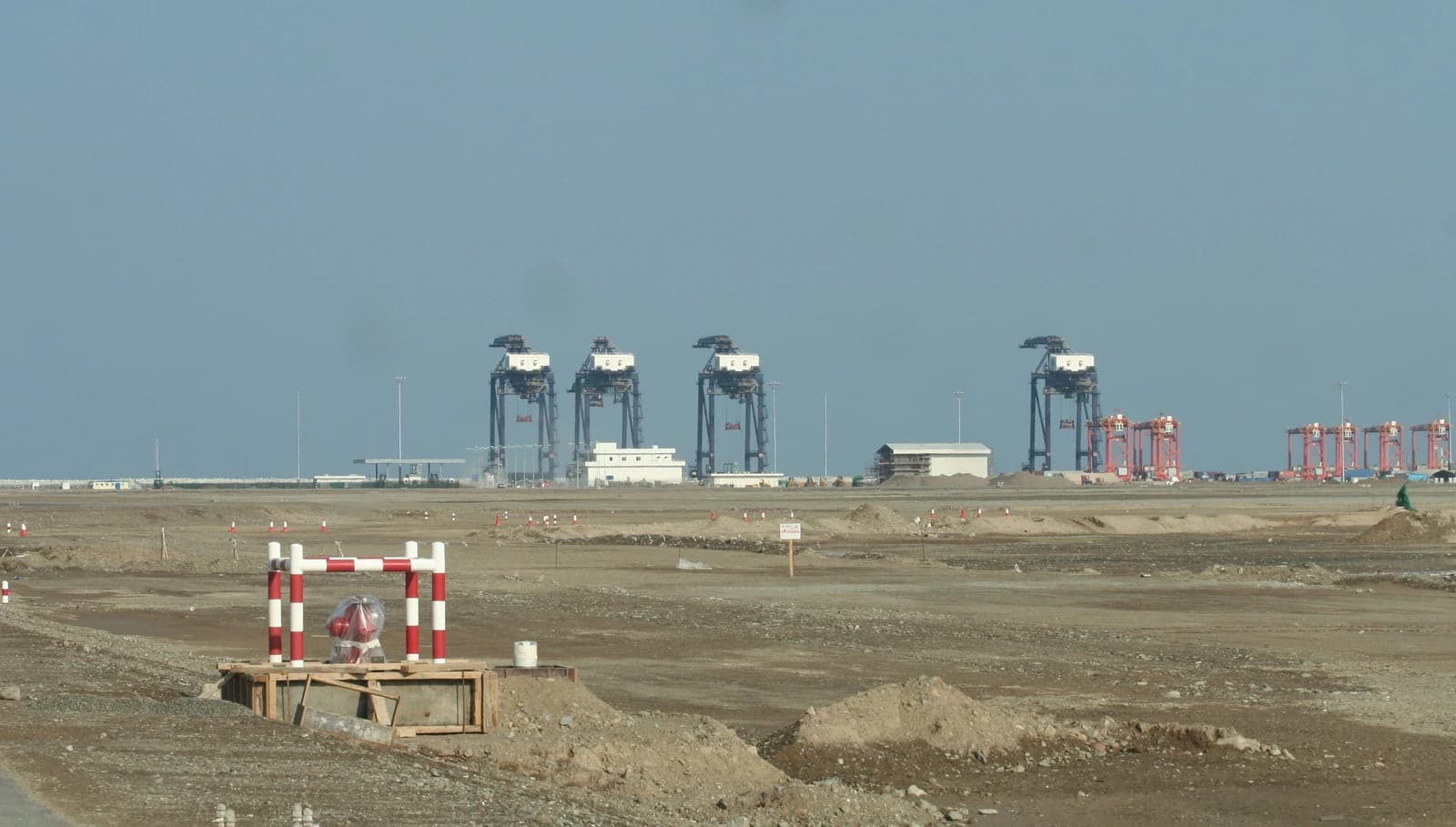
For investors, that matters because LNG is no longer just a commodity story. It is becoming a resilience story. When shipping lanes in the Strait of Hormuz are disrupted, cargoes are rerouted, buyers scramble, and the winners are the suppliers with the most secure logistics. In September, India imported about 590,000 tons of LNG from Oman versus 340,000 tons from the US, according to Kpler, even as overall LNG purchases rose 7% from a year earlier.
Sentiment IndicatorsⓘProprietary · adalytica.com · October 17, 2026
This is a snapshot — live sentiment, awareness and momentum for 130+ markets update continuously in the dashboard.Open AlphaPulse
That shift says a lot about how energy security is changing demand patterns in one of the world’s fastest-growing gas markets. India relies on imports for about half its natural gas needs, and gas consumption is tied to fertilizer output, household cooking, power generation and industry. If supply lines become less reliable, buyers are likely to pay up for flexibility and route security rather than simply chase the lowest-priced cargo.
The problem for India is that some of its traditional suppliers are exposed to the Strait of Hormuz, where shipping has been badly disrupted since the conflict between the US, Israel and Iran escalated. Oman’s LNG exports do not pass through the strait, which makes the sultanate an increasingly valuable partner. Qatar, once India’s biggest supplier, saw September shipments plunge nearly 90% from a year earlier after attacks on its Ras Laffan energy complex and continuing shipping restrictions.
The US did not lose India because its LNG suddenly became less useful. It lost ground because Europe was bidding more aggressively ahead of winter, pulling cargoes away from Asia. More than half of US LNG exports went to Europe in September, Reuters reported, highlighting how one market’s security concerns can squeeze another’s access to supply. Over the May-to-September period, though, the US remained India’s top supplier, showing this is still a fluid trade, not a permanent rerouting.
For investors, that creates a clear set of implications. LNG exporters with global shipping optionality and diverse end markets remain well placed, while producers tied to vulnerable transit corridors face more operational risk. US exporters such as Cheniere Energy, and diversified majors like Shell, stand to benefit when Europe and Asia compete for cargoes. Shell’s stock has also been trading above both its 50-day and 200-day moving averages, a sign that the market has continued to reward integrated energy cash flow even as the sector navigates volatile gas flows.
The bigger picture is that LNG demand is proving resilient even in a messy geopolitical environment. India’s purchases over the May-to-September period rose nearly 18% from a year earlier, and Kpler expects demand to stay firm through the end of 2026 as city-gas use grows and domestic production declines. That is exactly the kind of long-duration demand trend investors like: structural, not cyclical.
So while September’s supplier ranking change may look temporary on the surface, it reinforces a more durable theme. In LNG, reliability is becoming as valuable as price, and that should keep capital flowing toward exporters, infrastructure operators and shipping networks that can deliver molecules through a more fragmented world. For long-term investors, this is a story worth watching — and one that still favors owning the best-positioned LNG names over trying to time every geopolitical swing.
| Entity | Gains | Losses |
|---|---|---|
| Oman LNG exporters | ▲Higher India demand | ▼ |
| US LNG exporters | ▲Europe demand backdrop | ▼India market share in September |
| Qatar | ▲ | ▼Lost India supply share |
| India | ▲More diversified supply options | ▼Higher supply-chain risk |
| LNG infrastructure/shipping firms | ▲More rerouted cargoes | ▼Transit bottlenecks |