An LNG-loaded tanker overturned in Istanbul’s Bakırköy district, injuring the driver and forcing authorities to shut a major road, a reminder that even localized transport accidents can disrupt energy logistics and heighten safety risks around a fuel critical to global supply.
Istanbul LNG tanker overturns, road shut
The incident on Florya Yeni Havaalanı Caddesi left emergency crews securing the area because the tanker was carrying LNG, or liquefied natural gas, a cargo that requires strict handling and containment. While the immediate impact was limited to a single vehicle and one injured driver, the event underscores how transportation mishaps can quickly become public safety and infrastructure issues when they involve volatile energy cargoes.
Sentiment IndicatorsⓘProprietary · adalytica.com · October 20, 2026
This is a snapshot — live sentiment, awareness and momentum for 130+ markets update continuously in the dashboard.Open AlphaPulse
That matters economically because LNG sits at the center of a tight global gas market. Reuters and Bloomberg have repeatedly tracked how supply chains are being strained by liquefaction bottlenecks, shipping disruptions and geopolitical risk, while producers and traders have leaned on every available route to move cargoes. Even isolated incidents reinforce the premium investors place on safe, uninterrupted transport capacity, especially after a series of maritime security scares in key corridors has kept risk perception elevated.
For investors, the episode is less about immediate price action than about the broader operating environment for LNG exporters, tanker operators and gas shippers. Cheniere Energy, one of the largest U.S. LNG exporters, has already flagged in its filings that tightening global gas and LNG conditions, along with shipping and transit disruptions, can affect market dynamics and trading margins. The same is true for listed shipping names exposed to gas transport, where any rise in insurance, compliance or routing costs can weigh on profitability.
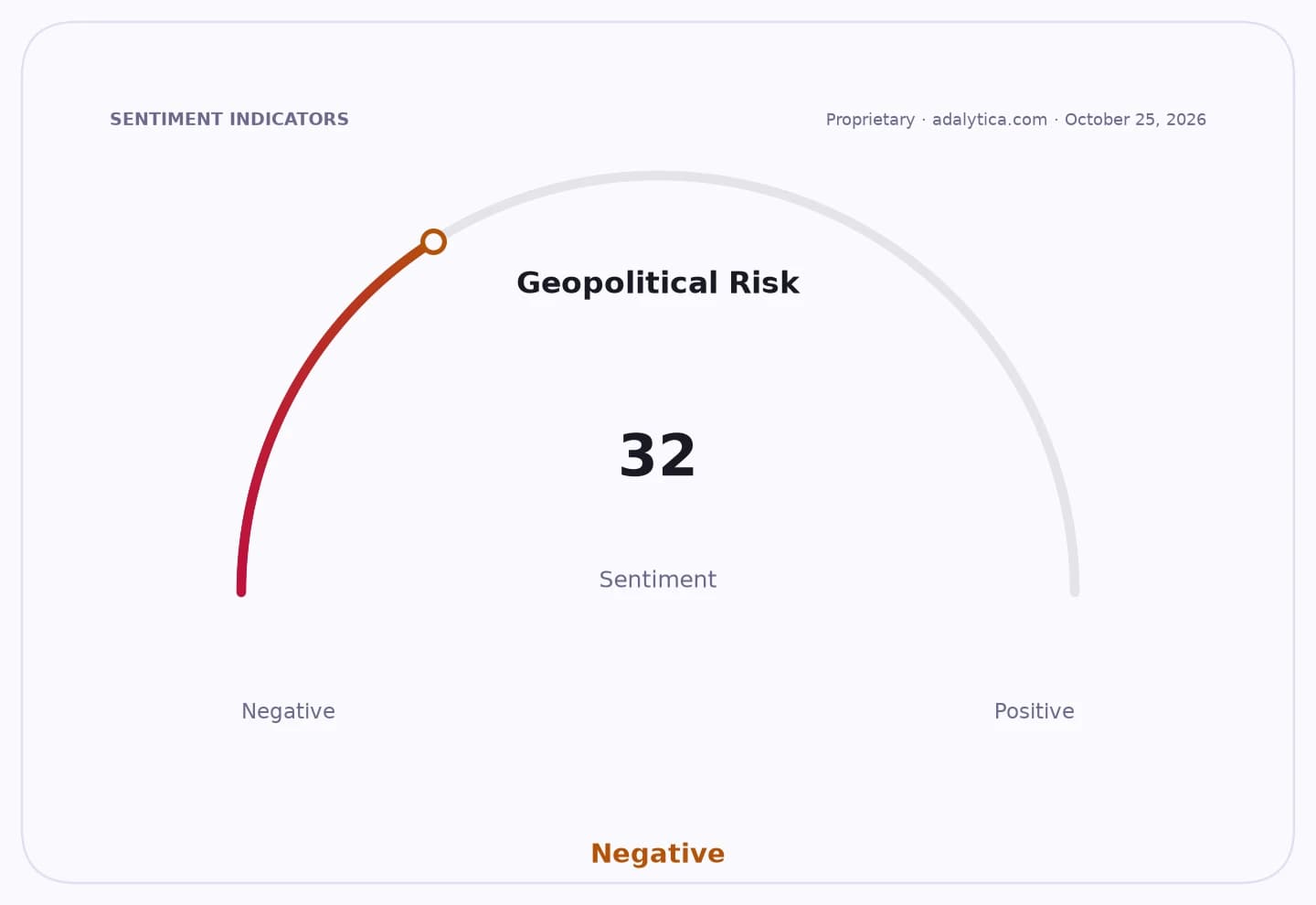
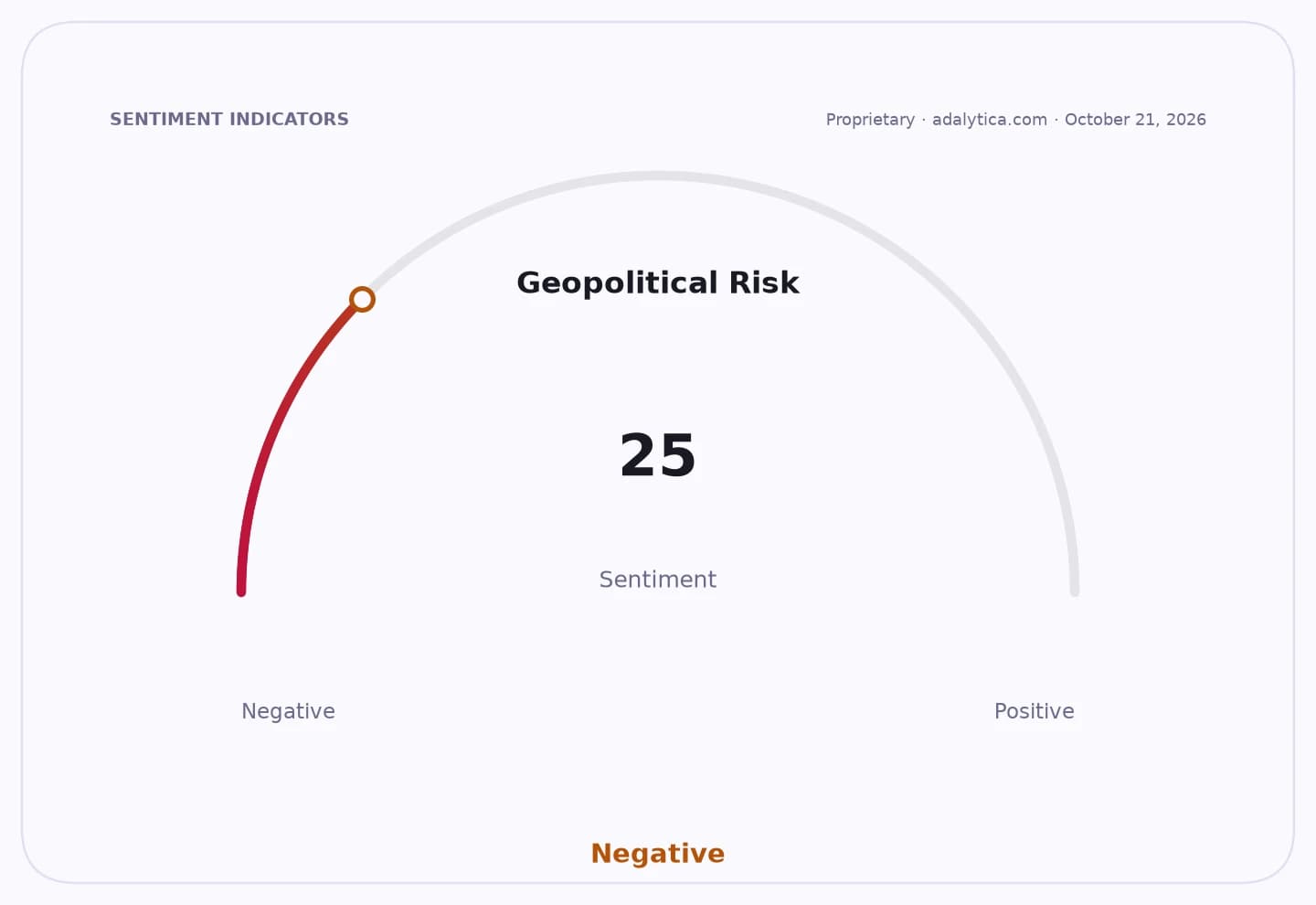
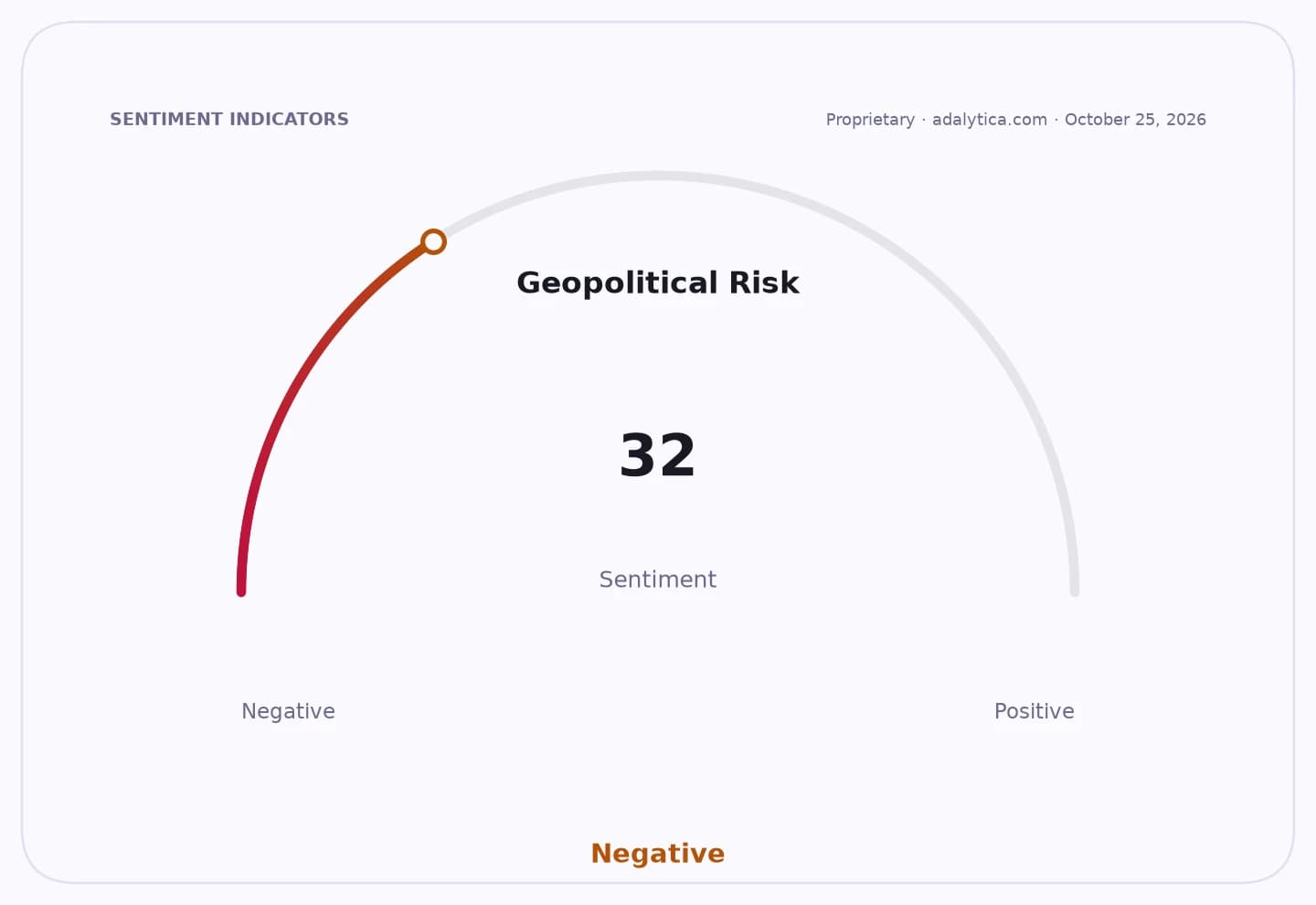
The market backdrop remains supportive for gas-linked assets: Henry Hub futures are still elevated, and Adalytica’s natural gas trade signal sits at “Extreme Greed,” indicating strong market attention to the commodity. At the same time, broader geopolitical risk indicators remain in “Fear,” reflecting the market’s sensitivity to any fresh disruption in energy supply chains, whether in the Mediterranean, the Strait of Hormuz or off Yemen.
The Istanbul accident is not a supply shock on its own, but it adds to a narrative investors cannot ignore: LNG transport is increasingly vulnerable to operational mishaps and geopolitical stress at a time when global gas demand remains firm. The key question now is whether the industry can keep moving cargoes safely and cheaply enough to meet demand without eroding margins through higher risk premiums and logistical friction.
| Entity | Gains | Losses |
|---|---|---|
| LNG safety and emergency services | ▲justify tighter controls | ▼face more operational strain |
| LNG shippers and tanker operators | ▲reinforce safety focus | ▼higher disruption and insurance risk |
| Gas exporters and traders | ▲stronger risk premium narrative | ▼less efficient logistics |
| Consumers and importers | ▲greater scrutiny of supply routes | ▼potential cost pass-through |