An LNG tanker came under attack off Yemen on Friday, reviving fears that even a limited strike in the Gulf of Aden could again disrupt one of the world's most important energy shipping lanes.
LNG tanker attack off Yemen raises shipping risks
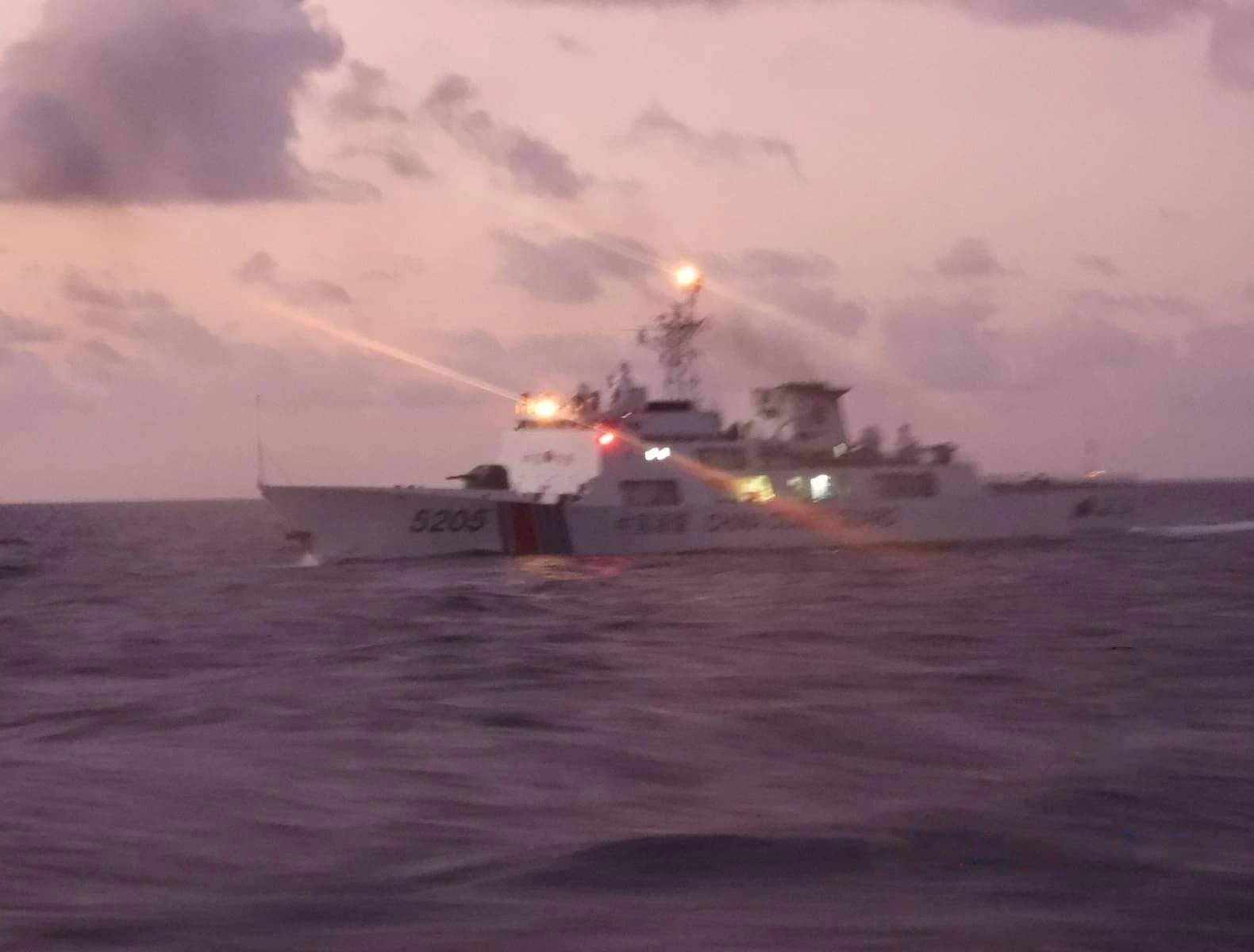
The vessel was about 140 nautical miles southeast of Al Mukalla when a small boat carrying seven people approached and fired two shots, according to a regional source citing the UKMTO maritime warning service. The incident was unusual because it involved a small boat rather than the drones or missiles that have defined much of the Red Sea security crisis.
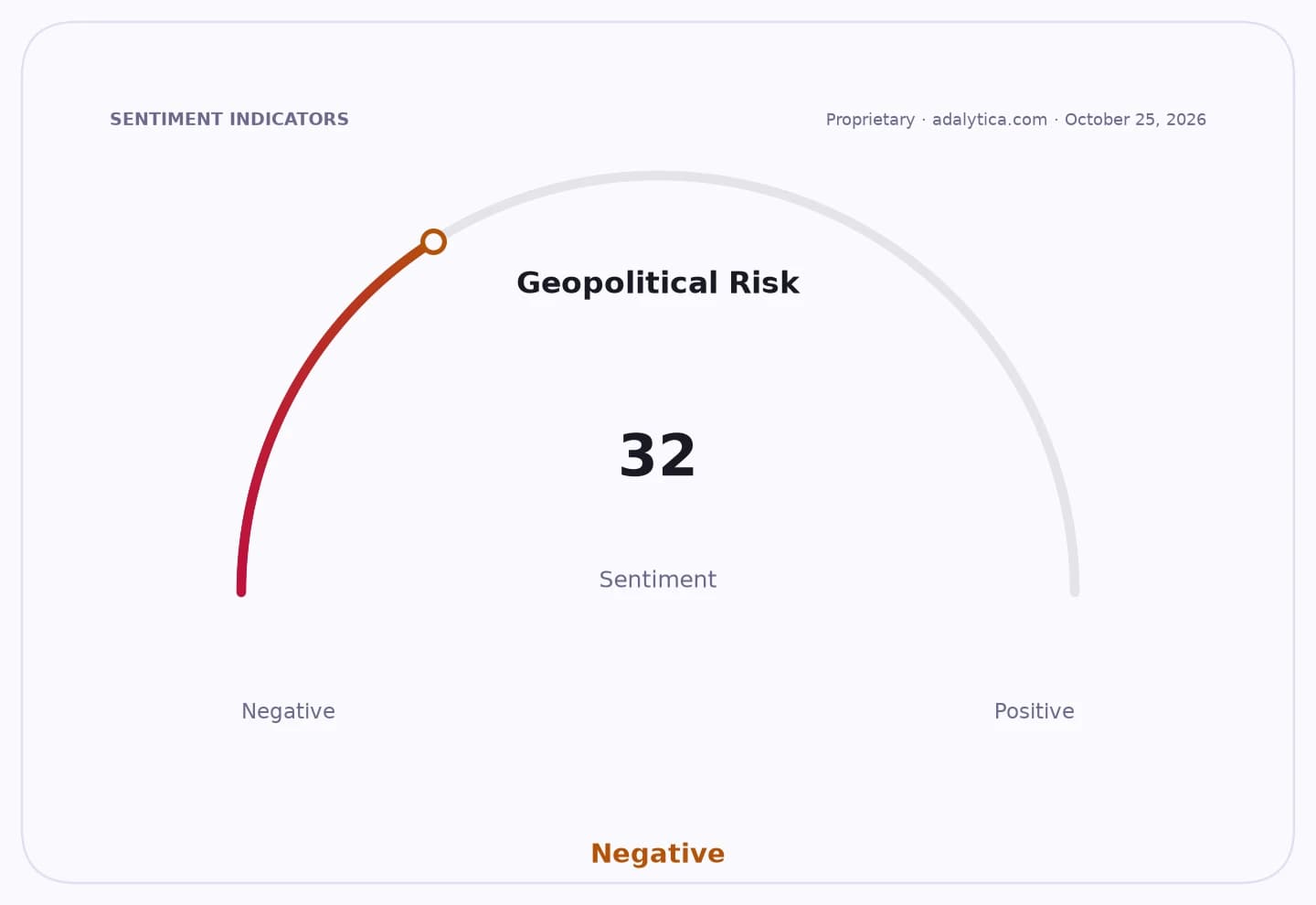
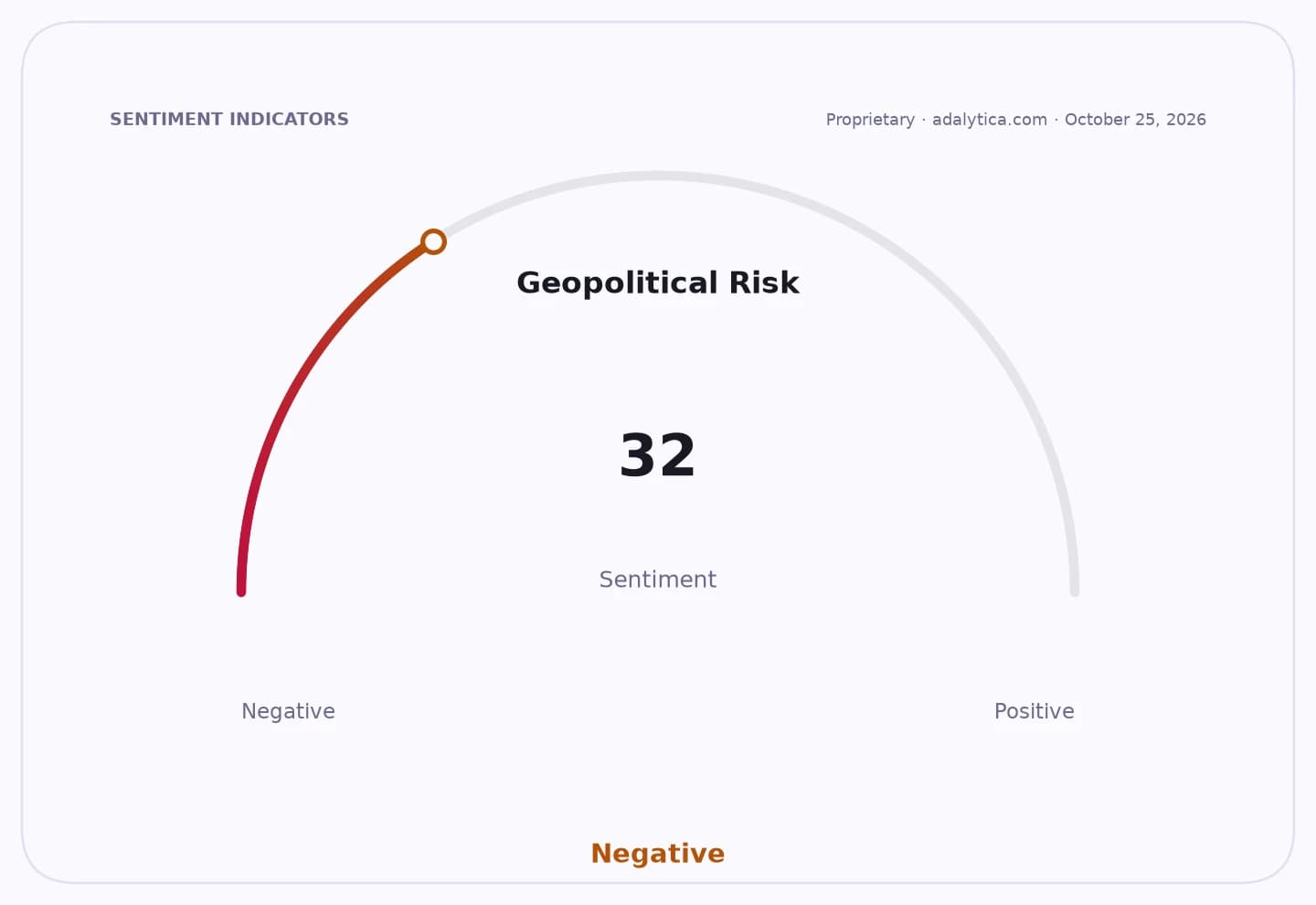
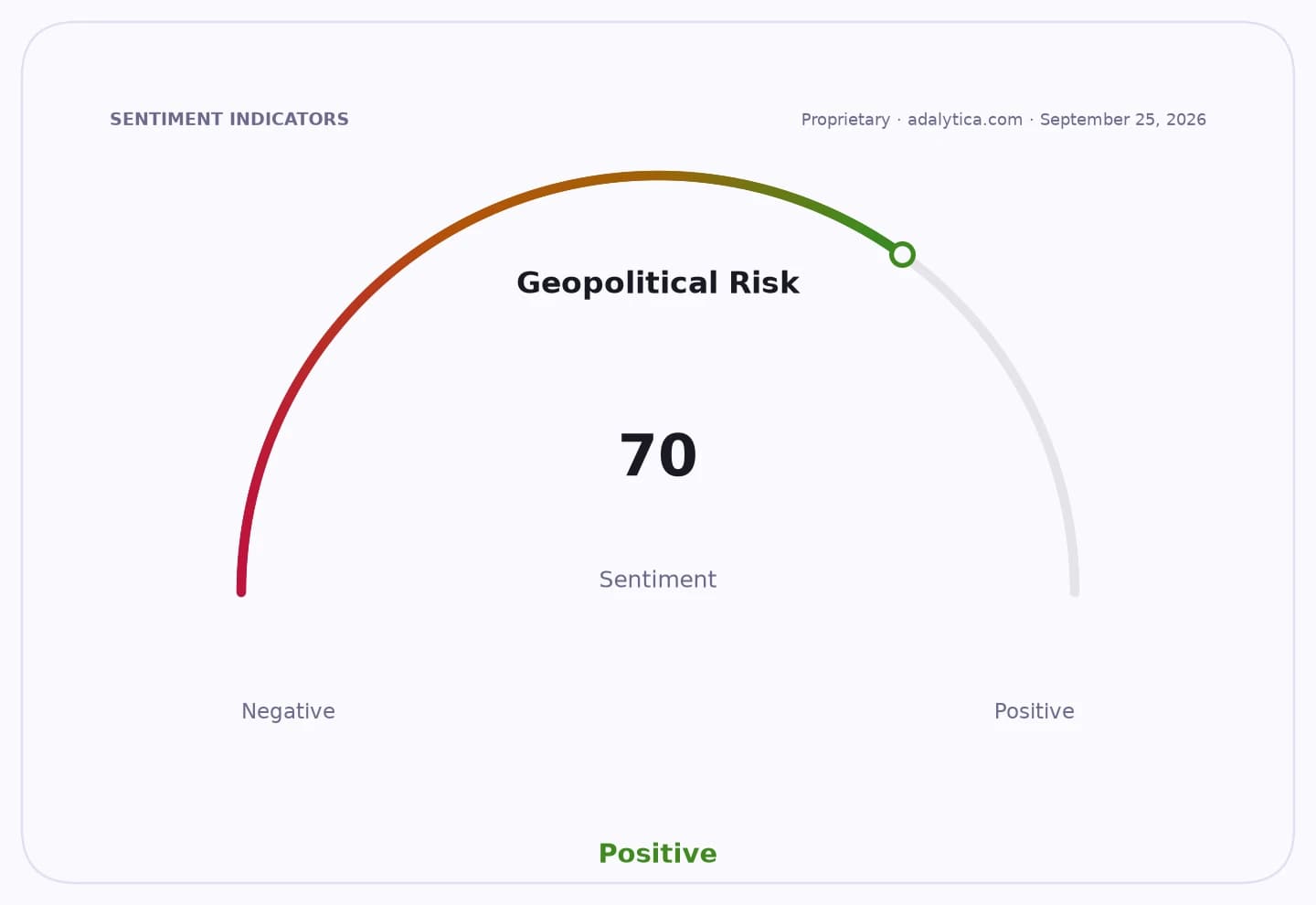
Sentiment IndicatorsⓘProprietary · adalytica.com · October 21, 2026
This is a snapshot — live sentiment, awareness and momentum for 130+ markets update continuously in the dashboard.Open AlphaPulse
Even without major damage, the attack matters because it keeps insurance, freight and rerouting risks elevated for tankers crossing between the Indian Ocean and the Suez-linked trade corridor. LNG cargoes are especially sensitive to transit disruptions because supply chains are tighter than in crude, and any sign that the Bab el-Mandeb route is becoming less secure can add a premium to shipping and prompt operators to delay or divert voyages.
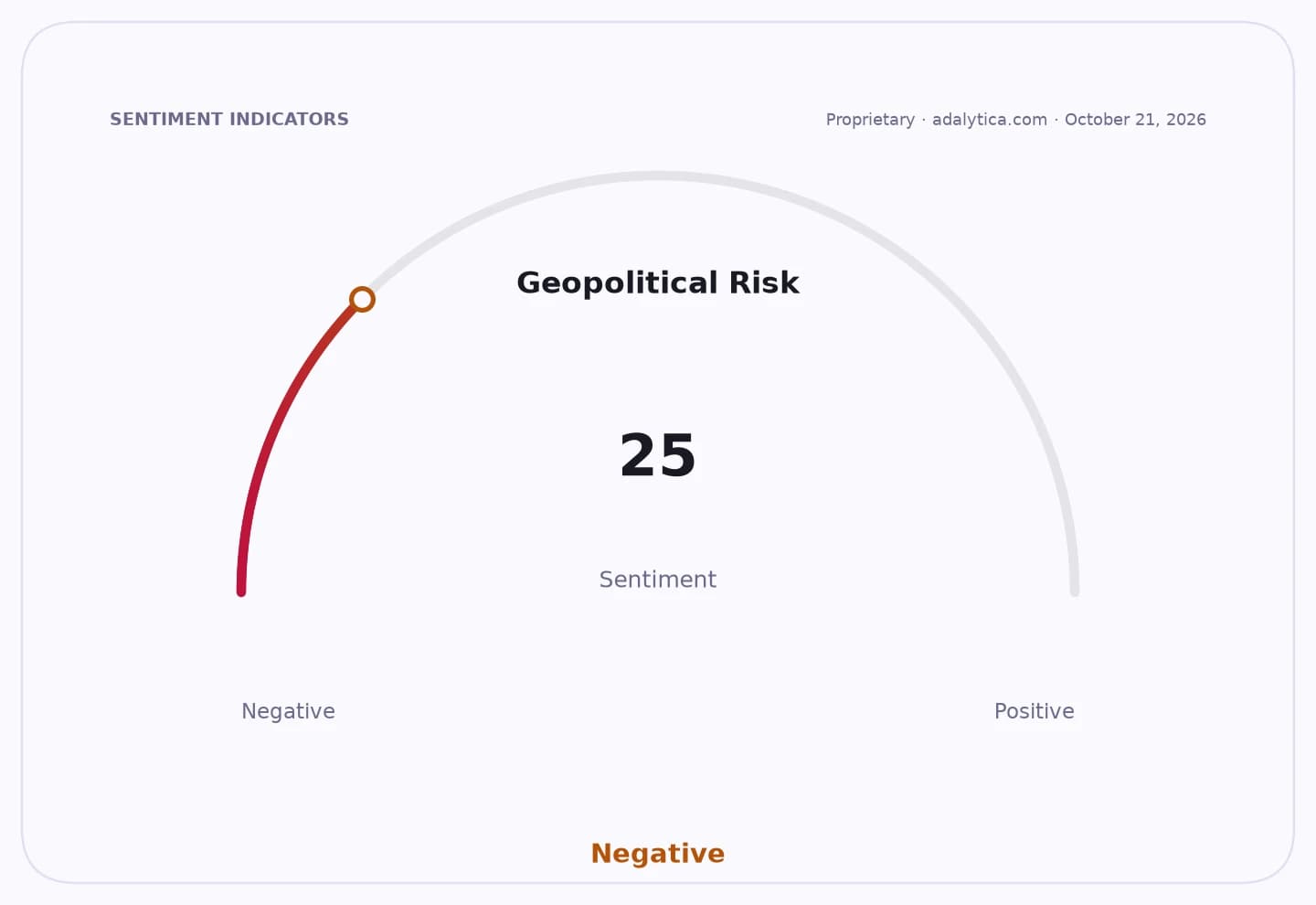
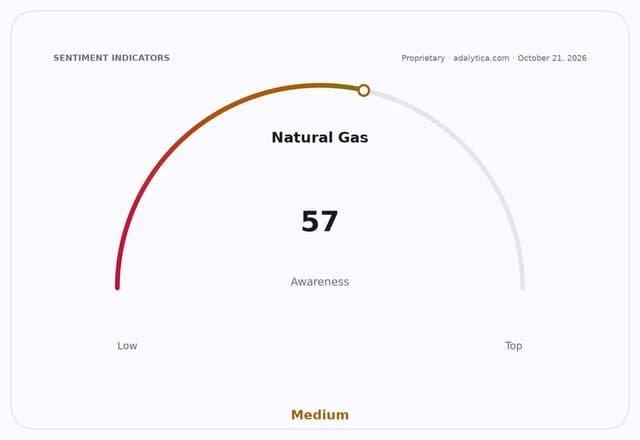
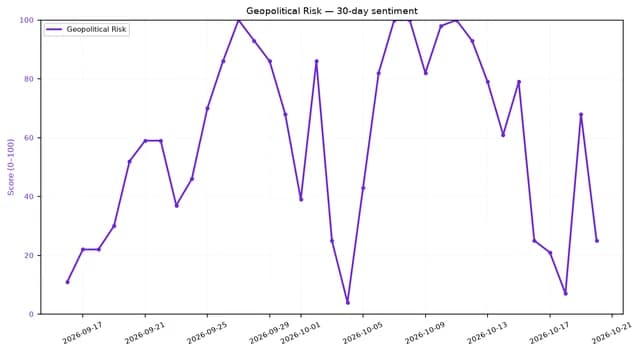
The broader market backdrop leaves little room for complacency. Brent-equivalent oil benchmarks have been volatile around the mid-$100 area, while credit spreads and sovereign borrowing costs remain sensitive to geopolitical shocks; the 10-year U.S. Treasury yield was around 5.15%, underscoring the cost pressure on risk assets if the Middle East conflict widens. Adalytica’s Global Stability Sentiment gauge sits at 25, or “Fear,” with awareness at an “Extreme Fear” reading of 4, while its natural gas market signal remains at 98, indicating traders are already positioned for disruption risk.
For shipowners and energy buyers, the key question is whether this was an isolated warning shot or the start of a more sustained campaign against commercial traffic. The Houthis have repeatedly targeted shipping in the Red Sea region and at times have threatened to impose their own toll-like system on Bab el-Mandeb, raising the prospect of a de facto tax on global trade through the route.
LNG producers and tanker operators stand to benefit from any rise in freight rates, but refiners, utilities and importers would face higher delivered fuel costs and more volatile supply timing. The next catalyst is whether maritime security agencies report follow-up incidents or whether major carriers begin adjusting routes and insurance coverage in response.
| Entity | Gains | Losses |
|---|---|---|
| LNG tanker owners | ▲Higher freight rates | ▼Higher war-risk costs |
| LNG exporters | ▲Tighter shipping market | ▼Delivery delays |
| LNG buyers/importers | ▲More supply attention | ▼Higher landed prices |
| Shipping route via Bab el-Mandeb | ▲Security focus | ▼Transit reliability |