A new Indonesian project to turn palm oil mill wastewater into renewable gas is moving ahead with more than $5 million of investment, underscoring how the country’s biggest plantation waste stream is being monetized as energy demand rises and emissions pressure intensifies.
Indonesia POME Biomethane Project Advances in Sumatra
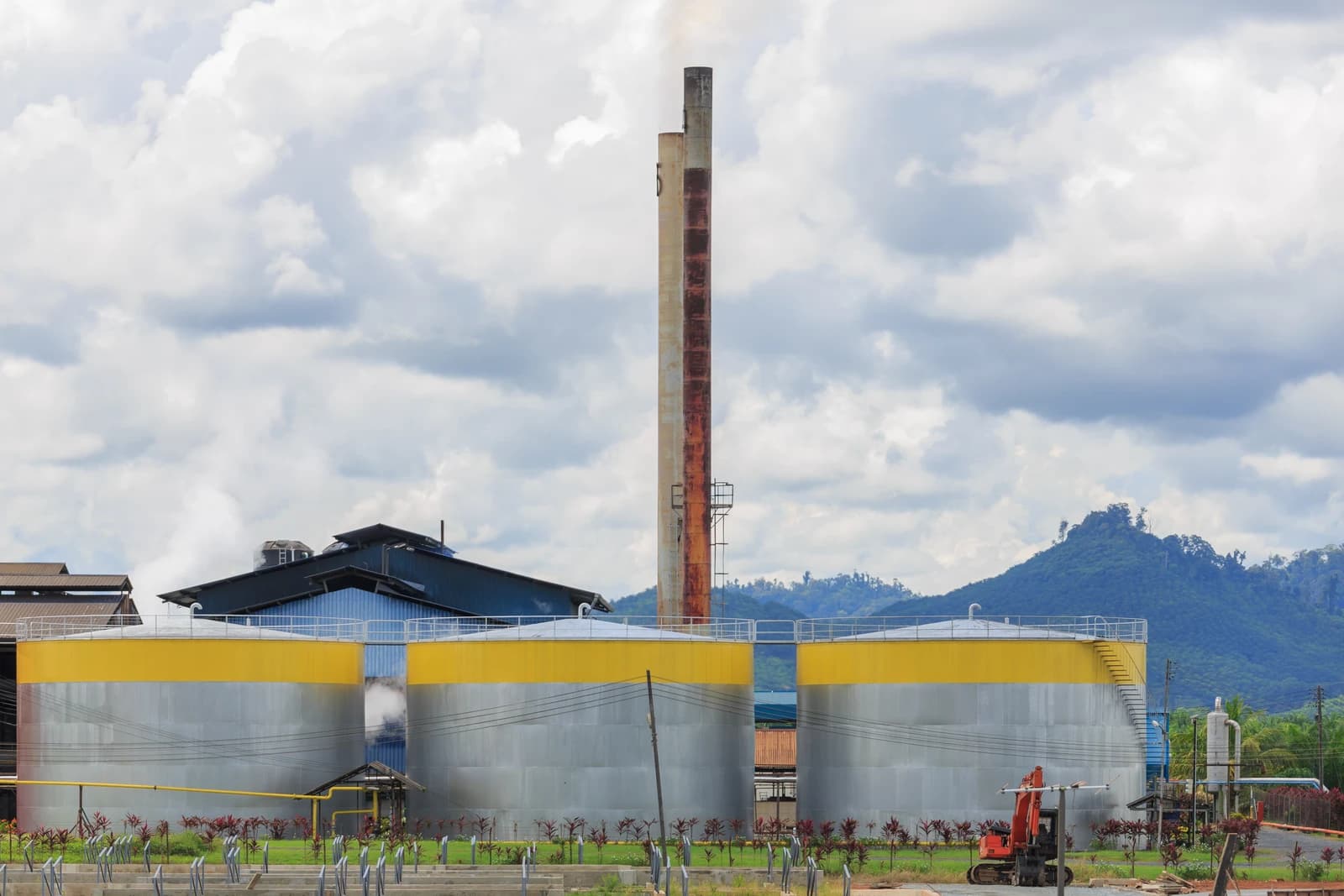
The facility in North Sumatra, set to start commercial operations in the second quarter of 2028, is designed to produce more than 102,000 MMBtu a year of compressed biomethane from palm oil mill effluent, or POME. The gas will be sold under a 15-year offtake agreement to PT Gagas Energi Indonesia, giving the project long-duration revenue visibility and reducing merchant-price exposure.
The development matters economically because it converts a disposal problem into a saleable fuel at a time when Indonesia is looking to expand cleaner domestic energy sources without relying entirely on imported fossil fuels. Biogas projects also offer plantation operators a way to cut methane emissions from waste ponds, an important source of greenhouse gases in palm oil processing. For the broader sector, that makes waste-to-energy assets both an environmental compliance tool and a potential margin support, especially where industrial buyers are willing to sign long-term contracts.
The project is being developed by PT reNIKOLA Primer Satu, a unit of Malaysia’s reNIKOLA Holdings, in partnership with PT Karya Pratama Niagajaya, part of Mahkota Group. It will be built on a greenfield basis at KPNJ’s palm oil mill site under a build-own-operate-transfer structure, meaning the developer will finance, own and run the plant before eventually handing it over under the terms of the agreement.
For investors, the key attraction is the combination of contracted cash flow and a feedstock that is effectively locked in by existing mill operations. That lowers volume risk relative to more speculative renewable fuel ventures. The downside is execution: the project remains years away from startup, and returns will depend on construction discipline, operating efficiency and the stability of the gas market when the plant comes online. In a sector already under scrutiny over pollution, illegal activity and regulatory compliance, successful execution could help reposition palm oil waste as a low-carbon industrial input rather than an environmental liability.
The move also fits a broader regional push to capture value from biomass and agricultural residues, especially in sectors where waste management costs and emissions penalties are rising. If the Sumatra project delivers on schedule, it could become a reference point for similar biomethane investments across Indonesia’s plantation belt, where the largest opportunity is not just cleaner fuel, but turning a compliance burden into bankable infrastructure.
| Entity | Gains | Losses |
|---|---|---|
| reNIKOLA / KPNJ | ▲Contracted project revenue | ▼Capital and execution risk |
| PGN Gagas | ▲Long-term renewable gas supply | ▼Exposure to fixed offtake terms |
| Palm oil mills | ▲Waste monetization option | ▼Higher operating complexity |
| Fossil fuel suppliers | ▲— | ▼Potential fuel displacement |