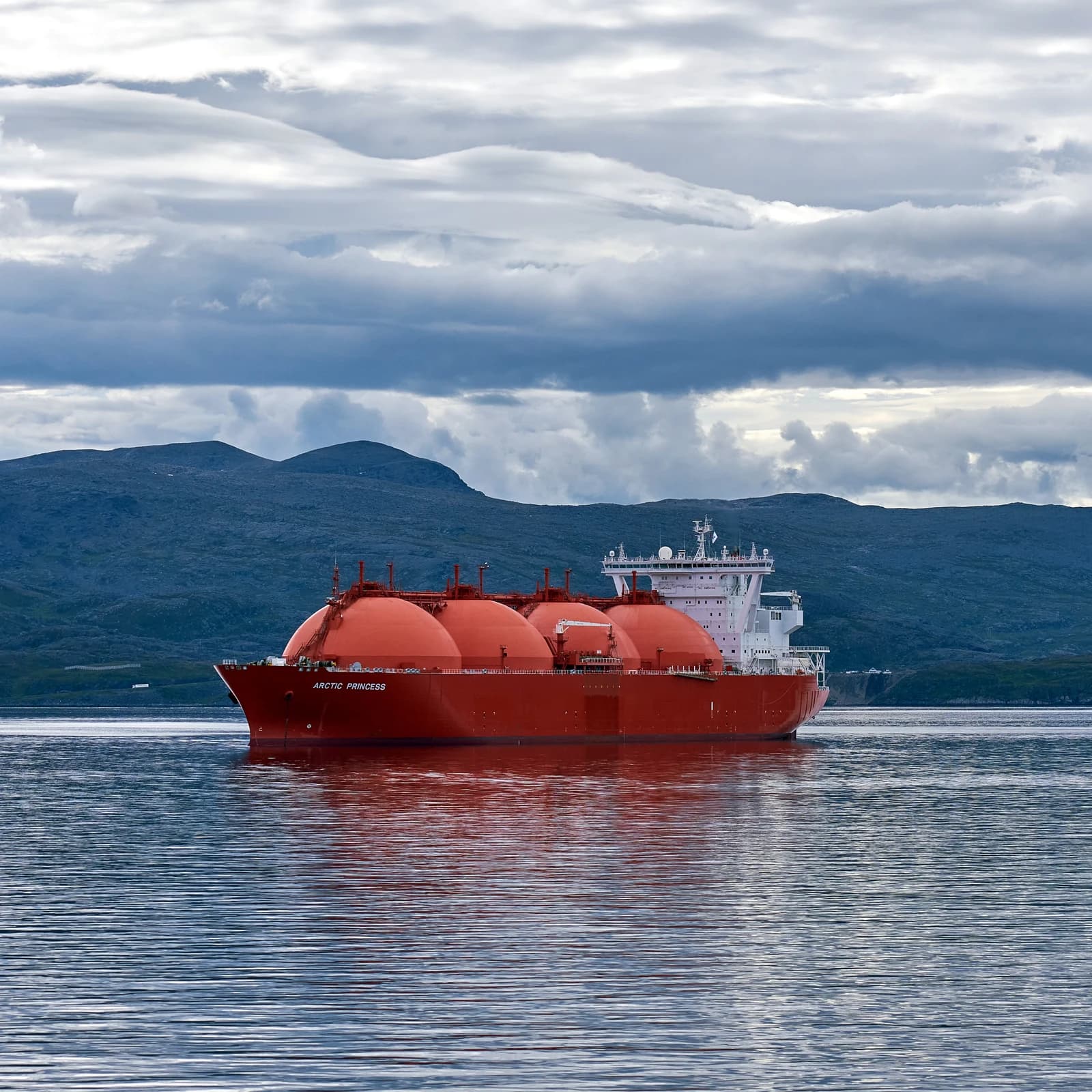
Indonesia is preparing to phase out imported LPG for households and redirect demand to a piped gas network, a move that could reshape the country’s energy bill, cap subsidy leakage and create a new growth runway for PT Perusahaan Gas Negara Tbk.
Indonesia LPG Phaseout Could Aid PGN Growth
That matters because the government says 80% to 85% of the 3-kilogram LPG used by households still comes from imports, leaving the budget exposed to foreign supply costs and subsidy outlays. Replacing bottled LPG with pipeline gas would not just change how Indonesian homes cook; it would shift the country from a recurring import burden toward domestic infrastructure spending and a more controllable energy system.
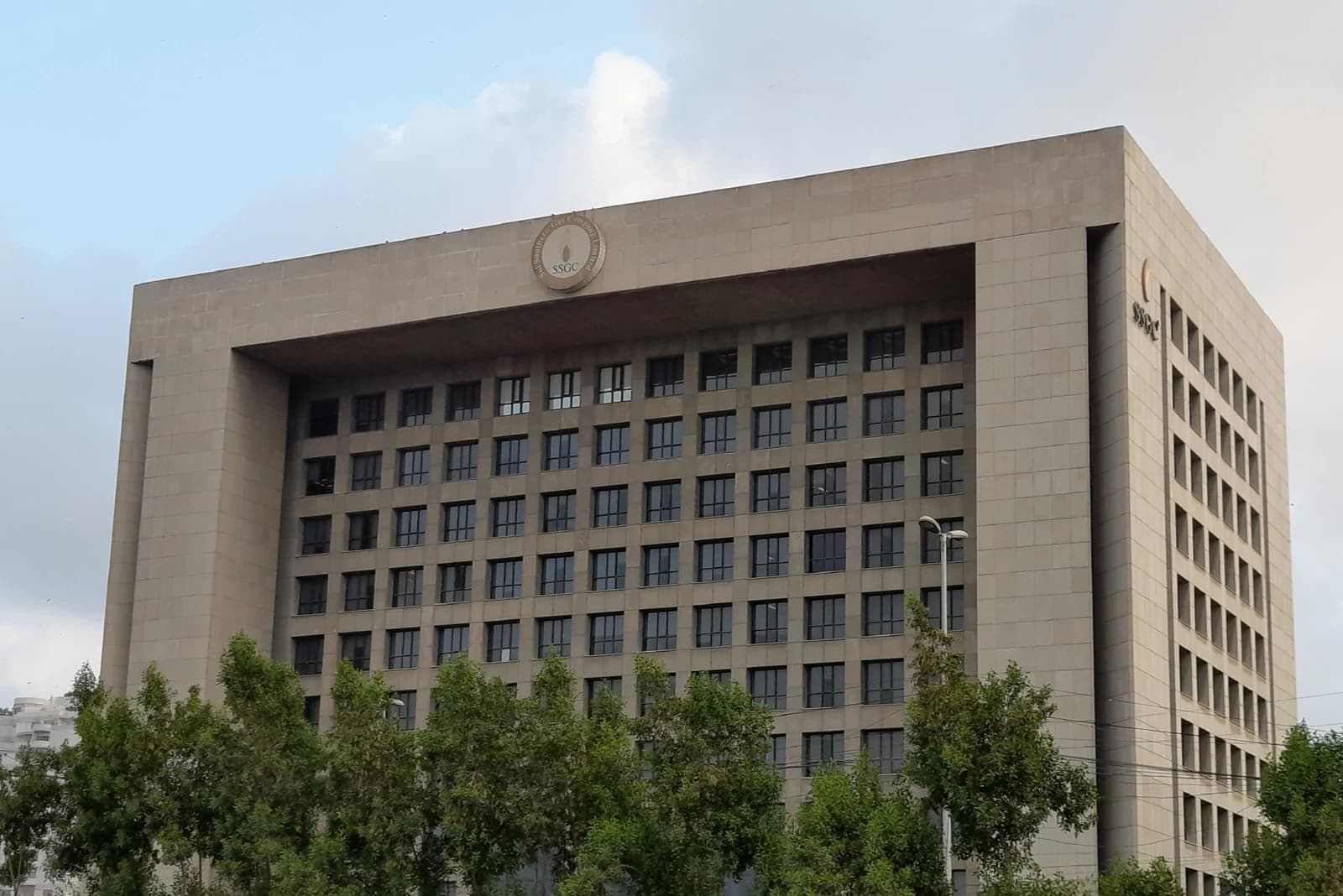
For investors, the plan is a clear strategic pivot. PGN, the gas distributor and transporter, would move deeper into midstream and downstream roles, effectively becoming the key toll road for household gas delivery. That opens the door to years of capital expenditure, network buildout and regulated volume growth if the program is executed at scale.
The policy also fits a broader fiscal tightening theme. Jakarta has already signaled cuts to fuel and 3-kilogram LPG subsidies, underscoring a push to reduce state support for imported energy. In that context, the gas-network plan is not a cosmetic efficiency drive; it is part of a structural effort to lower the government’s exposure to commodity volatility and external supply dependence.
The investment case is therefore less about near-term earnings and more about the long runway. Infrastructure-heavy energy assets typically benefit when governments prioritize energy security over spot-market purchases. If households are gradually migrated onto pipes, PGN could see a multi-year demand tailwind, while importers, distributors of bottled LPG and subsidy beneficiaries face pressure.
Markets are already rewarding the broader gas thesis in the U.S., where Energy Transfer has held up around the $20 area and National Grid remains close to its recent range as investors continue to favor utility and pipeline cash flows. That is the right frame for Indonesia too: when policy shifts from imports to infrastructure, the winners are usually the owners of steel in the ground, not the sellers of the imported commodity.
The key catalyst to watch is execution. Building household gas networks takes time, capital and political discipline. If Jakarta follows through, this could become one of the region’s most important energy-infrastructure stories — and an asymmetric opportunity for investors positioned early in PGN and related gas infrastructure names.
| Entity | Gains | Losses |
|---|---|---|
| PGN | ▲Network buildout, volume growth | ▼Legacy LPG-focused model |
| Indonesian government | ▲Lower subsidy burden | ▼Import dependence |
| LPG importers | ▲— | ▼Lost household demand |
| Energy infrastructure investors | ▲Multi-year capex upside | ▼Near-term policy uncertainty |