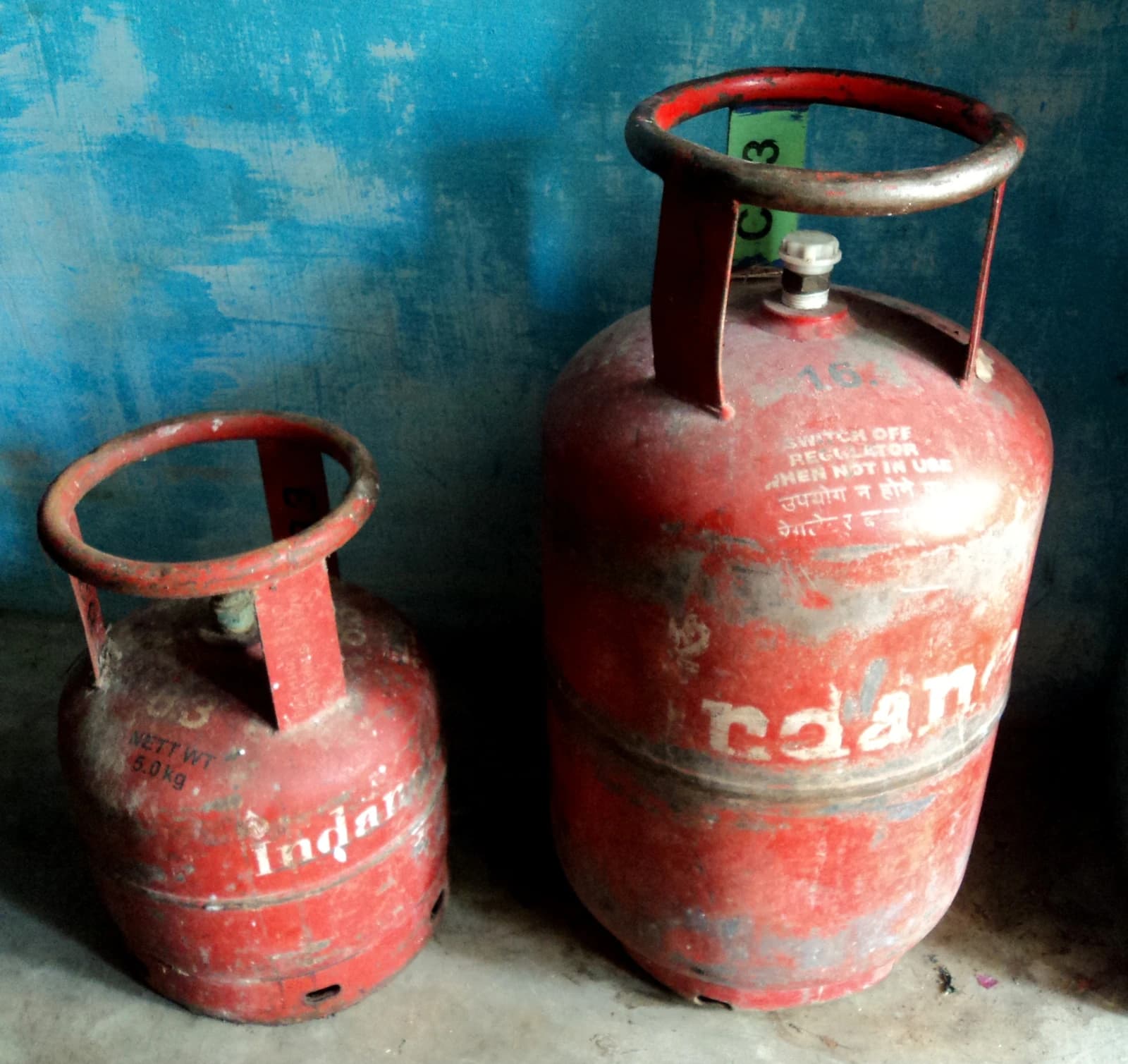
Goa will start transferring 3,000 rupees a year into eligible households’ bank accounts from Sept. 9 to help pay for three domestic LPG cylinders, turning a long-promised election pledge into a direct cash subsidy.
Goa starts 3,000-rupee LPG subsidy payments
The new Goa Ujjwala Scheme 2026 is economically small in absolute terms but politically and socially meaningful: it reduces the out-of-pocket cost of household cooking fuel, a basic expense that has become more sensitive as energy inflation has lingered. By opting for direct benefit transfer instead of free cylinder delivery, the state is trying to keep the program administratively simple while limiting leakages and targeting payments more cleanly.
Chief Minister Pramod Sawant said the scheme will cover eligible families using either LPG or piped natural gas, with no income cap and no exclusion for government employees. The benefit is limited to one gas connection per household, which should cap the fiscal burden and prevent duplication. For families, 3,000 rupees roughly matches the cost of three cylinders or equivalent PNG usage, making the policy a direct offset rather than a broad energy subsidy.
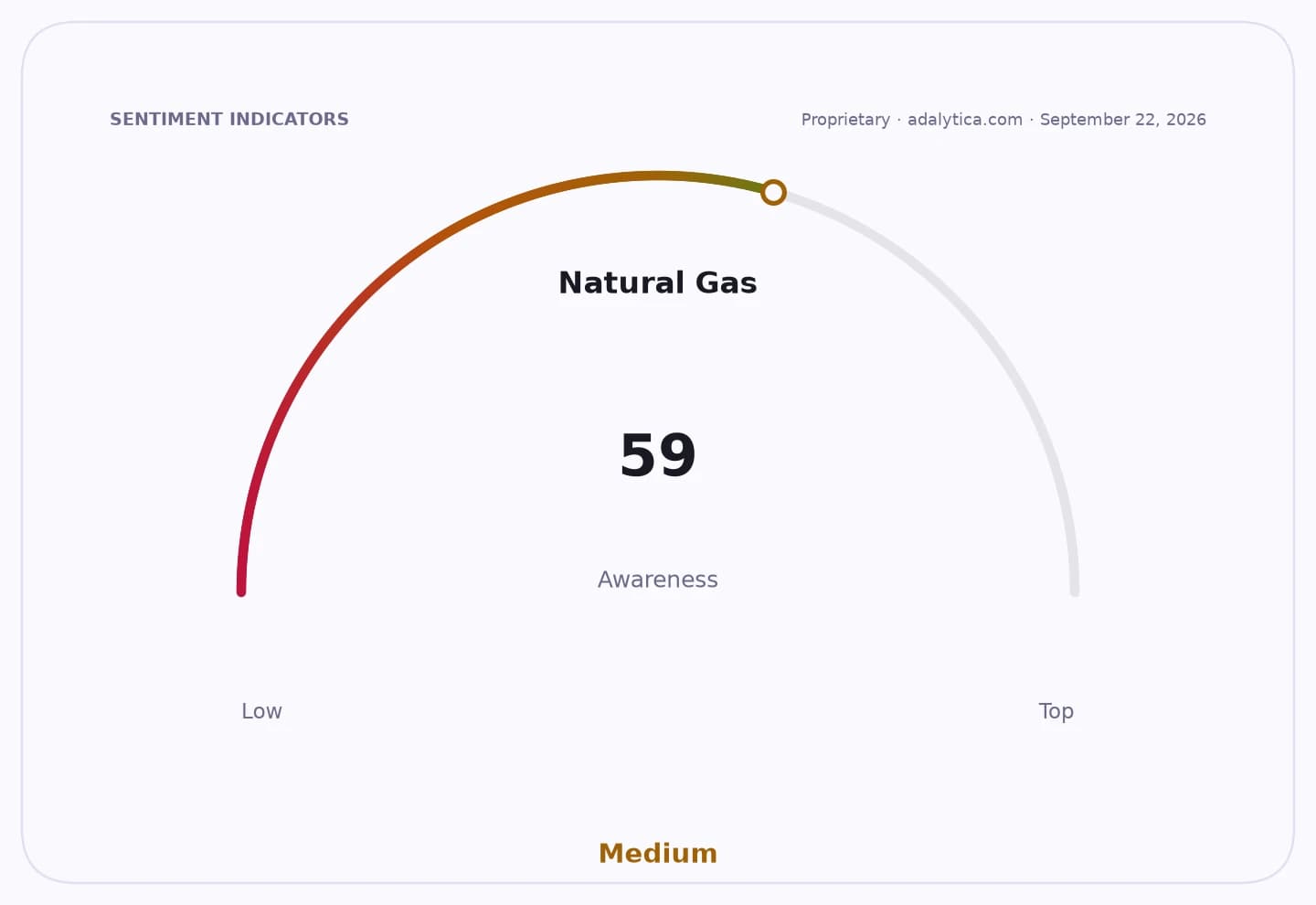
For investors, the immediate market impact is likely to be limited, but the announcement matters for the broader policy direction in India’s fuel and household energy market. Subsidy-heavy state schemes can support demand for bottled gas and PNG connections, even as they add pressure to public finances. That is relevant for state budgets, LPG distributors, city gas operators and, indirectly, the upstream fuel ecosystem.
The bigger question is execution. The scheme depends on offline applications and documentation, which can slow uptake and create uneven participation. If enrollment is broad, the fiscal cost could become politically popular but budgetarily sticky; if it is narrow, the measure risks becoming more symbolic than transformative. Either way, Goa has now signaled it will absorb part of household fuel inflation itself rather than leaving voters to shoulder the full cost.
| Entity | Gains | Losses |
|---|---|---|
| Eligible Goa households | ▲Lower cooking-fuel bills | ▼Less cash out-of-pocket |
| Goa government | ▲Political goodwill | ▼Higher fiscal spending |
| LPG/PNG users | ▲Direct subsidy support | ▼None if ineligible |
| State budget | ▲Controlled one-connection cap | ▼Pressure from recurring payouts |