MOL’s launch of a biometane plant in Szarvas is more than a standalone green investment: it gives Hungary a domestically produced gas substitute that can flow into the existing network, cut import needs and create a new commercial energy line for the oil and gas group.
MOL opens biometane plant in Szarvas
The company said the more than 2.7 billion forint project will reduce the country’s annual natural gas requirement by over 7 million cubic meters, roughly the yearly consumption of about 8,500 average households. That matters in a market where every incremental unit of homegrown supply eases exposure to imported fossil fuel, supports energy security and can help stabilize costs for consumers and industrial users.
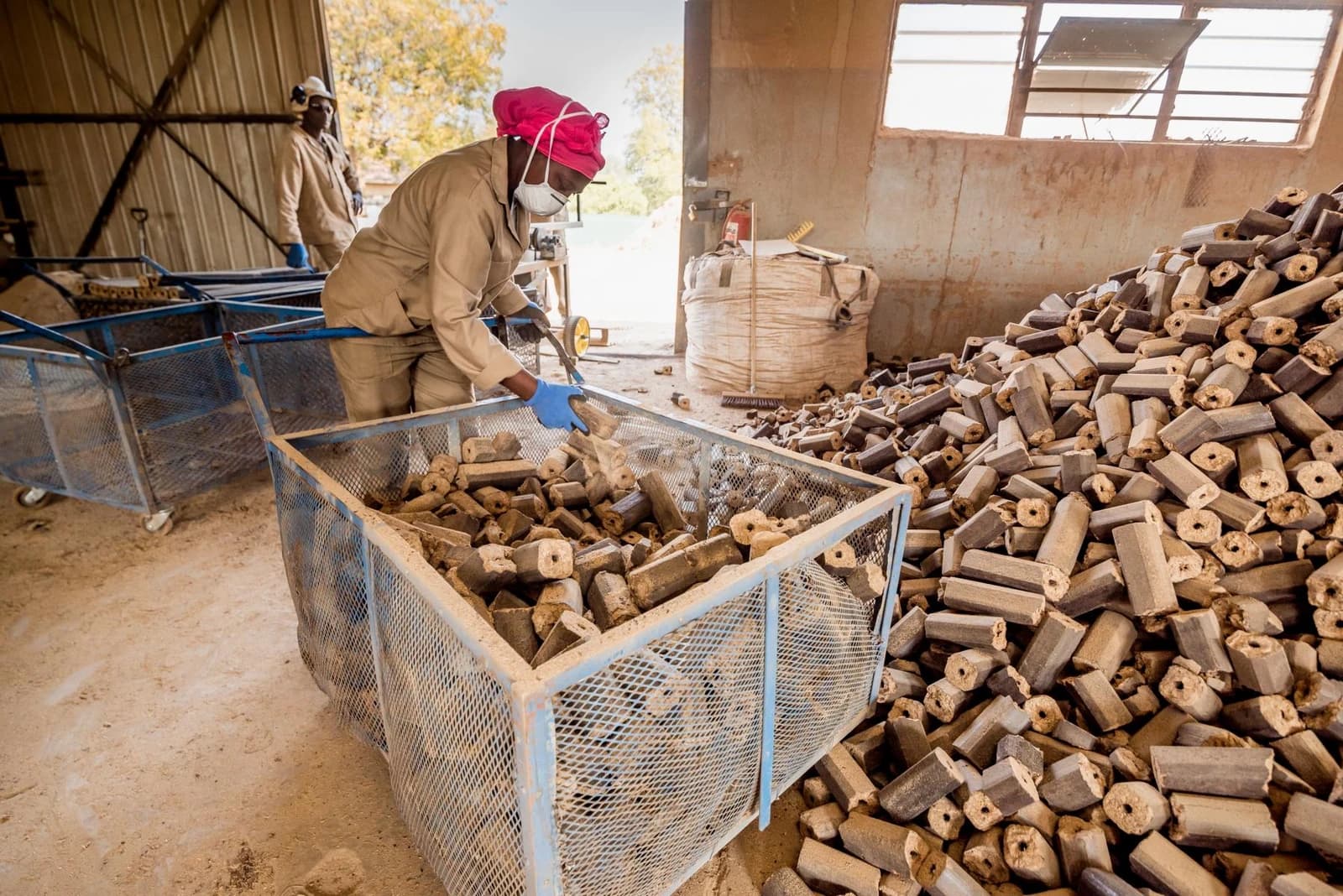
The plant also shows how MOL is trying to turn waste streams into a tradable fuel business. The facility processes more than 40,000 tons of slaughterhouse waste, 53,000 tons of manure and other residue, and about 18,000 tons of agricultural feedstock a year. By upgrading biogas into high-purity biometane, MOL can inject gas into the pipeline grid rather than limiting use to onsite power and heat generation, expanding the market addressable by the asset.
That commercial flexibility is central to the investment case. MOL said the biometane comes with ISCC green certification, which gives the fuel added value beyond simple gas substitution and opens the door to use in public transport and freight. For the company, that creates a potential higher-margin niche business at the intersection of energy, agriculture and waste management, backed by existing gas infrastructure and real industrial demand.
The move also fits a broader regional shift toward local energy sources after years of pressure to reduce dependence on imports. Hungary’s government has sought to diversify its energy mix, and biometane offers a relatively fast route because it can be fed into the current gas system without requiring a completely new distribution buildout. For households, that does not mean immediate relief on bills, but it does mean a larger domestic supply pool over time.
MOL signaled this is likely only the start. It said the Szarvas plant will inform future acquisitions and greenfield projects, suggesting the group sees biometane as a scalable platform rather than a one-off environmental showcase. The bull case is that MOL can leverage its trading, financing and project skills to build a portfolio of small but commercially useful domestic gas assets. The bear case is that growth will remain constrained by feedstock availability, permitting and economics, leaving biometane a useful but limited contributor to Hungary’s energy balance.
For investors, the key question is whether MOL can turn a pilot-style renewable fuel project into a repeatable business that earns acceptable returns while fitting the company’s wider transition strategy. If it can, the company could build a defensible position in a niche with policy support, network access and local demand. If not, the investment may remain an incremental decarbonization step rather than a material earnings driver.
| Entity | Gains | Losses |
|---|---|---|
| MOL | ▲New gas-adjacent revenue stream | ▼Higher project execution risk |
| Hungarian households | ▲More domestic gas supply | ▼Limited near-term bill relief |
| Agriculture suppliers | ▲Stable feedstock demand | ▼Dependence on MOL contracts |
| Gas importers | ▲— | ▼Slightly lower demand over time |