A Polish food producer is breaking ground on a more than PLN 250 million plant near Łódź, a move that could reshape its product mix, lift high-value output and deepen a regional industrial cluster at a time when food manufacturers are under pressure to extract more value from every tonne of raw material.
Starmeat starts PLN 250 million plant near Łódź
Starmeat’s project in Koluszki, under the Starprotein brand, is being framed as more than a capacity expansion. The company says the new facility is designed to support a “zero waste” model, improve efficiency and diversify revenue into higher-margin categories including dietary supplements, functional foods, medical nutrition, military rations and pet food.
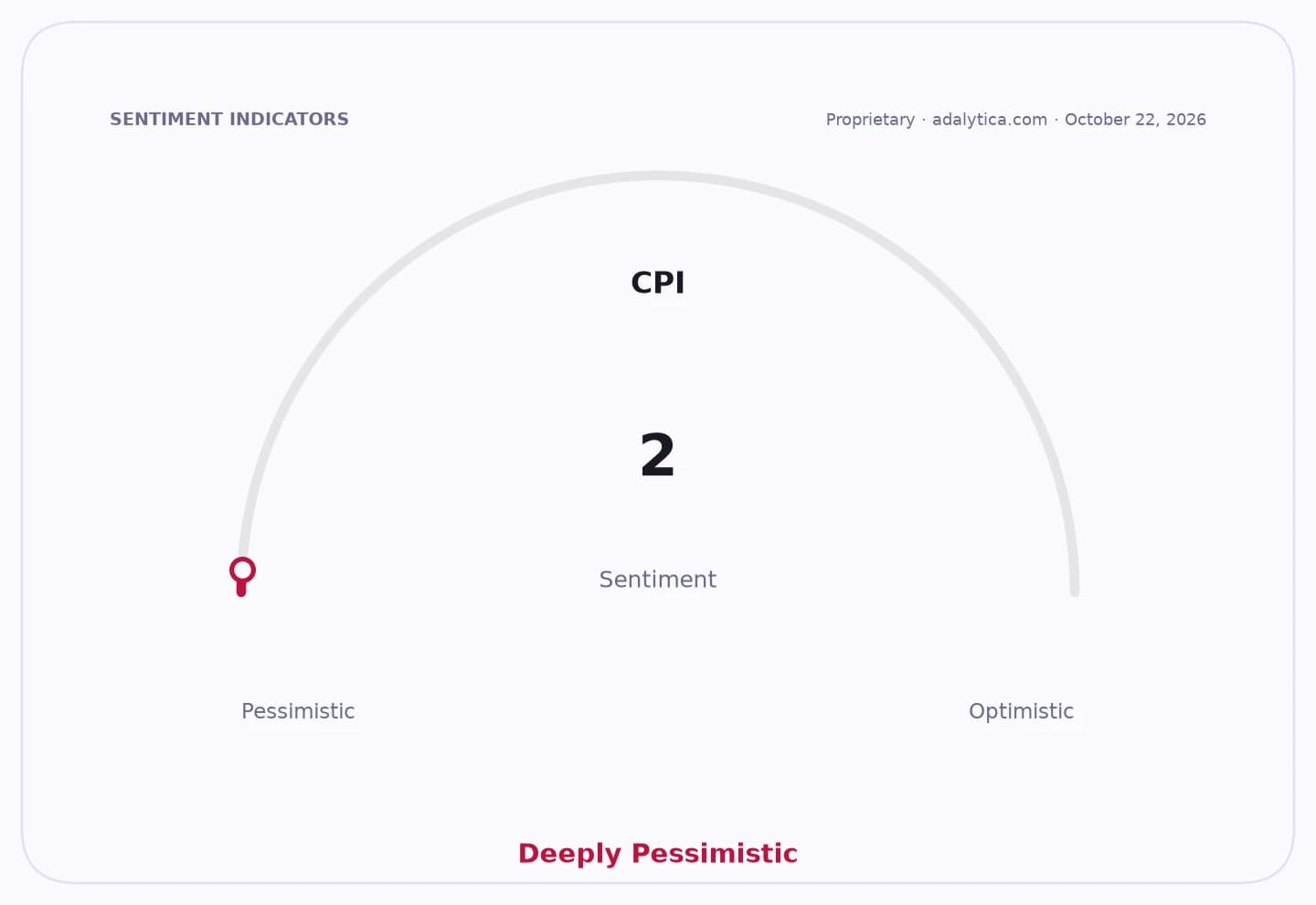
Sentiment IndicatorsⓘProprietary · adalytica.com · October 20, 2026
This is a snapshot — live sentiment, awareness and momentum for 130+ markets update continuously in the dashboard.Open AlphaPulse
That matters economically because food processing is increasingly being forced to move up the value chain. In a market where inflation, tighter consumer budgets and supply-chain volatility have made commodity-style output harder to defend, producers with the capital and technology to turn raw materials into specialised ingredients and premium formulations are better placed to protect margins. The plant’s focus on advanced processing and fuller utilisation of inputs suggests Starmeat is not simply adding volume, but trying to change the economics of its business.
The investment also speaks to a broader industrial trend in central Europe: manufacturers are still willing to commit significant capital to modern plants when the end market offers defensible niches. The project will cover 11,000 square metres and is due to be completed in October 2027, with construction already under way. The company says the site will create new jobs, including positions for highly qualified specialists, which should have a multiplier effect in the Łódź region through engineering, logistics and supplier demand.
For investors, the key question is whether the factory can translate capex into sustainable earnings power. A bigger, more technologically sophisticated operation can support revenue diversification and reduce dependence on lower-margin lines, but it also raises execution risk: large-scale food manufacturing projects are capital-intensive, delayed returns are common, and success depends on securing customers in categories such as medical and special nutrition that require certification, quality control and consistent demand. The market will also be watching whether the new capacity helps Starmeat win contracts with institutional buyers and export channels rather than simply adding fixed costs.
The project sits against a backdrop of uneven food-sector demand. Consumer sentiment around spending remains fragile, while companies across the food chain are trying to defend profitability through price discipline, productivity gains and portfolio shifts. In that environment, a plant built around efficiency and specialised products is a sign of where the industry is heading: fewer undifferentiated tonnes, more engineered food products, and a stronger emphasis on margins per kilogram rather than sheer scale.
If Starmeat delivers on the plan, the Łódź investment could become a template for mid-sized food manufacturers looking to move beyond traditional processing and into higher-value markets. If it misses timelines or fails to fill the plant with profitable business, the factory will instead underscore how costly that transition can be.
| Entity | Gains | Losses |
|---|---|---|
| Starmeat / Starprotein | ▲Higher-margin product mix | ▼Higher capital burden |
| Łódź region / Koluszki | ▲Jobs and industrial activity | ▼Pressure on local infrastructure |
| Contract builders / suppliers | ▲Construction revenue | ▼Project delay risk |
| Traditional low-value processors | ▲Benchmark for modernisation | ▼Competitive pressure |