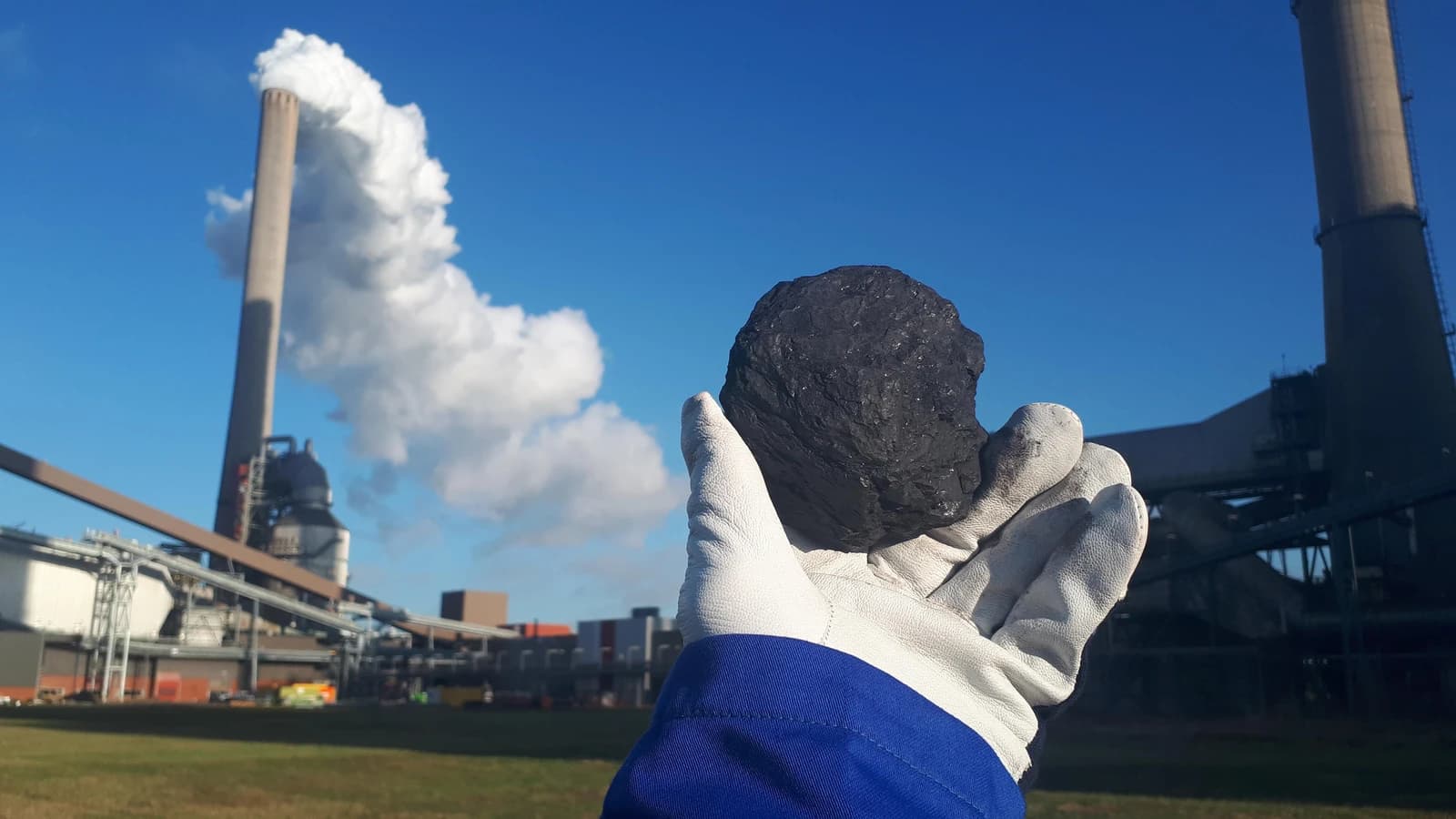
Dutch power companies are weighing a controversial pivot to biomass that could keep coal-fired plants running beyond 2030, but the move risks locking in heavy emissions and policy backlash at the very moment Europe is trying to accelerate cleaner power.
Netherlands Coal Plants Face Biomass Pivot Debate
That matters because the Netherlands is not just deciding how to burn fuel; it is deciding whether existing coal infrastructure gets a second life or is forced into retirement. If utilities can convert coal units to biomass, they preserve generation assets, jobs and grid capacity. If subsidies and approvals tighten, those plants could become stranded far sooner than operators hope.
Sentiment IndicatorsⓘProprietary · adalytica.com · October 20, 2026
This is a snapshot — live sentiment, awareness and momentum for 130+ markets update continuously in the dashboard.Open AlphaPulse
The appeal is straightforward for utilities: biomass can be fed into existing stations, making it a cheaper transition than building entirely new renewable capacity. But the economics are only compelling if policymakers continue to treat biomass as part of the low-carbon toolbox. Critics say that is a dangerous assumption because the emissions are released immediately while any carbon payback through tree regrowth can take decades, if it happens at all.
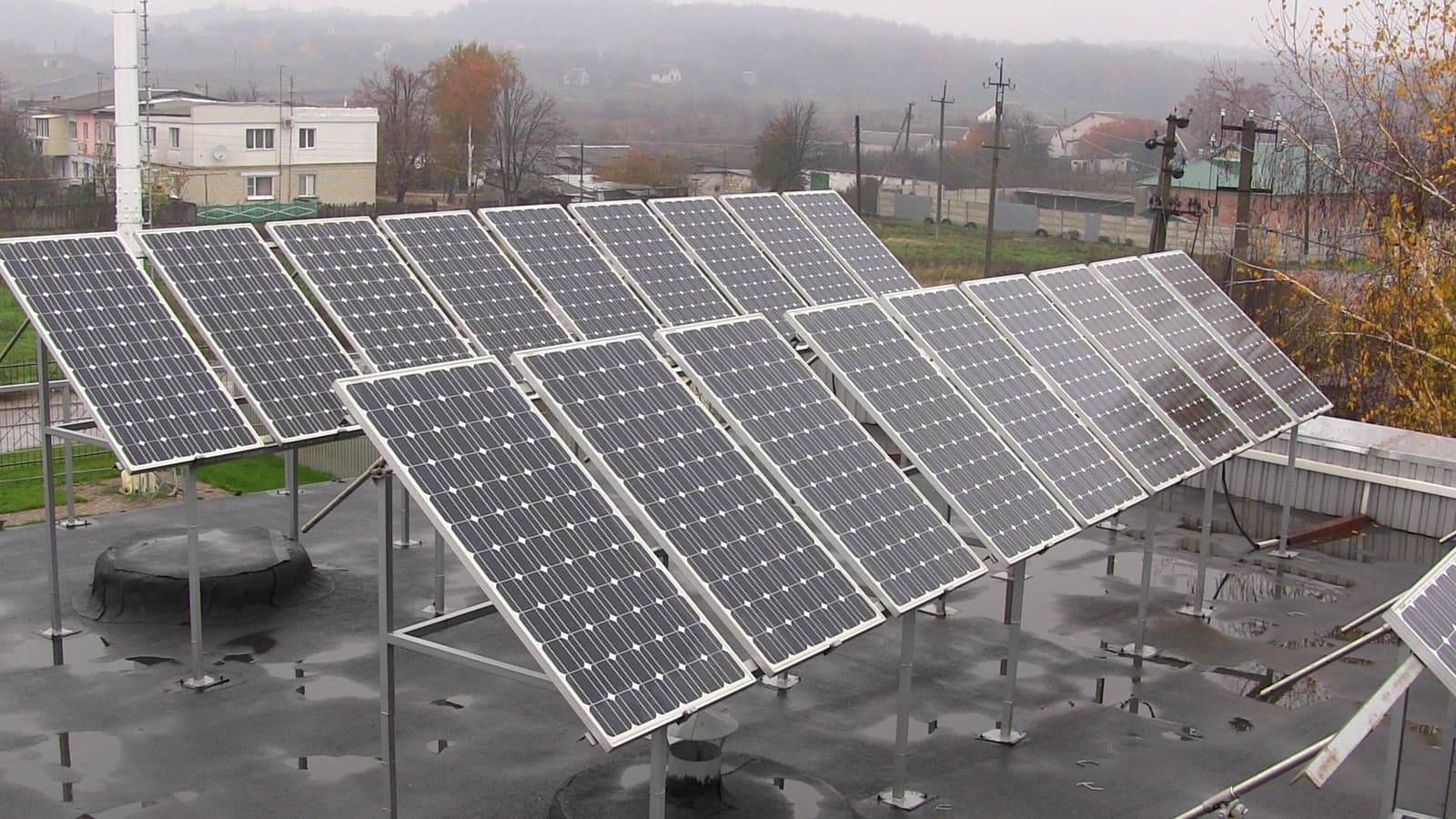
That debate is why scrutiny is rising. Dutch oversight of feedstock origin and sustainability is set to tighten, reflecting concern that biomass depends on a fragile chain of regenerative forestry, transport and carbon capture. Opponents argue the system still carries a real risk of deforestation and clear-cutting, and they want subsidies redirected toward solar, wind and geothermal power instead.
For investors, the story is less about one fuel than about capital allocation. Utilities with coal assets may see a route to extend cash flows, but that path is increasingly political and could become more expensive as regulations harden. Companies tied to biomass supply chains may benefit if subsidies hold, while pure-play renewable developers could gain if governments decide biomass no longer deserves support.
The broader message is that Europe’s energy transition is moving from broad climate promises to hard choices about which technologies deserve public money. In the Netherlands, biomass may offer a bridge for coal operators, but it is a bridge built on contested science and fragile policy support. Investors should treat it as a watchlist theme, not a sure thing.
| Entity | Gains | Losses |
|---|---|---|
| Dutch coal plant owners | ▲Longer asset life | ▼Higher policy risk |
| Biomass suppliers | ▲New demand | ▼Stricter sustainability checks |
| Solar, wind, geothermal developers | ▲More subsidy support | ▼Biomass competition |
| Dutch consumers/payers | ▲Potential grid flexibility | ▼Subsidy costs and emissions risk |