Australia’s High Court has invalidated approval for a major coal mine expansion in New South Wales, a ruling that could force planners and resource companies to treat overseas emissions from exported coal as a live legal risk in project approvals.
Australia High Court blocks NSW coal mine expansion
That matters because the court has effectively widened the debate around “scope 3” emissions — the pollution created when Australian coal is burned in another country — at a time when coal producers still depend on export markets for the bulk of their revenue. For investors, it is a reminder that the biggest threat to coal isn’t just weaker demand or lower prices, but a legal and regulatory framework that is becoming less forgiving as climate scrutiny deepens.
Sentiment IndicatorsⓘProprietary · adalytica.com · October 8, 2026
This is a snapshot — live sentiment, awareness and momentum for 130+ markets update continuously in the dashboard.Open AlphaPulse
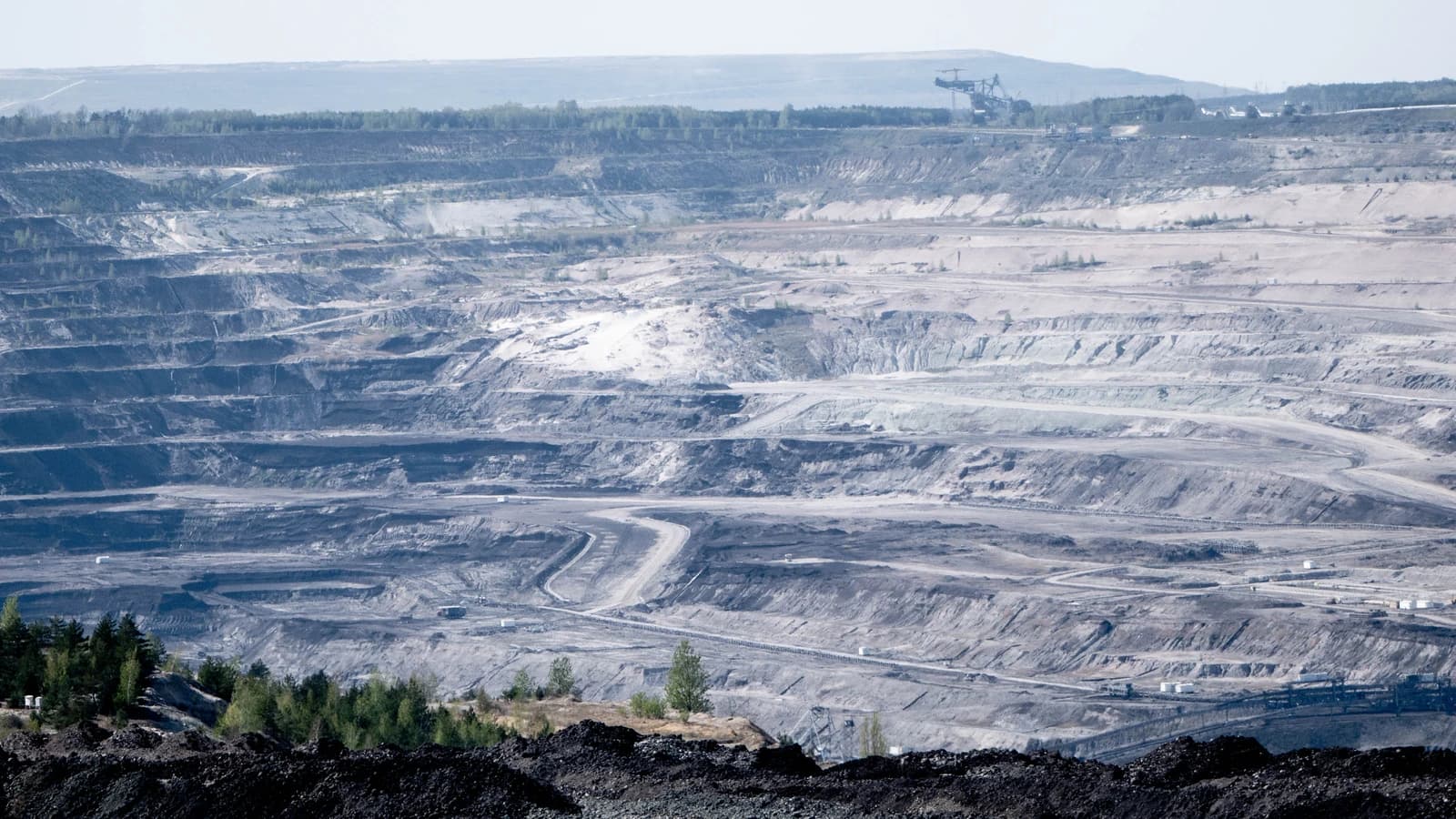
The case centered on MACH Energy Australia’s Mount Pleasant open-cut mine in the NSW Hunter region, where regulators approved a 22-year life extension in 2022. The company said domestic emissions could be managed, while arguing that about 98% of the project’s total emissions were scope 3 and should be dealt with by customer countries under the Paris Agreement. The Independent Planning Commission accepted that view, but the High Court said it failed to properly consider whether conditions should be imposed to minimize emissions to the greatest extent practicable under NSW planning law.
The decision was a blow to coal industry certainty, but it was also narrower than some of the political rhetoric surrounding it. Federal Environment Minister Murray Watt said the judgment was likely to have limited impact outside NSW and would not automatically flow into Commonwealth law. Even so, the ruling creates a template that other states — and possibly future developers — cannot ignore if their planning laws contain similar wording.
That is why the market relevance goes well beyond one mine. Coal projects are capital-intensive, slow to develop and highly sensitive to permitting. When approvals can be undone by how regulators handled emissions they viewed as “overseas,” the hurdle rate for new investment rises. Projects that looked technically viable may now face longer delays, more litigation and tougher conditions, all of which can squeeze returns and make financing harder to secure.
For coal investors, the immediate question is not whether the industry disappears overnight — it won’t — but whether the long tail of export coal assets becomes more fragile. Shares of coal producers can still move on global prices, but the legal overhang is becoming harder to separate from economics. That is especially true for thermal coal, where climate policy risk is more direct, though metallurgical coal names are not immune to a broader tightening of approvals.
The political response was swift. Opposition Leader Angus Taylor and Nationals leader Matt Canavan called the ruling “absurd” and pressed the NSW government to change the law quickly, with One Nation’s Barnaby Joyce warning of a hit to national wealth. That sets up another familiar Australian battle: miners and their backers arguing for certainty and jobs, while environmental groups see a precedent that could force regulators to account for the real-world climate cost of exports.
Long term, this looks less like a one-off legal twist and more like part of a steady re-rating of coal assets. Investors with a multiyear horizon should read it that way: not as a trading headline, but as another sign that coal’s discount rate is rising. For now, the sector still offers cash flow, but the regulatory runway is getting shorter, and that is something worth watching closely.
| Entity | Gains | Losses |
|---|---|---|
| Environmental groups | ▲Stronger climate-law precedent | ▼None material |
| NSW planners/regulators | ▲Clearer legal standard | ▼More approval scrutiny |
| Coal miners/developers | ▲Little immediate upside | ▼Higher legal risk |
| Coal investors | ▲Potential pricing support from scarcity | ▼Greater permit uncertainty |