Energy Minister Simeon Brown’s insistence that New Zealand will sign an LNG import terminal contract before the election raises the stakes for the next government’s energy policy and for investors weighing who ultimately carries the political and commercial risk.
New Zealand LNG terminal contract before election

The immediate issue is not just whether the deal gets done, but whether a caretaker government should lock in a long-dated gas infrastructure commitment while opposition parties and protesters argue the decision should wait. Brown said the coalition would proceed because “the Government is the Government until the election,” signaling it intends to use its remaining mandate to secure supply before voters go to the polls.
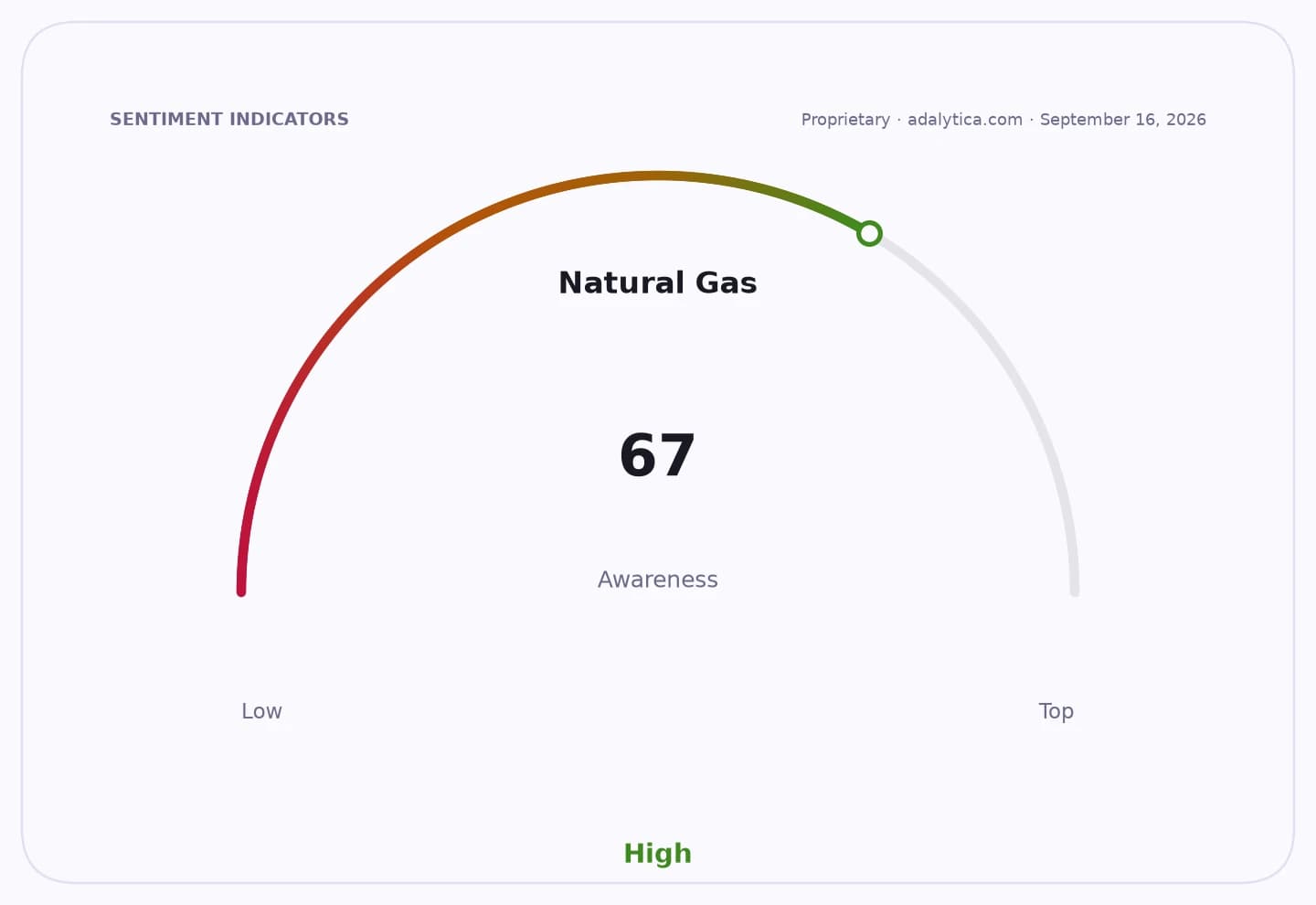
Sentiment IndicatorsⓘProprietary · adalytica.com · September 16, 2026
This is a snapshot — live sentiment, awareness and momentum for 130+ markets update continuously in the dashboard.Open AlphaPulse
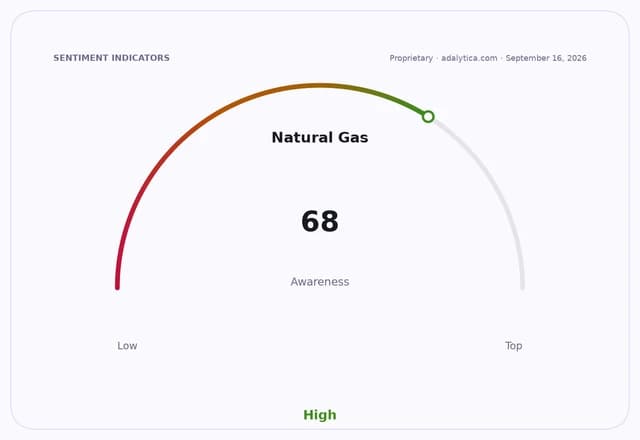
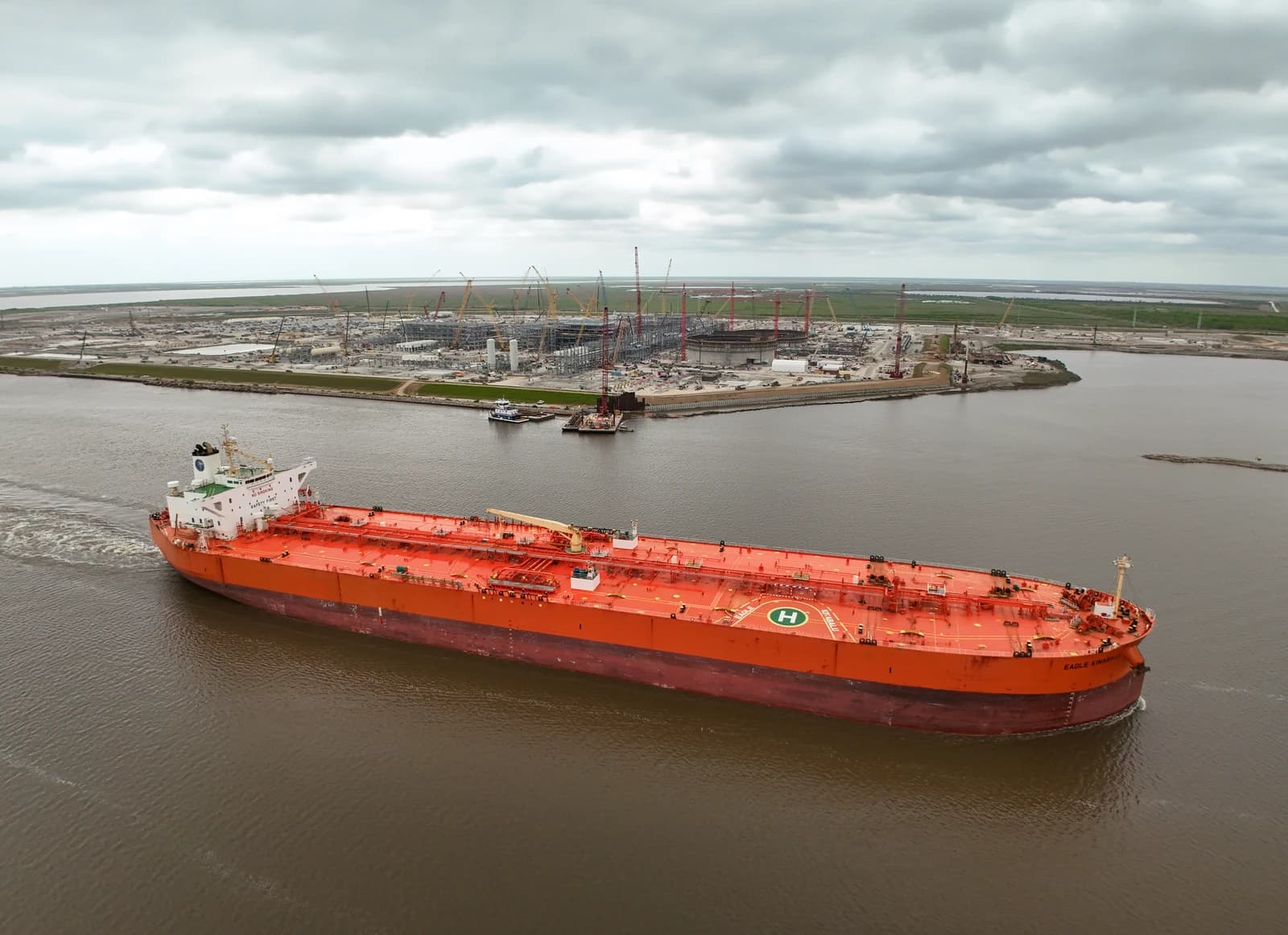
That matters economically because LNG import capacity is a capital-intensive attempt to shore up fuel security in a market that has become more volatile and, at times, far tighter. In an environment where LNG prices have surged and governments are racing to diversify supply, a terminal contract can be read as insurance against shortages, industrial disruption and price spikes. It can also shape power generation economics by providing an alternative to constrained domestic gas supplies, which is why the decision reaches beyond energy policy into inflation, industrial margins and the cost of electricity.
For investors, the deal points to a more durable policy backdrop for gas infrastructure if it survives the election cycle. That could support contractors, terminal partners and gas-linked equities, while strengthening the case for domestic energy security names that benefit from greater LNG availability. At the same time, the political backlash adds execution risk: a future government could seek to review, delay or reshape the agreement, leaving counterparties exposed to contract uncertainty and timing risk.
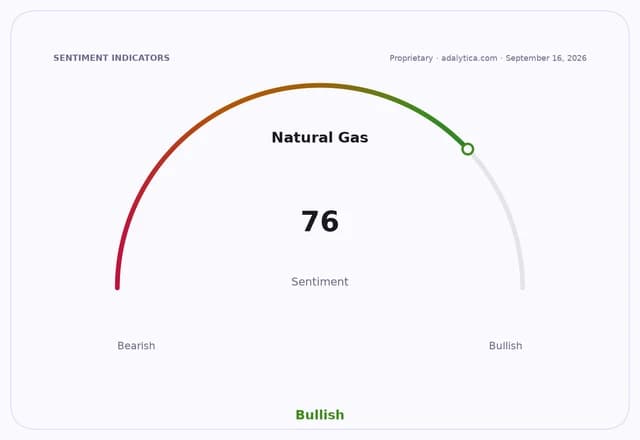
The market backdrop is broadly supportive of LNG investment. Global LNG trade has remained active as utilities and governments lock in long-term supply, and recent deals elsewhere in the sector underscore the same theme: buyers are prioritizing security over spot-market opportunism. That tends to favor firms with existing infrastructure, financing capacity and access to shipping and regasification assets. But it also means projects signed late in a political cycle can carry a higher risk premium if policy continuity is in doubt.
The main bull case is that Brown’s move reduces near-term supply risk and demonstrates policy resolve at a moment when energy security is a voting issue. The bear case is that a pre-election signature could become a post-election liability, with legal challenges, public opposition and policy reversal all capable of eroding the terminal’s economics. For investors, the key question is whether the government can convert political urgency into a bankable, durable contract before the window closes.
| Entity | Gains | Losses |
|---|---|---|
| NZ government / coalition | ▲Energy-security credibility | ▼Political backlash |
| LNG terminal backers | ▲Contract visibility | ▼Policy reversal risk |
| Consumers / industry | ▲Lower supply-risk exposure | ▼Higher infrastructure costs |
| Opposition / protesters | ▲Public attention | ▼Deal momentum |