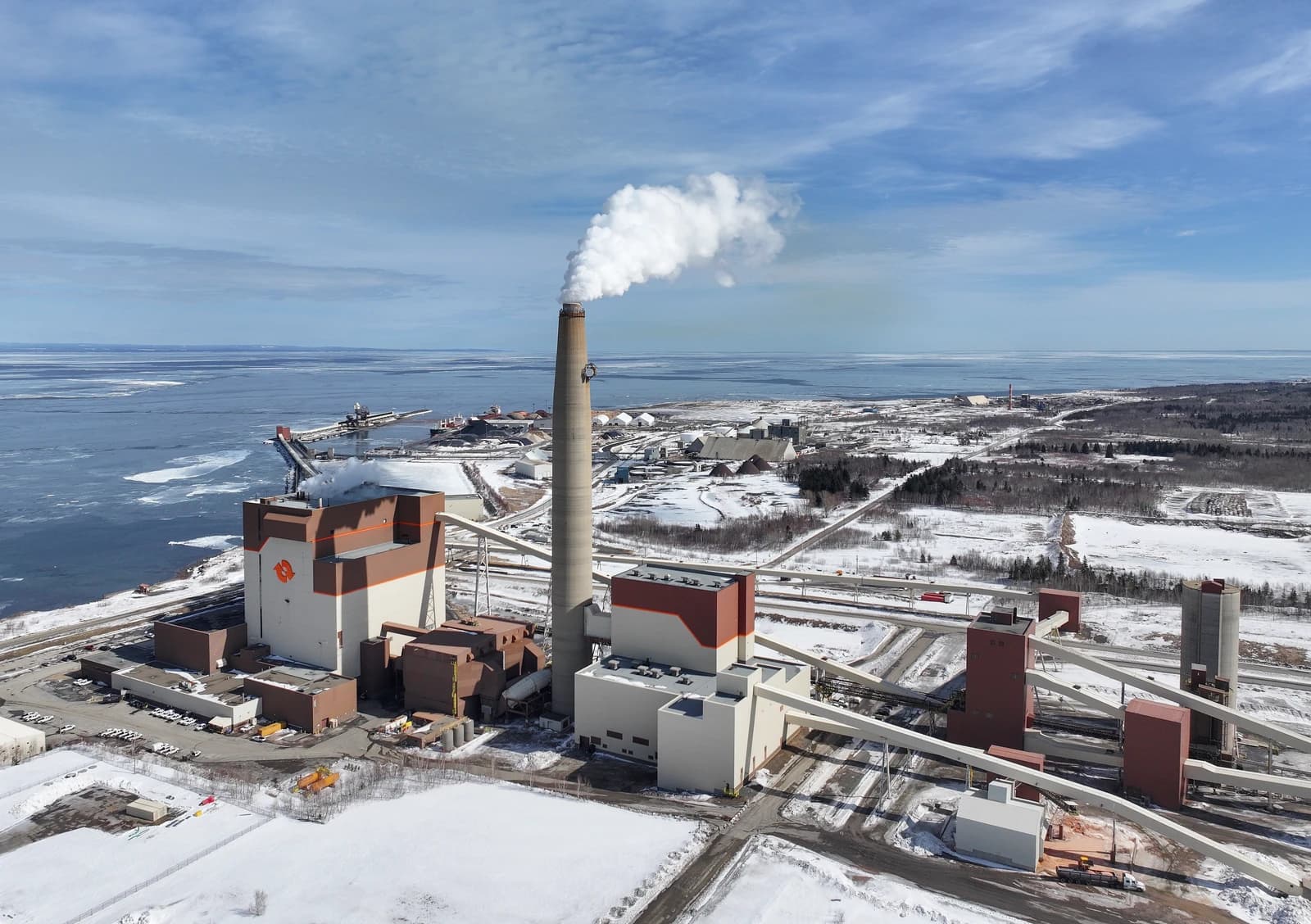
Australia’s coal-fired power sector is facing fresh pressure after clean-energy advocates urged climate minister Chris Bowen to back a new levy on coal plants, a move that would raise the cost of running the country’s dirtiest generators and could accelerate investment away from fossil-fueled power.
Australia coal plants face proposed emissions levy

The proposal matters because coal still underpins a large share of Australia’s electricity supply, especially in the National Electricity Market, and any new charge would feed directly into operating costs, wholesale power pricing and the economics of utility balance sheets. It also lands at a time when governments globally are tightening carbon-market rules and searching for ways to make emissions policy bite without triggering industrial backlash.
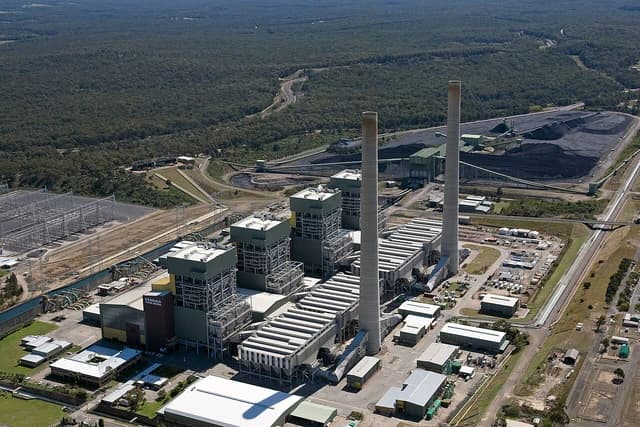
A levy on coal plants would effectively put a sharper price on emissions than many existing policies, raising the burden on generators that already face higher maintenance, compliance and reliability costs as aging units struggle to stay online. That would likely improve the competitive position of gas, renewables, storage and other low-carbon assets, while widening the gap between coal-heavy utilities and those with cleaner portfolios.
For investors, the key question is not just whether the levy gets adopted, but how it would be structured. A direct charge on coal generation could weigh on earnings for listed power producers with exposure to thermal assets, while favoring developers, grid operators and renewable suppliers that stand to benefit from faster displacement of coal. It would also sharpen the political risk premium attached to Australian utilities, where policy shifts can quickly alter cash-flow assumptions and asset life expectations.
The broader backdrop is a global push to strengthen carbon markets and climate rules, from Europe’s additional free carbon allowances for heavy industry to Ethiopia’s move to advance carbon-market legislation. Australia’s debate fits that pattern: governments want emissions to fall, but they are still calibrating how hard to hit incumbent industries without causing electricity price shocks or supply strain.
The market implication is that coal assets may face a longer-dated but more structural re-rating if policymakers move from broad emissions targets to direct operating penalties. For power investors, that means the value of optionality — cleaner generation, flexible storage and transmission-linked infrastructure — is rising, while the case for prolonged coal exposure is becoming more fragile.
| Entity | Gains | Losses |
|---|---|---|
| Renewable developers | ▲Faster coal displacement | ▼None material |
| Coal-fired generators | ▲Higher policy uncertainty | ▼Higher operating costs |
| Power consumers | ▲Long-run cleaner supply mix | ▼Potential near-term price pressure |
| Australian government | ▲Stronger climate credibility | ▼Political blowback from industry |