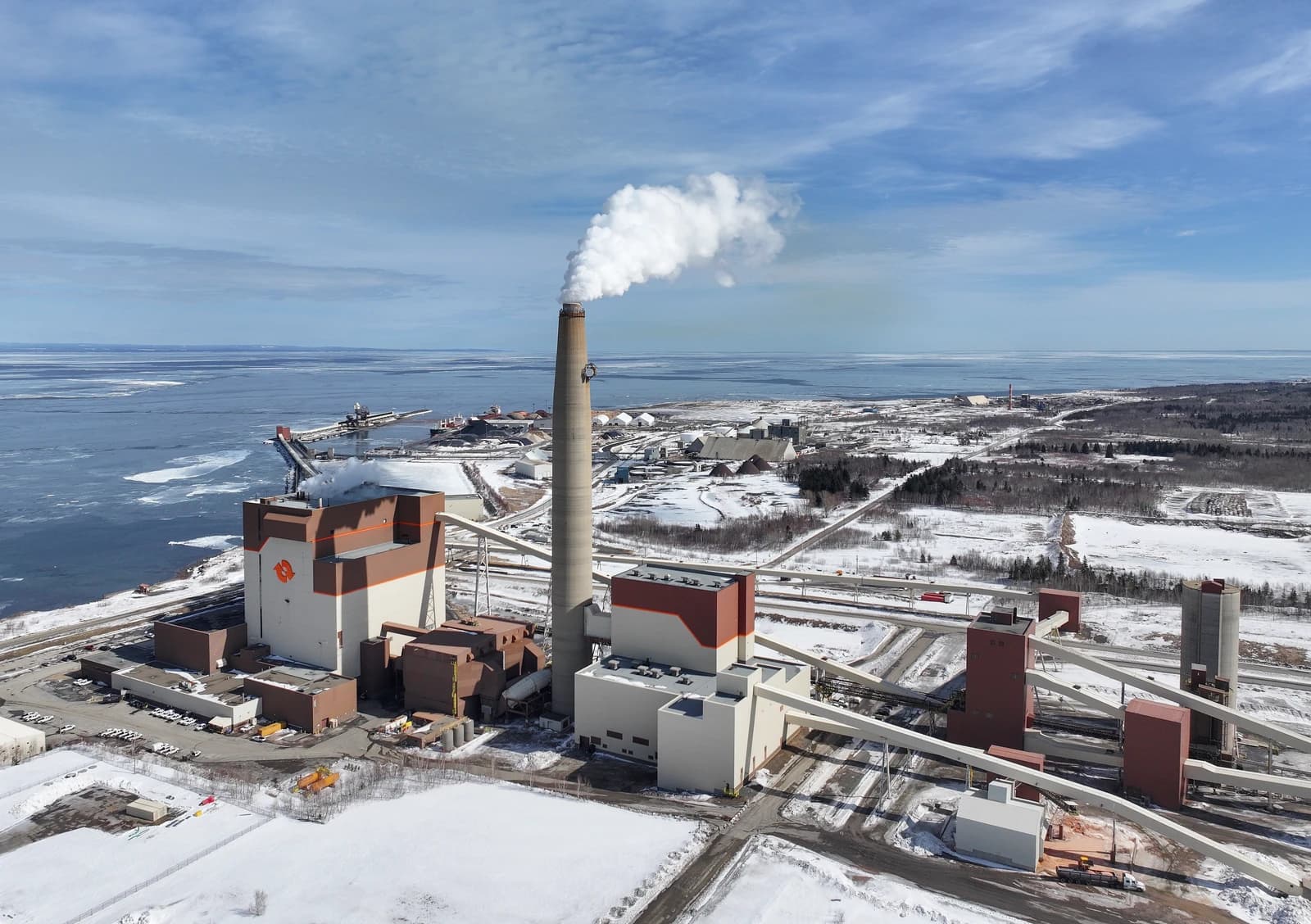
Grassy Mountain is back on Alberta’s political and regulatory agenda, and that matters because the reborn coal project could revive a long-running fight over whether mining jobs and tax revenue can outweigh environmental risk in one of Canada’s most sensitive watersheds.
Northback Grassy Mountain coal mine plan resurfaces
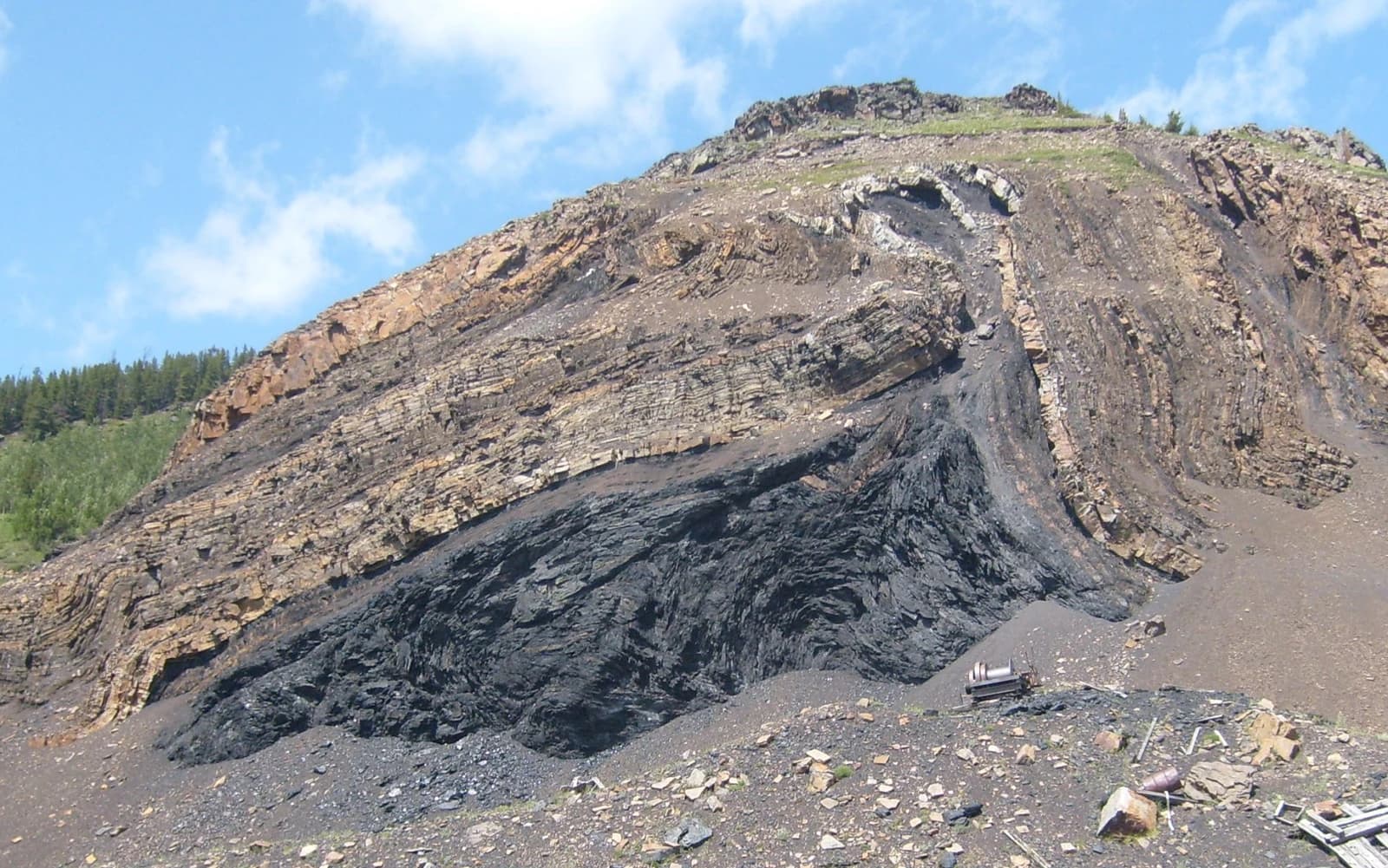
Northback Holdings, the Canadian miner owned by Australian billionaire Gina Rinehart, says it plans to file a scaled-down proposal for the controversial metallurgical coal mine by the end of the year, after the original project was rejected in 2021 when a federal review concluded the environmental risks outweighed the economic benefits. The new version is materially smaller, with the mine footprint cut by more than half to 6,900 acres and expected production reduced to 2.5 million tonnes a year from 4.5 million tonnes in the earlier plan.
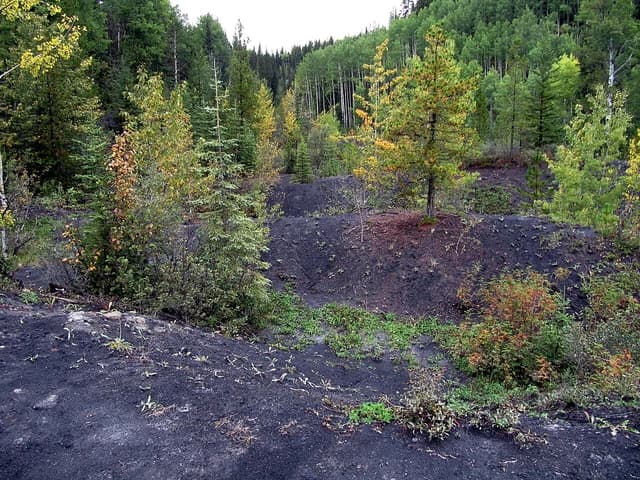
For investors, the significance is bigger than one mine. The project is a case study in how the coal industry is adapting to stay investable in a world that still needs steelmaking coal, even as regulators and communities push back on water quality, land use and reclamation risk. Northback is trying to answer the hardest question in resource development: can a project that was once judged too damaging become acceptable if it is smaller, cleaner and better managed?
The company’s pitch leans heavily on economics. Northback says the mine would generate more than 680 direct jobs in Alberta and 669 indirect jobs, while provincial and federal tax revenue would total about C$2.2 billion over the mine’s 26-year life. Alberta alone would receive C$57 million during construction and roughly C$947 million through operations. Those figures help explain why the project keeps resurfacing, especially in a province that has often viewed resource extraction as a route to growth and royalties.
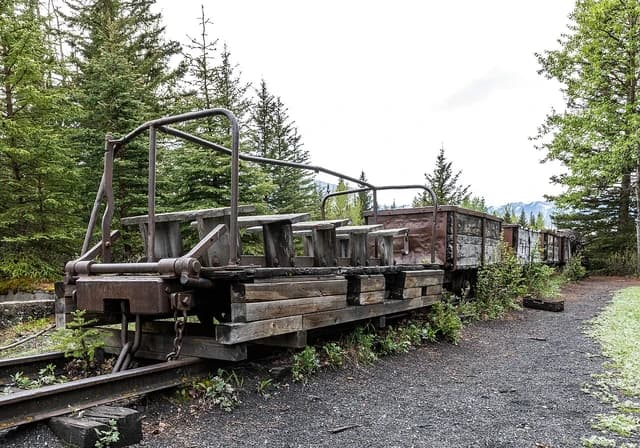
But the environmental objections have not gone away. The biggest concern in the earlier proposal was selenium, a toxic byproduct of coal mining that can contaminate waterways. Northback says the revised plan would include water treatment measures from the start to reduce selenium concentrations, an acknowledgment that any viable path forward will depend on convincing regulators the damage can be contained.
The politics are just as important as the engineering. More than 70% of voters in Crowsnest Pass backed the mine in a 2024 plebiscite, even after an Alberta government poll years earlier found more than 85% of respondents lacked confidence in the regulatory process to ensure safe, environmentally responsible coal development. A citizen petition this year against coal projects on the eastern slopes gathered more than 200,000 signatures, underscoring how deeply divided the region remains.
The Alberta Energy Regulator already approved Northback’s exploratory drilling request in May, a sign the company has not been shut out of the process. That approval does not guarantee a mine permit, but it does show the project is moving through the system again, and that’s enough to keep the debate alive for companies tied to steelmaking coal, local governments weighing jobs against environmental costs, and investors looking for supply in a market that remains supportive of coal demand.
For shareholders in coal names, the broader message is that the sector still has room for selective growth, but only where projects can secure permits and manage environmental liabilities. That favors operators with capital, technical know-how and political patience. It also means the real risk is no longer just commodity prices; it is whether new supply can actually be built.
Grassy Mountain is not a slam-dunk win for Northback, and it may never be. But the fact that it is back in a smaller form tells investors something important: coal is not disappearing on schedule. It is being reshaped, project by project, under pressure from economics, regulation and public opinion. For long-term investors, that makes the story worth watching, not chasing.
| Entity | Gains | Losses |
|---|---|---|
| Northback Holdings | ▲Permitting momentum | ▼Scrutiny over water risk |
| Alberta government | ▲Potential tax revenue | ▼Political backlash |
| Crowsnest Pass supporters | ▲Jobs and local spending | ▼More coal traffic |
| Environmental opponents | ▲Public attention | ▼Mine revival setback |