Indonesia is pitching a Rp2,967.4 trillion green-power buildout as a way to make its exports more valuable, with Energy Minister Bahlil Lahadalia saying global buyers are increasingly favoring products made with cleaner energy over those tied to fossil fuels.
Indonesia green power plan aims to boost exports
The message matters because it ties industrial policy directly to trade competitiveness. For an economy built on commodities and low-cost manufacturing, the shift suggests buyers in developed markets are starting to price carbon intensity into purchasing decisions, not just cost, quality and volume.
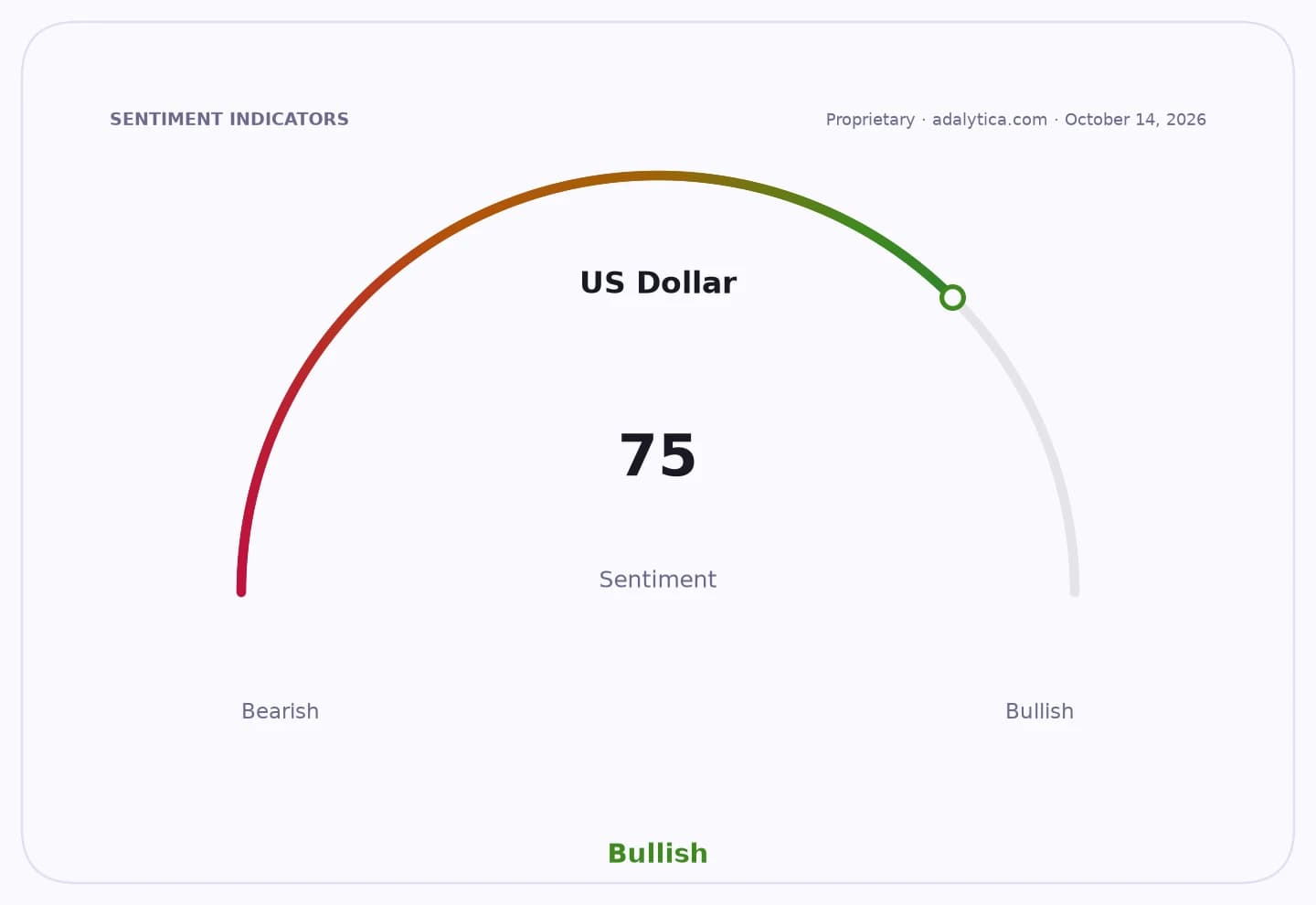
Sentiment IndicatorsⓘProprietary · adalytica.com · October 17, 2026
This is a snapshot — live sentiment, awareness and momentum for 130+ markets update continuously in the dashboard.Open AlphaPulse
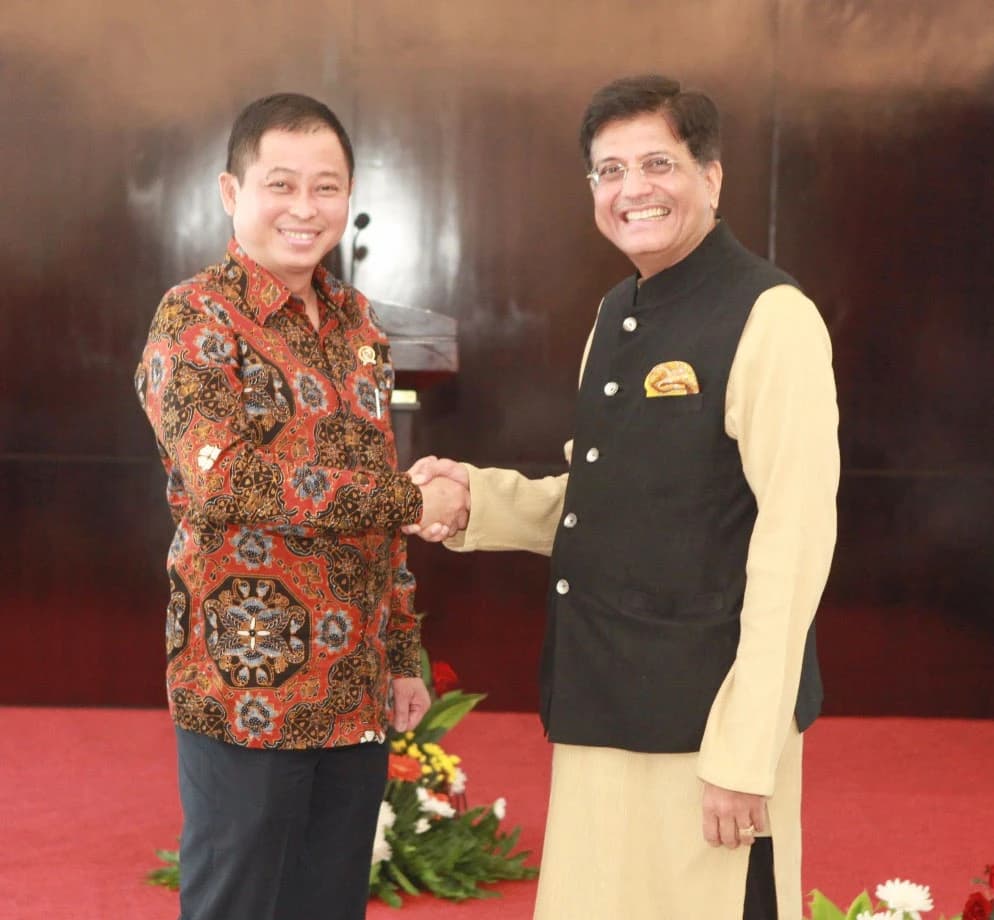
Bahlil, speaking at the opening of Trade Expo Indonesia 2025 in Tangerang on behalf of President Prabowo Subianto, said products made with “green energy” and “green industry” inputs would command higher value in global markets. Indonesia is trying to use that trend to move up the value chain, from exporter of raw materials to supplier of processed goods with cleaner production methods.
The policy backdrop is the country’s 2025-2034 electricity supply plan, or RUPTL, which calls for 69.5 gigawatts of new capacity, of which 42.6 gigawatts, or 61%, would come from renewable sources. The government says the program could draw up to Rp2,967.4 trillion in investment.
Jakarta is also pushing a 100 GW solar buildout linked to grid and storage systems, along with battery manufacturing and bioenergy projects such as B50 biodiesel and E20 ethanol blends. Officials say the solar program could save about Rp73.9 trillion a year and create 5.5 million jobs, while bioenergy could cut foreign-exchange spending by Rp170 trillion and support about 2.1 million jobs.
For investors, the implications extend beyond Indonesia’s utilities and project developers. The push could benefit renewable-energy developers, grid equipment suppliers, battery and storage makers, and industrial companies that can prove lower-emissions production. It also points to long-term demand for capital in power infrastructure, a positive for lenders and contractors if execution holds.
The risk is execution. Indonesia still depends heavily on fossil fuels, and the transition will require faster permitting, grid expansion and private capital if the government wants the export gains Bahlil is promising. The next test will be whether the investment pipeline in the RUPTL turns into financed projects and whether global buyers reward Indonesian goods that can document lower-carbon production.
| Entity | Gains | Losses |
|---|---|---|
| Renewable developers | ▲More project demand | ▼Fossil-fuel generators |
| Grid and storage suppliers | ▲Higher infrastructure spending | ▼Carbon-intensive producers |
| Indonesian exporters | ▲Better product pricing | ▼Low-value commodity sellers |
| Foreign buyers | ▲Lower-carbon supply options | ▼Buyers of higher-emissions goods |