Indonesia’s effort to solve industrial gas shortages is becoming a bigger economic issue because it goes straight to the heart of factory output, investment, and jobs.
Indonesia industrial gas policy and HGBT review
Industry Minister Sarmuji said the government still needs coordination and a shared view across ministries to untangle supply and pricing problems for industrial gas and the regulated price known as HGBT. The comments matter because gas is not just fuel for Indonesian manufacturers — it is also a raw material for key sectors that help drive exports, domestic supply chains and industrial margins.
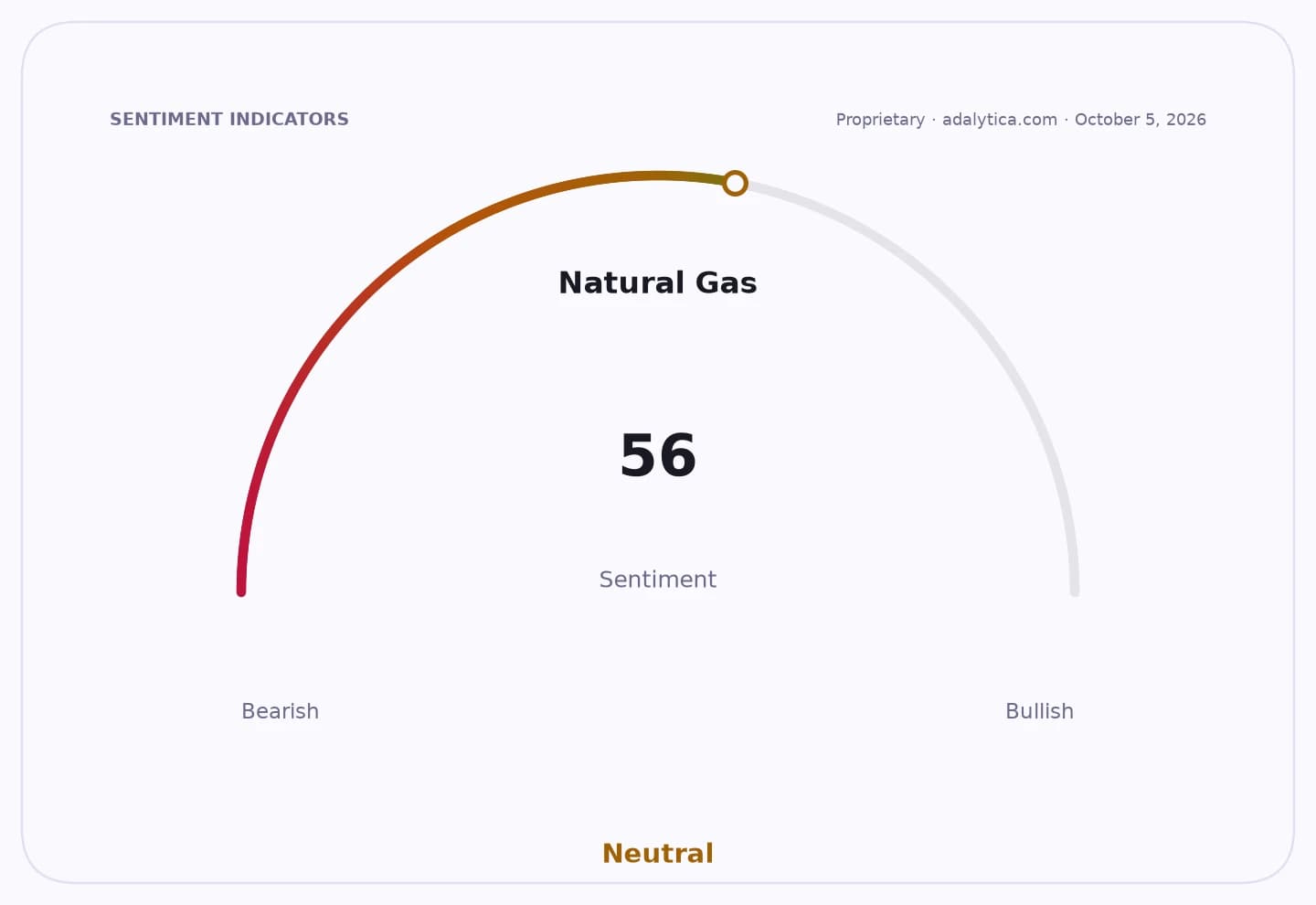
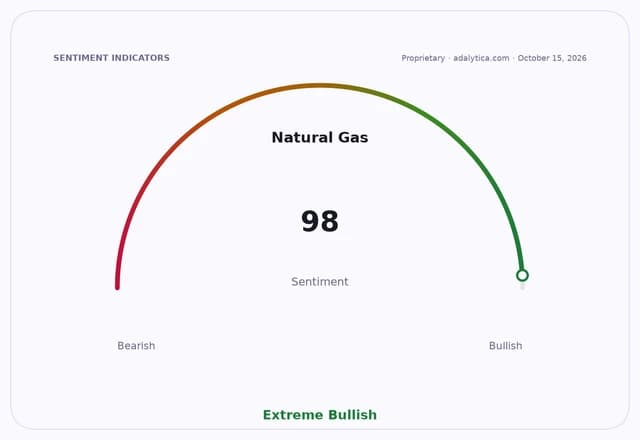
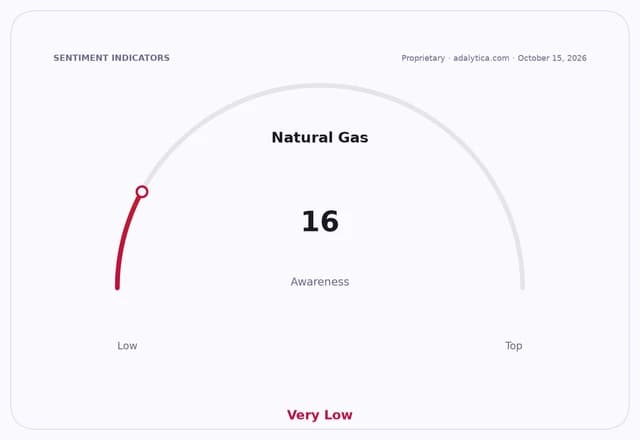
Sentiment IndicatorsⓘProprietary · adalytica.com · October 15, 2026
This is a snapshot — live sentiment, awareness and momentum for 130+ markets update continuously in the dashboard.Open AlphaPulse
That is why business groups are pressing harder. The Indonesian Chamber of Commerce and Industry, or Kadin, has warned that unresolved gas bottlenecks could hurt production, investment and employment, and called for a review of how the country uses its gas resources. The chamber wants the government to consider diverting some export volumes to domestic industry, while still respecting contracts and regulations.
For investors, the stakes go beyond a single policy file. Cheaper and more reliable gas would support margins for industrial users, lower the risk of shutdowns and make Indonesia a more attractive place to build capacity. That would be especially important for sectors where energy costs are a large share of total expenses, and where even small changes in feedstock pricing can swing profitability.
The minister’s remarks also underscore how policy uncertainty can become an economic drag in itself. He said the government is waiting for a presidential decree on a new coordinating ministry structure, with the possibility that the issue may fall under a downstreaming ministry. In practical terms, that means businesses may have to wait a bit longer for a clearer chain of command before a durable fix emerges.
The broader backdrop is a regional and global gas market that remains sensitive to supply disruptions and pricing swings. When industrial gas is tight, the winners are usually upstream suppliers and exporters; the losers are manufacturers that need predictable feedstock costs to stay competitive. That tension is why the debate is so persistent, and why it matters well beyond Jakarta.
For long-term investors, the takeaway is simple: Indonesia’s gas policy is not just a utility issue, it is a competitiveness issue. If the government can align ministries and secure supplies, industrial activity should benefit. If not, the pressure on margins and new investment could linger. Worth watching.
| Entity | Gains | Losses |
|---|---|---|
| Industrial gas suppliers/exporters | ▲Higher pricing power | ▼Less domestic allocation |
| Indonesian manufacturers | ▲Lower costs, steadier supply | ▼Higher input costs, outages |
| Indonesian government | ▲Industrial credibility if resolved | ▼Political pressure if delays persist |
| Investors in local industry | ▲Better margins and growth | ▼Policy uncertainty and valuation risk |