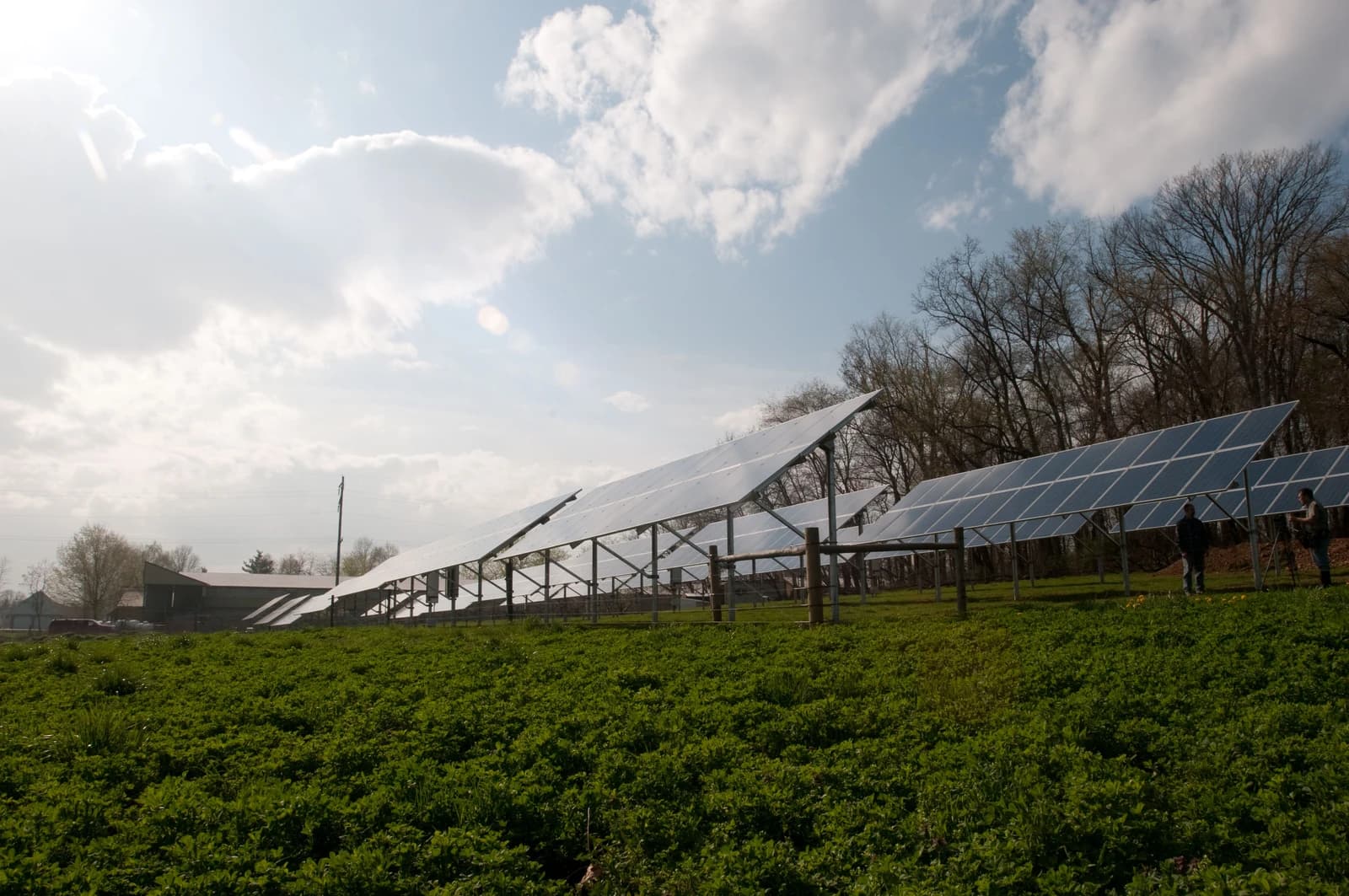
Indonesia’s energy ministry has opened the door to a far-reaching rethink of state utility PLN’s business model, a move that could accelerate the rollout of as much as 100 gigawatts of solar capacity and reshape how the country pays for power.
Indonesia reviews PLN model for 100 GW solar buildout

The review matters because Indonesia is weighing a transition from a centralized, utility-led electricity system toward one that can absorb far more distributed and utility-scale renewable generation. If the government pushes PLN to accommodate a wave of solar projects, it would affect tariffs, grid investment, project financing and the pace at which private capital can enter the power market. For investors, that is not just a policy headline: it changes the revenue framework for the dominant buyer of electricity in Southeast Asia’s largest economy and may determine whether clean-energy developers can scale profitably.
The prospect of 100 GW of solar is significant in a country whose power sector has long been built around fossil fuels and a vertically integrated utility model. Such a buildout would imply major spending on transmission, balancing capacity and grid modernization, while also raising questions over who bears the cost of intermittency and system upgrades. In the near term, that could pressure PLN’s cash flow and balance sheet if tariff reform or state support does not keep pace. In the longer term, however, a more flexible PLN could unlock a lower-carbon generation mix, reduce exposure to fuel-price volatility and improve Indonesia’s energy security.
For listed names tied to the transition, the policy direction is potentially constructive. Renewable developers, equipment suppliers and project financiers would benefit if the government provides clearer rules, bankable power-purchase terms and faster permitting. The flip side is that conventional generators, coal-linked supply chains and investors depending on PLN’s current demand structure could face slower growth or margin pressure if solar displaces thermal output more quickly than expected.
Market action in Indonesia-linked equities suggests traders are already discounting a policy shift, but the move has also been volatile, reflecting uncertainty over implementation. Indonesia Energy Corp. shares have swung sharply over recent months, while related clean-energy names such as PN Smart Energy have also seen outsized trading spikes, underscoring how sensitive the sector is to policy headlines and financing terms. Technical indicators on both names show the kind of post-rally consolidation that often follows speculative runs, with INDO trading below its 200-day moving average and PN far below its longer-term trend, a sign that investors remain cautious about whether policy enthusiasm will translate into durable earnings.
The key question now is whether the review produces a credible framework for PLN to integrate large-scale solar without undermining service reliability or burdening the state with higher subsidy needs. If officials back tariff reform, grid spending and clearer procurement rules, Indonesia could become one of Asia’s more important renewable markets. If not, the 100 GW target risks remaining an aspirational figure rather than an investable pipeline.
| Entity | Gains | Losses |
|---|---|---|
| Solar developers | ▲Bigger project pipeline | ▼Policy uncertainty |
| PLN | ▲Grid modernization mandate | ▼Pressure on existing model |
| Coal-linked power suppliers | ▲None | ▼Slower demand growth |
| Investors in transition plays | ▲Potential rerating | ▼Execution and financing risk |