Solar power is moving from an expensive upgrade to a monthly household expense that looks a lot like a power bill, and that shift could accelerate India’s rooftop solar rollout far faster than many investors expect.
India Rooftop Solar Scheme Boosts Household Installations
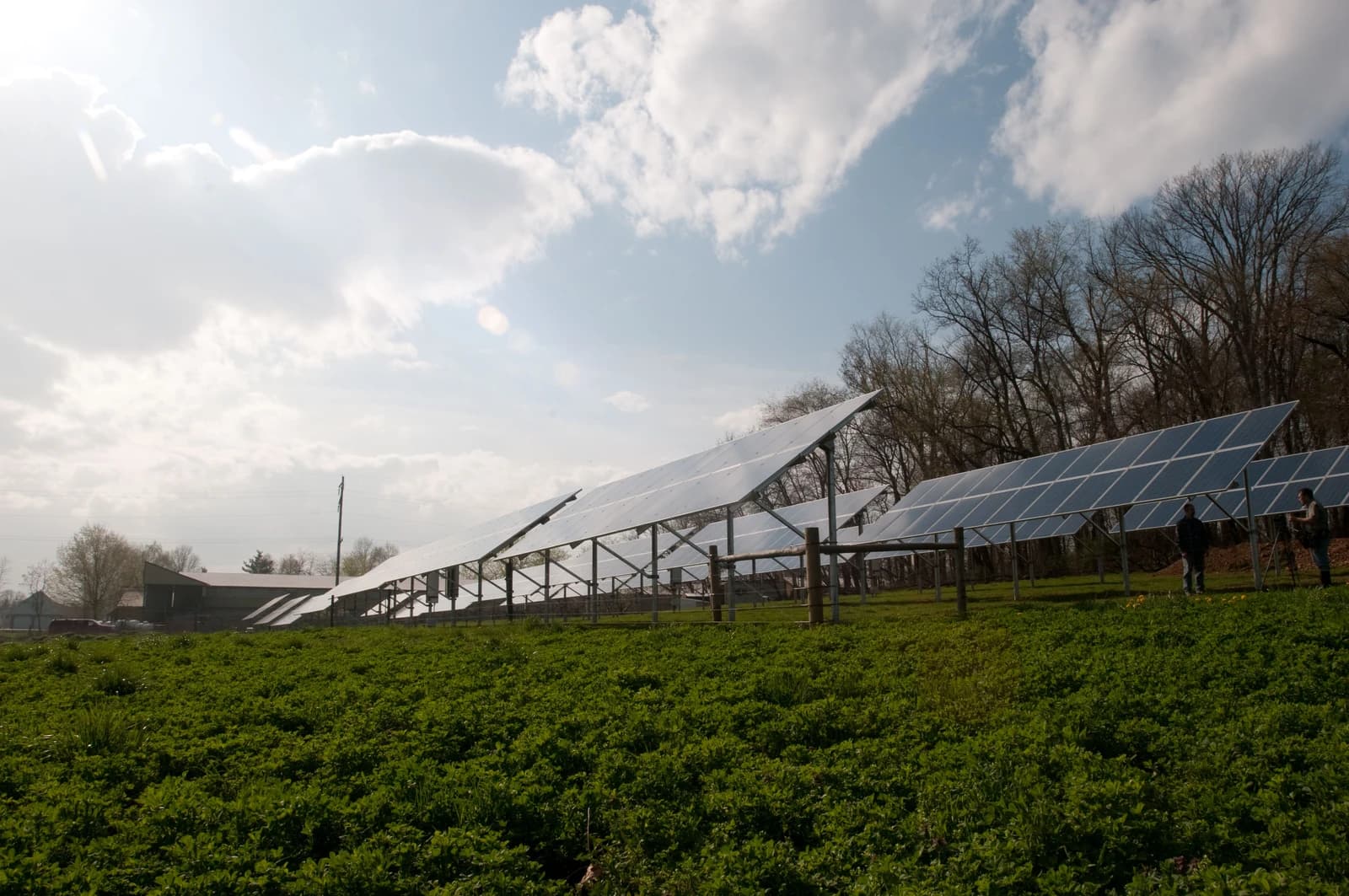
The key development is not the panels themselves, but the financing. Under the PM Surya Ghar Muft Bijli Yojana, households can install rooftop solar with low-interest bank loans, no collateral and government subsidies that meaningfully cut upfront costs. For a 1-kilowatt system, the monthly payment can be about Rs.827; for 2 kilowatts, roughly Rs.1,422; and for 3 kilowatts, around Rs.2,039 to Rs.2,150 depending on the loan structure. In other words, the market is being converted from a capital-purchase decision into an affordability decision.
That matters economically because electricity inflation has become a household pain point, especially for India’s middle class and lower-income consumers. When monthly bills rise, rooftop solar becomes a hedging tool as much as an energy investment. The government is effectively subsidizing the shift from paying utility tariffs to paying down an asset that can slash future bills. For households, the math is simple: a Rs.900-ish EMI can replace a recurring power bill and eventually fall away once the loan is repaid, leaving the customer with lower structural energy costs.
The scale already matters. The ministry says the scheme had drawn more than 8.5 million applications by Sept. 24, 2026, with about 4.9 million installations completed, 5.87 million households benefited and 17,339.41 MW of rooftop capacity added. More than Rs.32,807 crore in subsidies has been released. That is not a pilot program. It is a demand engine.
For investors, this is where the opportunity gets asymmetric. The big trade is not just on solar installers; it is on the entire financing-and-distribution stack that turns subsidies into installed capacity. Residential solar adoption in India should support demand for panels, inverters, racking, wiring, installation services, monitoring software and maintenance. It also strengthens the case for global module makers and equipment suppliers exposed to India’s rooftop buildout, including First Solar, Enphase Energy and SolarEdge Technologies, even if the market has punished solar stocks on fears about subsidies, margins and demand cyclicality.
The policy backdrop is especially important because it reduces one of the biggest barriers to residential solar everywhere: upfront cost. The scheme’s low interest rate, set at repo plus 50 basis points, and 10-year repayment window are the kind of terms that can unlock a much broader consumer base than a cash-only market ever could. That is why this story matters beyond India. If the model works at scale, it offers a blueprint for other emerging markets where high power costs and weak grid reliability make rooftop solar a practical necessity.
The stock tape shows just how nervous investors remain. First Solar has fallen to about $176 from recent highs above $284, while Enphase has dropped to roughly $33 from this year’s peak near $72 and SolarEdge to about $32 from more than $78. Technical indicators remain weak across the group, with prices below the 200-day moving average and RSI readings still depressed. That tells me the market is still pricing solar as a cyclical trade, not a multi-year infrastructure and affordability transition.
I believe that is the mistake. Residential solar in India is not a one-quarter story; it is a long-duration adoption curve backed by policy, consumer economics and financing. As more households realize that their EMI can be cheaper than their bill, rooftop solar becomes a consumer product with recurring demand, not a niche clean-energy purchase.
The takeaway for investors is straightforward: the companies that help households turn subsidized loans into installed rooftop capacity are the ones most likely to benefit from this inflection point. The market is underestimating how quickly “no more current bill tension” can become a durable demand trend.
| Entity | Gains | Losses |
|---|---|---|
| Indian households | ▲Lower power bills | ▼Upfront cash burden |
| Rooftop solar lenders | ▲Loan growth | ▼Traditional utility demand |
| Solar equipment makers | ▲Higher installation demand | ▼Weak order visibility if subsidies fade |
| Utilities | ▲Grid relief from distributed generation | ▼Retail electricity sales |