Solar panels can cut household electricity bills by more than 1,000 euros a year in parts of Europe, underscoring why rooftop solar remains one of the fastest ways to ease pressure on families hit by high power prices.
Europe rooftop solar savings study on household bills
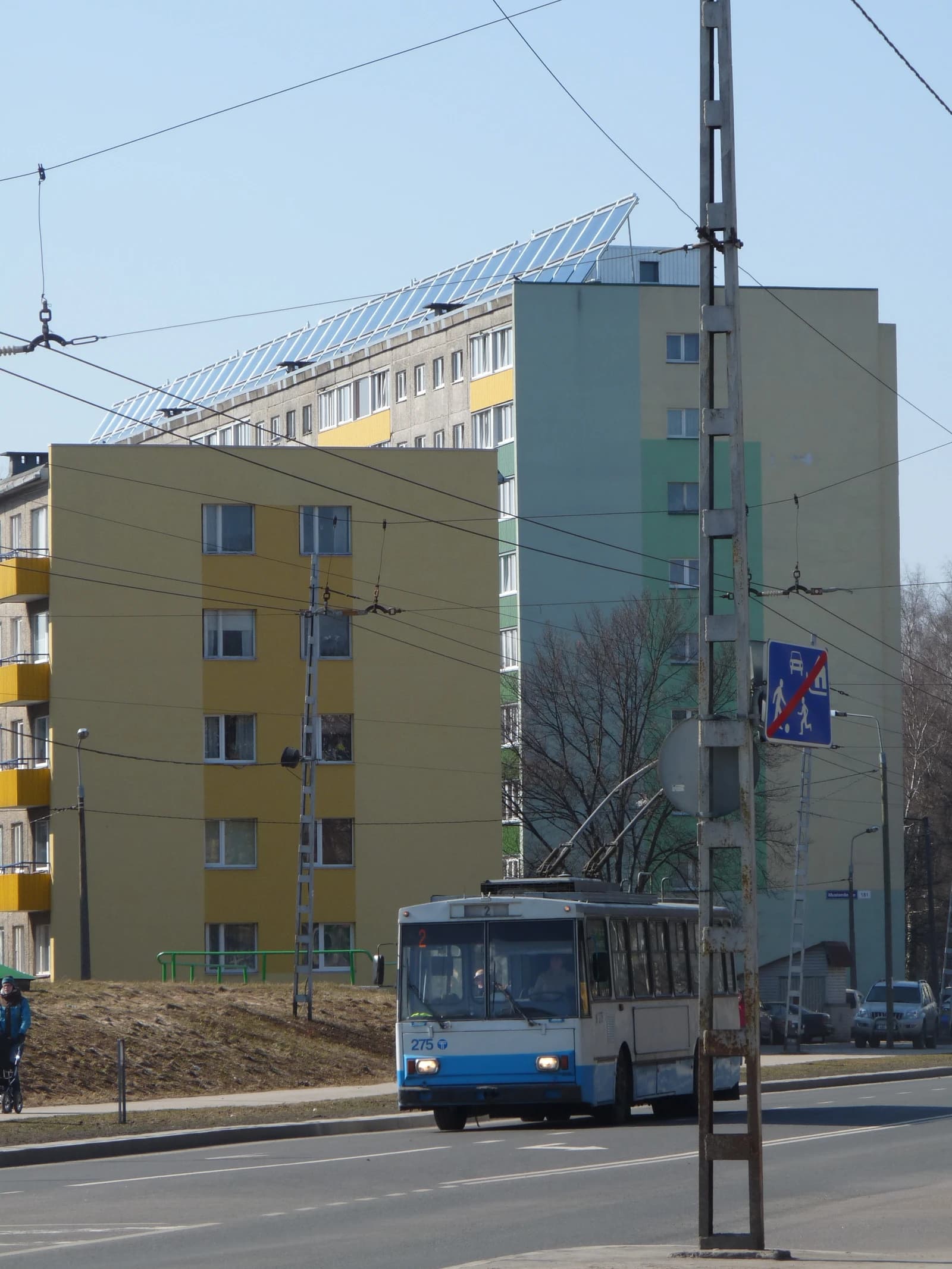
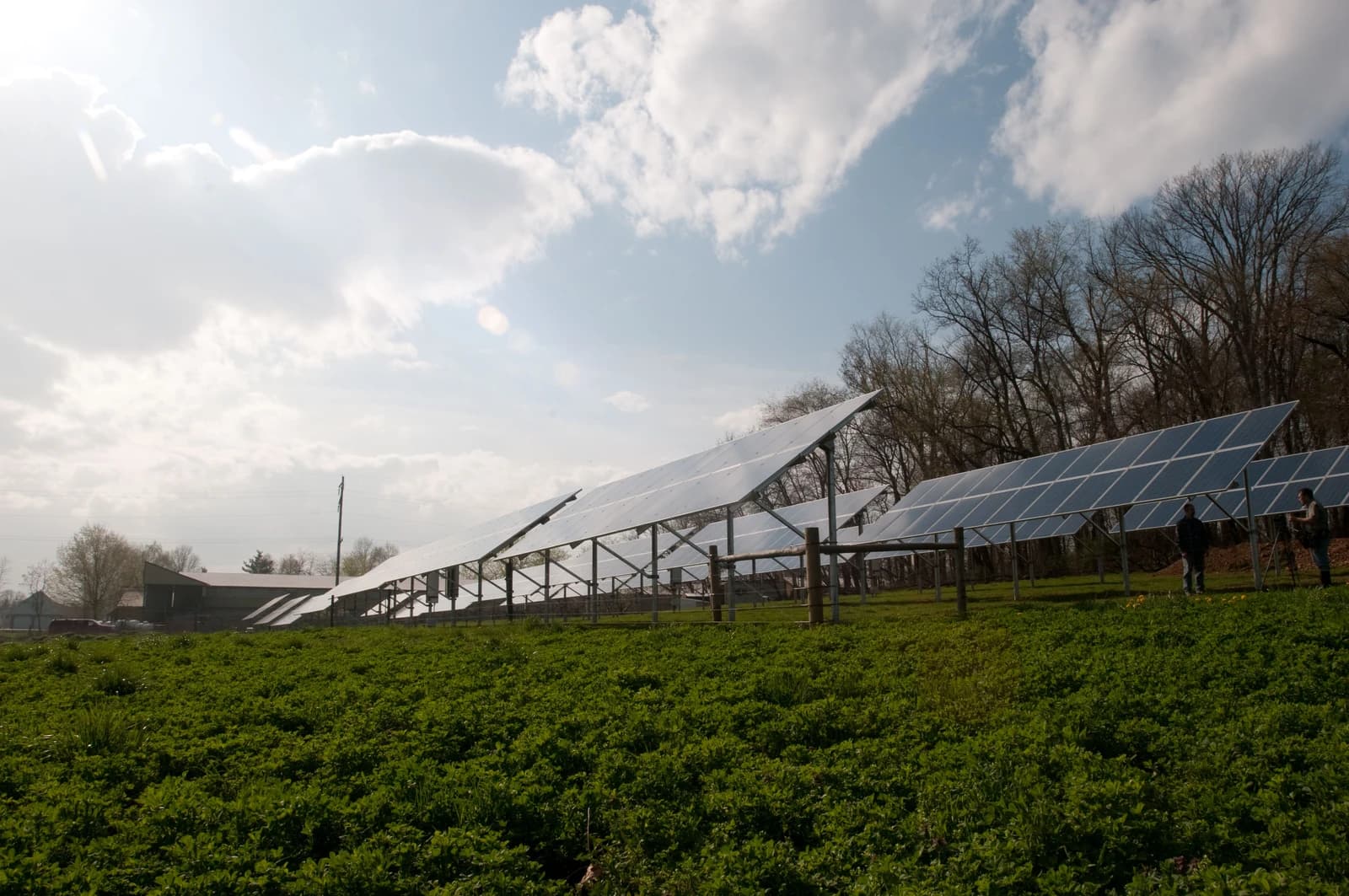
A study by solar software company GreenSketch, based on more than 15 million UK homes, found that an optimized rooftop system with batteries could save the average household about 1,100 euros a year — a “solar salary,” in the company’s framing. Even in Scotland, Wales and Northern Ireland, average savings were still above 930 euros, challenging the assumption that solar only pays in sun-drenched southern markets.
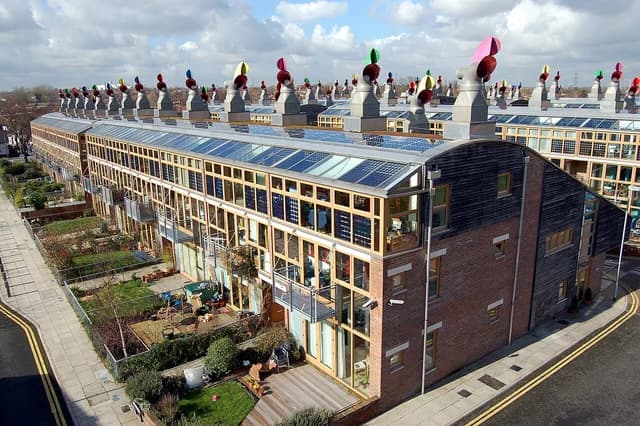
That matters because the economics of residential solar are being driven less by sunshine alone than by electricity tariffs, roof orientation, household usage patterns, battery storage and the value of feeding power back to the grid. In other words, cloudy weather does not eliminate the case for solar; it mainly changes how much households can save and how quickly they can recover installation costs.
The timing is important for Europe, where energy bills remain a political and consumer flashpoint. The study argues that roof space is still vastly underused: only one in 10 European roofs currently has solar panels, according to the European Commission’s Joint Research Centre. Yet the JRC has said rooftop systems could eventually supply 40% of the EU’s long-term electricity needs by 2050, and in Finland and Denmark, non-residential roofs alone could deliver most of the capacity targeted for 2030.
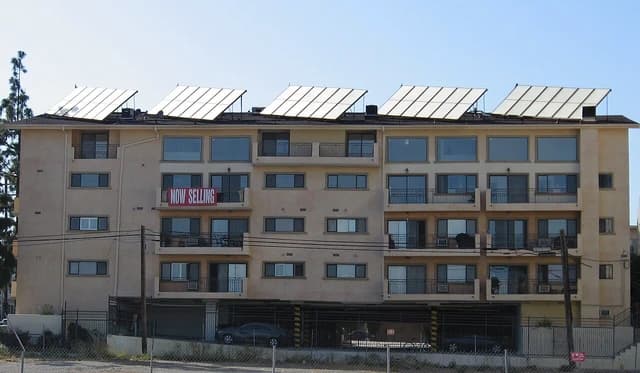
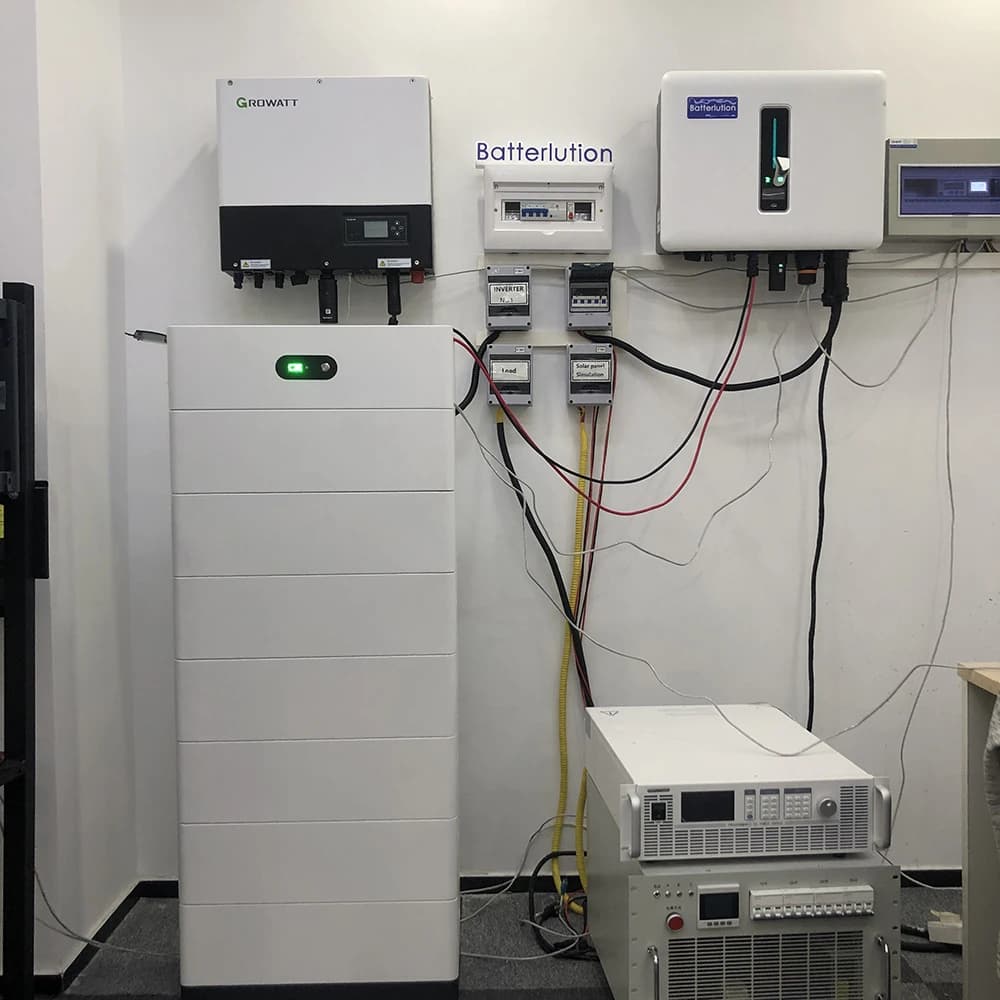
For investors, the message is twofold. First, the addressable market for rooftop solar and storage remains large even in lower-irradiance regions, supporting demand for installers, inverter makers and panel suppliers if financing and policy conditions hold. Second, the industry’s economics are increasingly tied to batteries and self-consumption, not just module efficiency, favoring companies that can package generation, storage and software into a single offering.
The study also helps explain the gap between consumer interest and deployment. Energy Saving Trust says a typical UK system can pay for itself in 10 to 12 years, a long but increasingly manageable horizon when power prices are elevated and battery-backed systems improve returns. But upfront costs, regulatory uncertainty and weak consumer purchasing power still slow adoption.
For the listed solar names, the backdrop is supportive but uneven. First Solar, Enphase Energy and SolarEdge Technologies have all faced the sector’s familiar combination of demand volatility, channel stress and policy risk. Yet a durable shift toward residential storage and self-consumption in Europe would help stabilize end demand over time, particularly if governments keep pushing for lower household energy bills and grid resilience.
The investment case now depends less on whether solar works in cloudy climates — it clearly does — and more on how quickly households, utilities and policymakers convert that technical viability into installed systems. If Europe can close the gap between potential and penetration, rooftop solar could become not just an environmental story, but a meaningful consumer savings engine and a long-duration growth market for the sector.
| Entity | Gains | Losses |
|---|---|---|
| Homeowners | ▲Lower electricity bills | ▼Upfront installation cost |
| Solar installers and storage providers | ▲Bigger addressable market | ▼Slower adoption if financing tightens |
| Utility retailers | ▲Less peak demand stress | ▼Lower household power sales |
| Panel makers and inverter firms | ▲Higher long-term demand | ▼Margin pressure if competition remains intense |