A retrofitted housing estate in Bolzano, Italy, is a small but telling example of a much bigger investing theme: the push to make aging buildings more energy efficient is creating durable demand for wall insulation, façade systems and related materials.
Sto Bolzano retrofit shows insulation demand
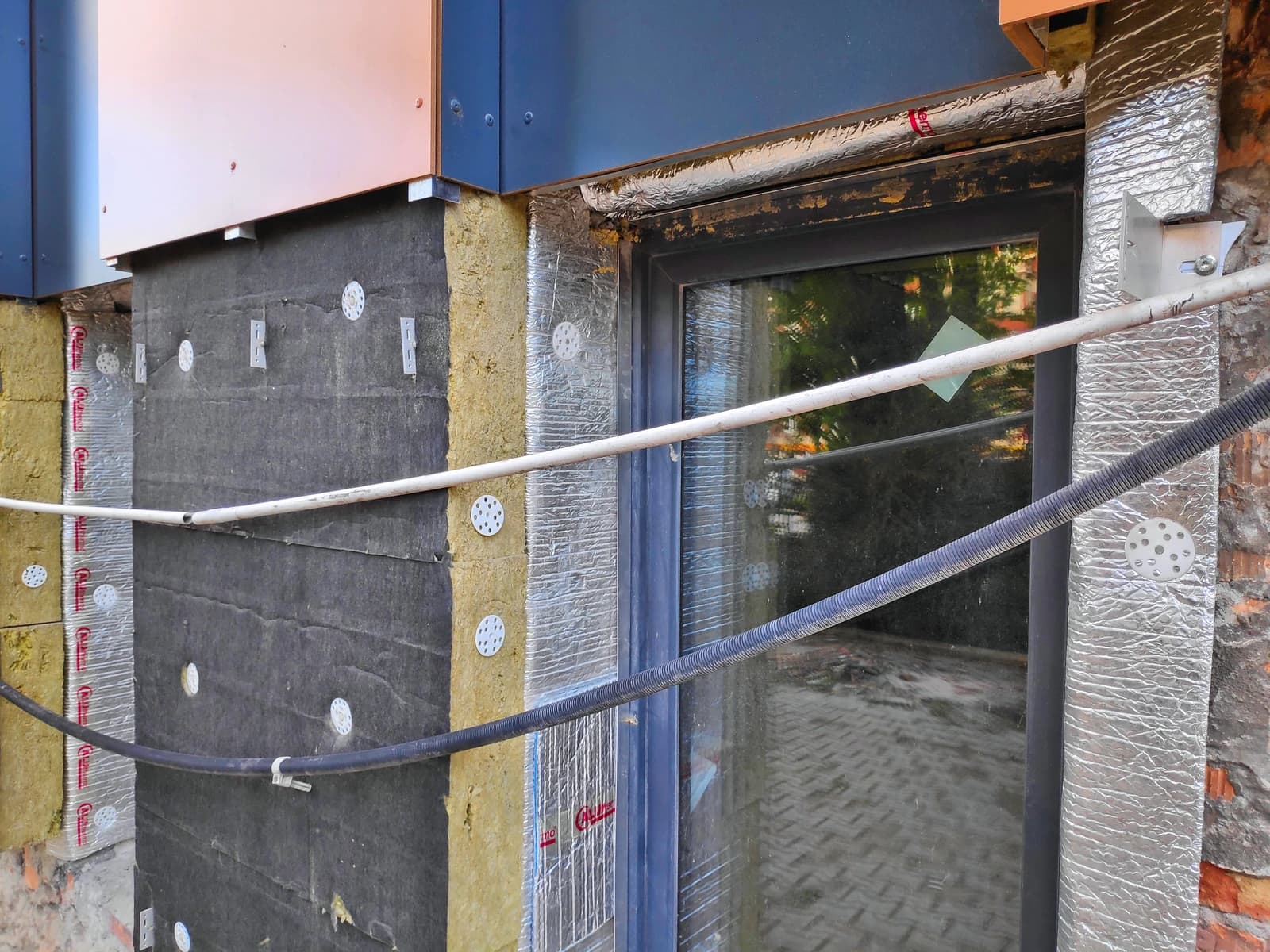
Sto’s StoTherm system was used on the project, which refurbished 1950s residential blocks and paired a new building envelope with a vertical extension. The result was not just a cosmetic upgrade. Energy use was cut by 40% to 60%, the buildings moved from CasaClima class G to A, and 14 new homes were added on top of the original estate.
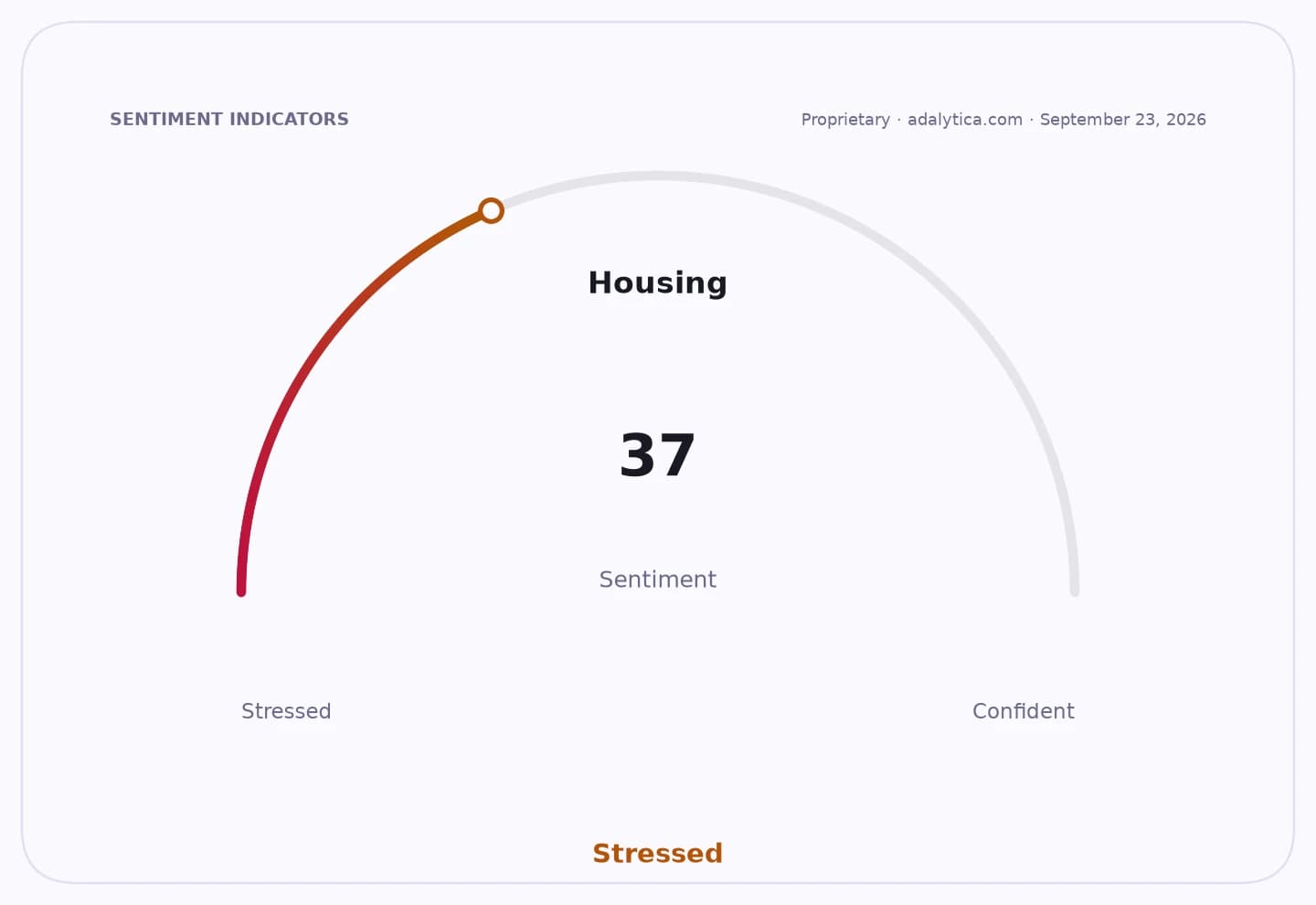
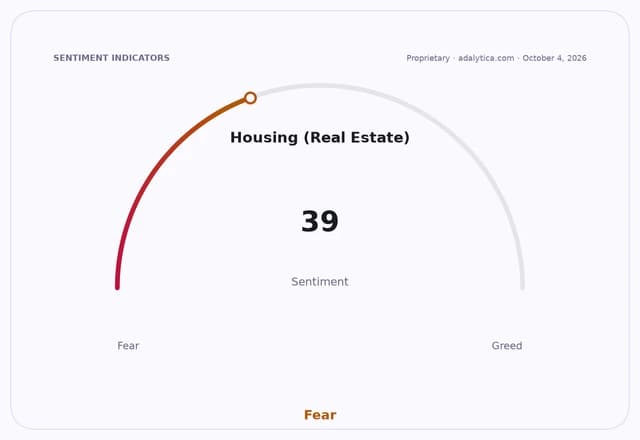
Sentiment IndicatorsⓘProprietary · adalytica.com · October 4, 2026
This is a snapshot — live sentiment, awareness and momentum for 130+ markets update continuously in the dashboard.Open AlphaPulse
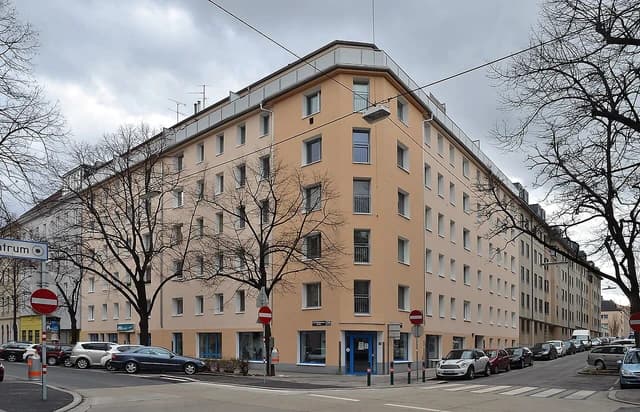
That matters because Europe’s housing stock is old, energy-hungry and expensive to operate. As governments, landlords and homeowners look for ways to lower bills and meet tighter efficiency standards, external wall insulation becomes less of a niche product and more of a long-duration replacement cycle. These are the kinds of projects that can repeat for years: a façade renovation today, another block tomorrow, then a whole portfolio over time.
For Sto, the message is straightforward. External wall insulation is not only about thermal performance. It is also about design flexibility, urban renewal and the ability to add value to existing assets without rebuilding from scratch. In Bolzano, cross-laminated timber panels were used for the extra floor, while the insulation layers and render systems helped unify the old and new structures into one cohesive façade.
That combination is important for investors watching the building-products space. Demand tied to new construction can be cyclical and sensitive to interest rates, but retrofit work has a different profile. It is backed by regulation, energy economics and municipal pressure to preserve housing supply. As long as Europe keeps chasing lower emissions and lower utility costs, suppliers with proven façade and insulation systems should have a long runway.
The opportunity is bigger than one project, though execution still matters. Retrofit economics depend on labor costs, materials pricing and local permitting, and not every market will move at the same pace. But projects like Bolzano show how owners can improve energy performance, refresh aging stock and add housing capacity at the same time.
For long-term investors, that makes wall insulation and façade renovation a theme worth watching, especially if you want exposure to housing efficiency without betting on one homebuilder cycle. The compounding case is simple: more regulations, older buildings and higher energy-awareness tend to mean more retrofits over time.
| Entity | Gains | Losses |
|---|---|---|
| Sto | ▲Higher retrofit demand | ▼Commodity pricing pressure |
| Property owners | ▲Lower energy bills | ▼Upfront renovation costs |
| Residents | ▲Better comfort, more housing | ▼Disruption during works |
| Competitors reliant on new builds | ▲Less retrofit share | ▼More cyclical demand exposure |