AI servers are now moving faster than the electrical and cooling systems that were built to serve them, turning data center retrofits into a race to repack fixed utility capacity into far fewer, far denser racks.
Equinix, Digital Realty Face AI Retrofit Bottlenecks
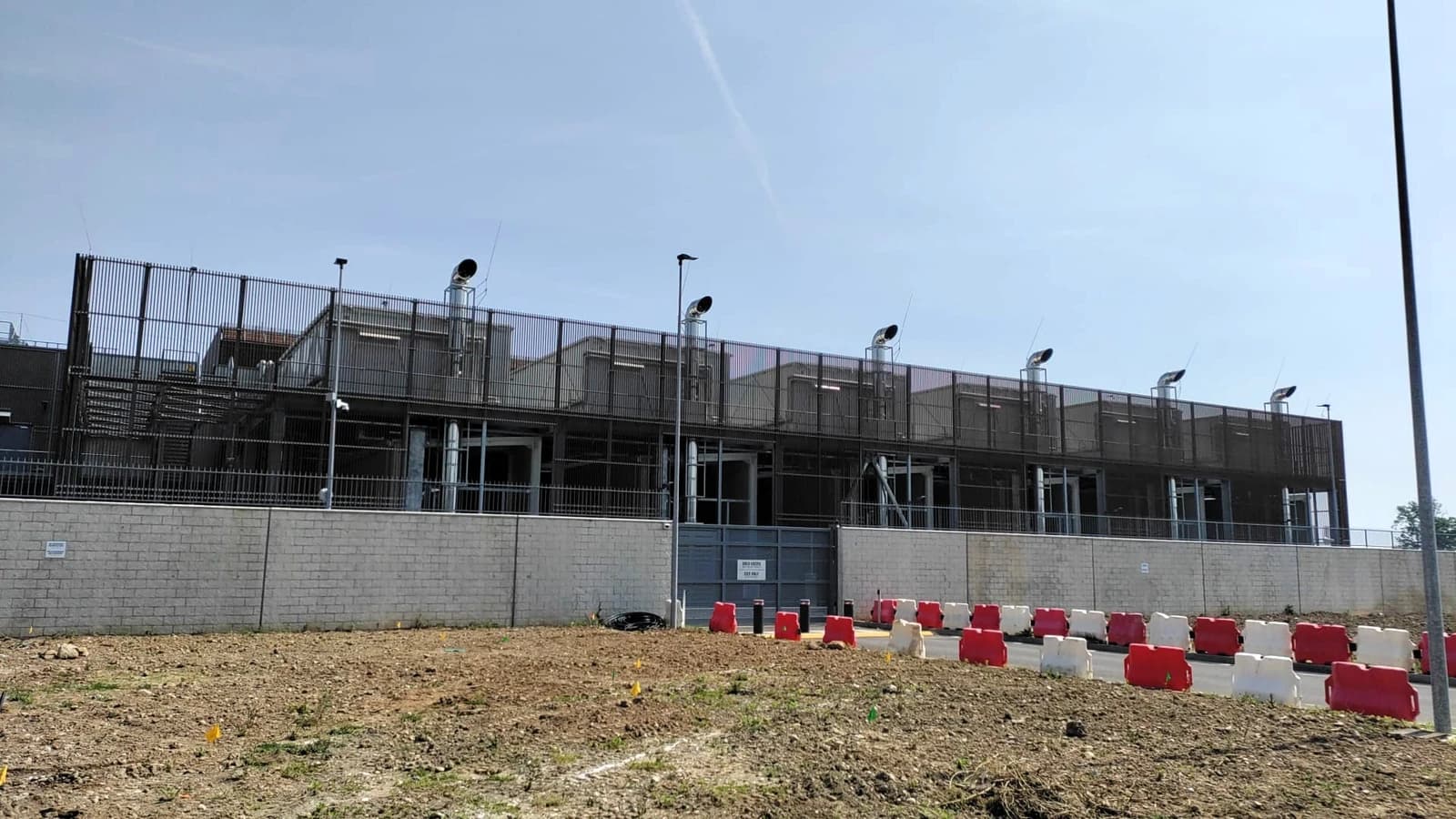
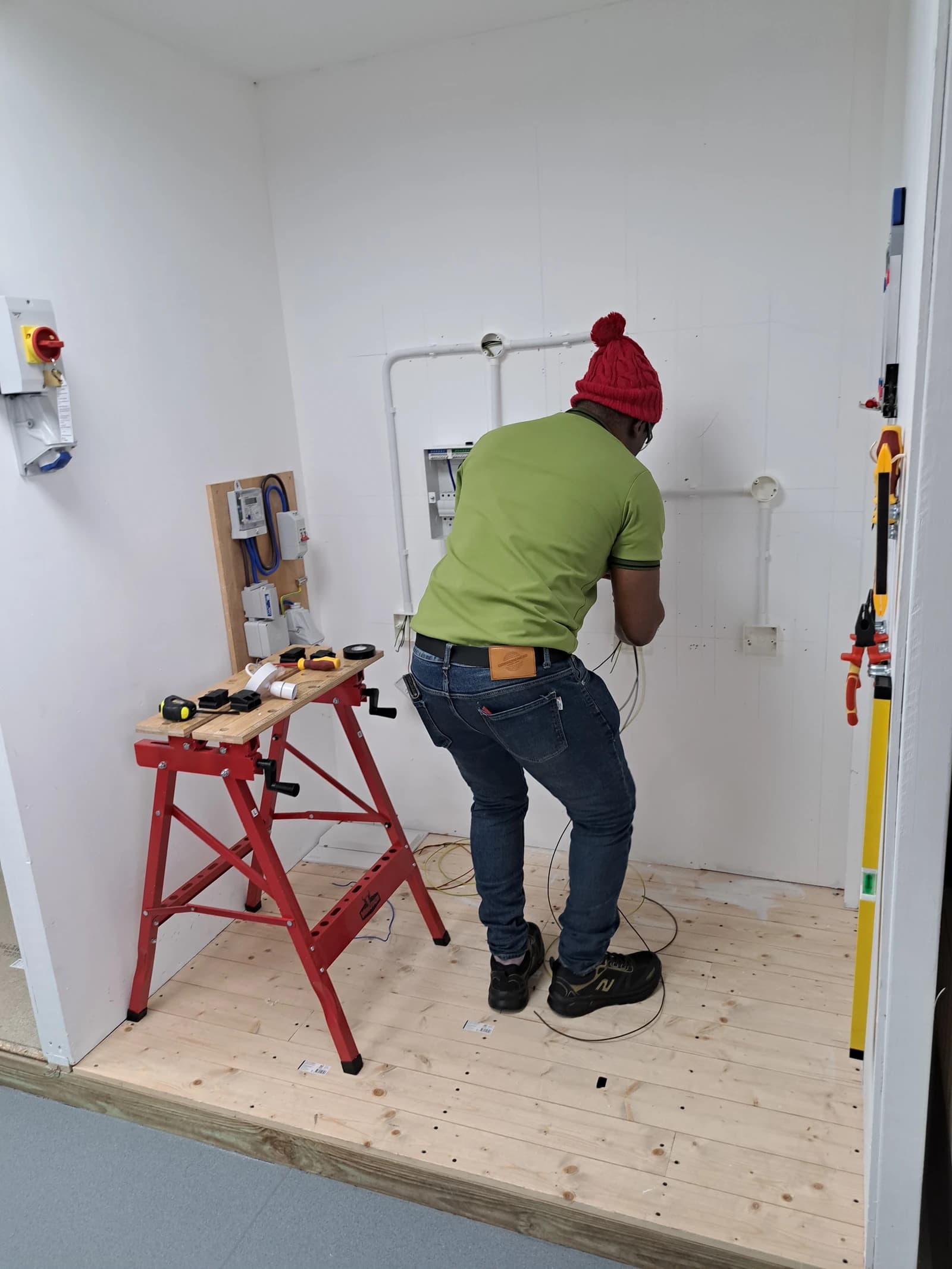
That shift matters because the bottleneck is no longer just access to power from the grid; it is the distribution gear inside the building, where legacy busways, breakers, switchboards and cooling loops were sized for 10kW to 30kW cabinets, not 100kW to 300kW AI racks. Operators can often keep the utility feed unchanged, but they must rebuild much of the downstream infrastructure while revenue-generating facilities stay live. That makes upgrades slower, costlier and riskier, while also stranding capacity that has already been contracted and paid for but cannot be delivered to the rack.
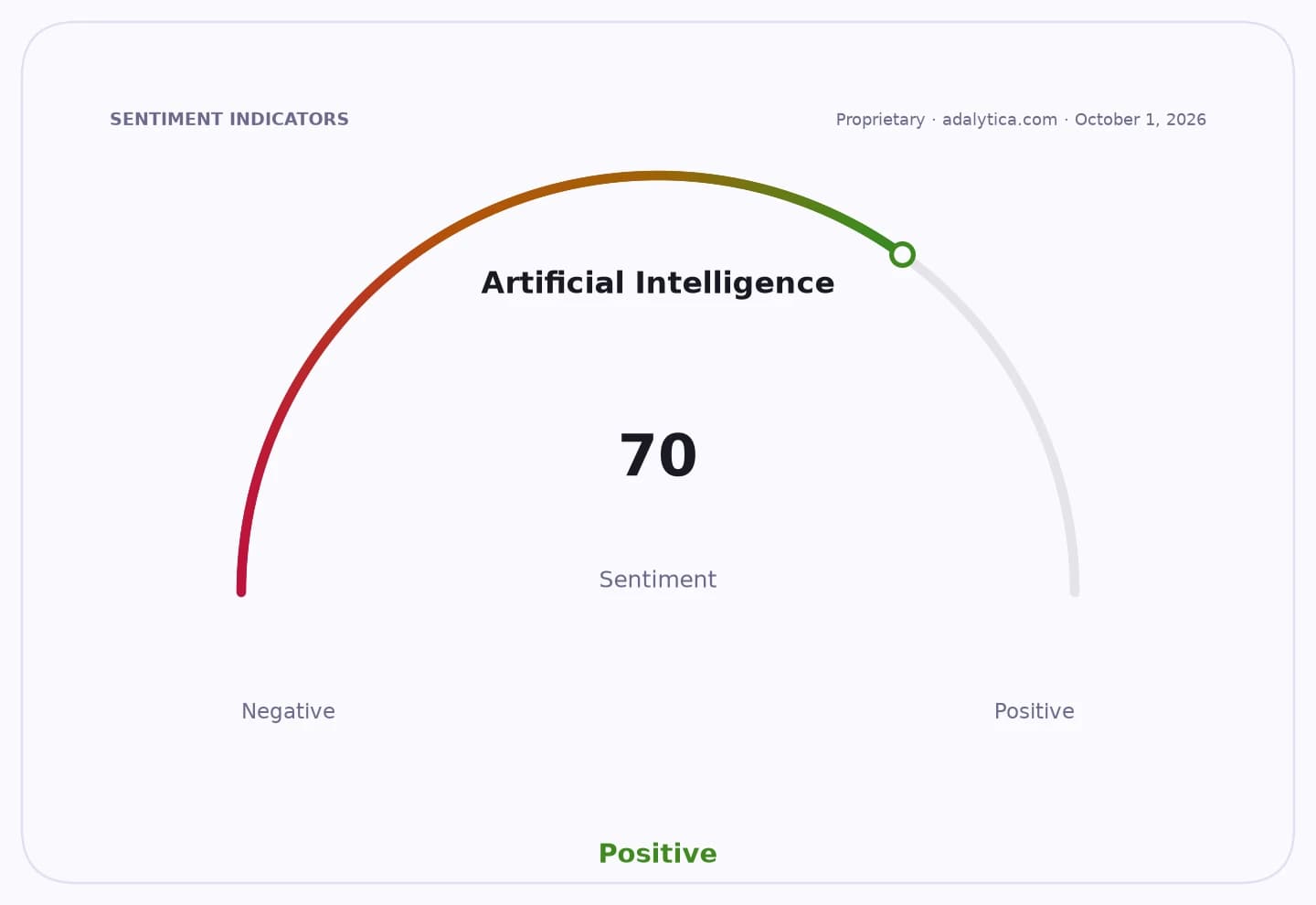
Sentiment IndicatorsⓘProprietary · adalytica.com · October 2, 2026
This is a snapshot — live sentiment, awareness and momentum for 130+ markets update continuously in the dashboard.Open AlphaPulse
The economics are straightforward. A 100kW rack at 415V three-phase draws about 139 amps, versus roughly 278 amps at 208V, the voltage still common in older US halls. Legacy branch circuits that once served a cluster of low-density cabinets cannot absorb that load, forcing higher-amperage feeds, bigger breakers and in many cases replacement switchgear rather than a simple retrofit. The problem compounds because more copper is not always the answer: conduit fill, ampacity derating, voltage drop and space constraints in crowded cable paths quickly turn incremental work into partial demolition.
For landlords such as Equinix and Digital Realty, the opportunity is to monetize stranded power by converting older sites into AI-ready capacity. Their portfolios are positioned to benefit if they can deliver the high-density footprints hyperscalers and enterprise customers now want. But the same trend raises execution risk: a building that is power-rich but distribution-poor can still miss demand if it cannot reconfigure fast enough, and the work often has to be done without taking the site offline. That raises capex, lengthens payback periods and increases the chance of service interruptions during cutovers.
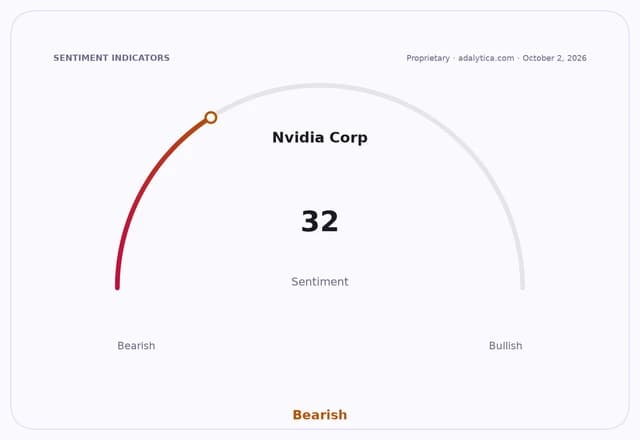
The market has already started pricing in that scarcity value. Equinix shares closed at $1,023.20 on Oct. 2, above both its 50-day and 200-day moving averages, while Digital Realty finished at $177.80, near its 200-day average but below its 50-day line. Vertiv, which sells the electrical and thermal infrastructure needed to support denser AI racks, has had the strongest re-rating, closing at $252.21 after a much larger run earlier in the year. The stock’s momentum reflects investor conviction that the retrofit wave will translate into orders for switchgear, PDUs, busway, cooling and power electronics.
That is also why the supplier chain matters. The retrofit problem is pulling demand toward companies that can deliver higher-voltage distribution, liquid cooling and power-management hardware, with Eaton, Vertiv and network-equipment players such as Arista all exposed to the buildout. The bull case is that AI capex keeps forcing upgrades across the entire electrical stack; the bear case is that utility constraints, permitting delays and standards ambiguity slow deployments before operators can convert theoretical capacity into billable cabinets.
The bigger narrative is that AI infrastructure is shifting from a land-and-power story to a reconstruction story. The winning assets will be the data centers that can be rebuilt in phases, at higher voltage, with enough headroom in conduits, breakers and cooling to survive the next density jump. The losers will be the buildings that still look well supplied on paper but cannot move power where the chips now need it.
| Entity | Gains | Losses |
|---|---|---|
| Equinix | ▲Higher-density retrofit demand | ▼Older halls with stranded capacity |
| Digital Realty | ▲AI-ready colocation pricing power | ▼Slow, costly cutovers |
| Vertiv | ▲Orders for power and cooling gear | ▼Customers delaying upgrades |
| Legacy infrastructure owners | ▲Replacement capex cycle | ▼Low-voltage, low-headroom sites |