Azio AI Holdings is positioning itself on the most pressing constraint in the AI buildout: not chips, but electricity.
Azio AI Holdings Focuses on Power-First AI Buildout
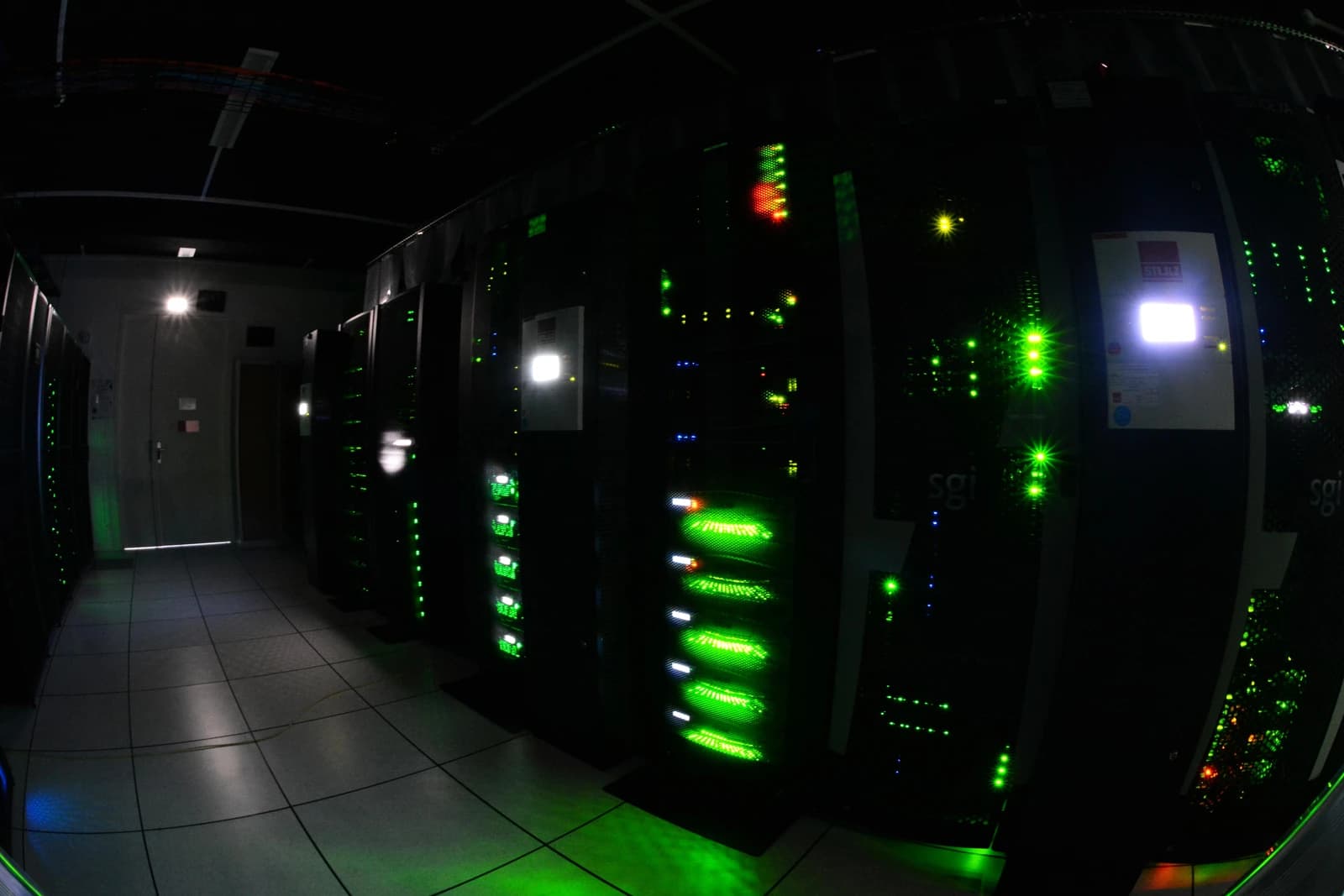
That matters because the industry’s bottleneck is shifting from semiconductors to power availability, and companies that can secure land, grid access and generation capacity early may control the next phase of AI infrastructure growth. Azio is pitching a “power-first” model that couples electricity generation with data centers, GPU systems and hosting services, aiming to supply the compute stack only after the energy backbone is in place.
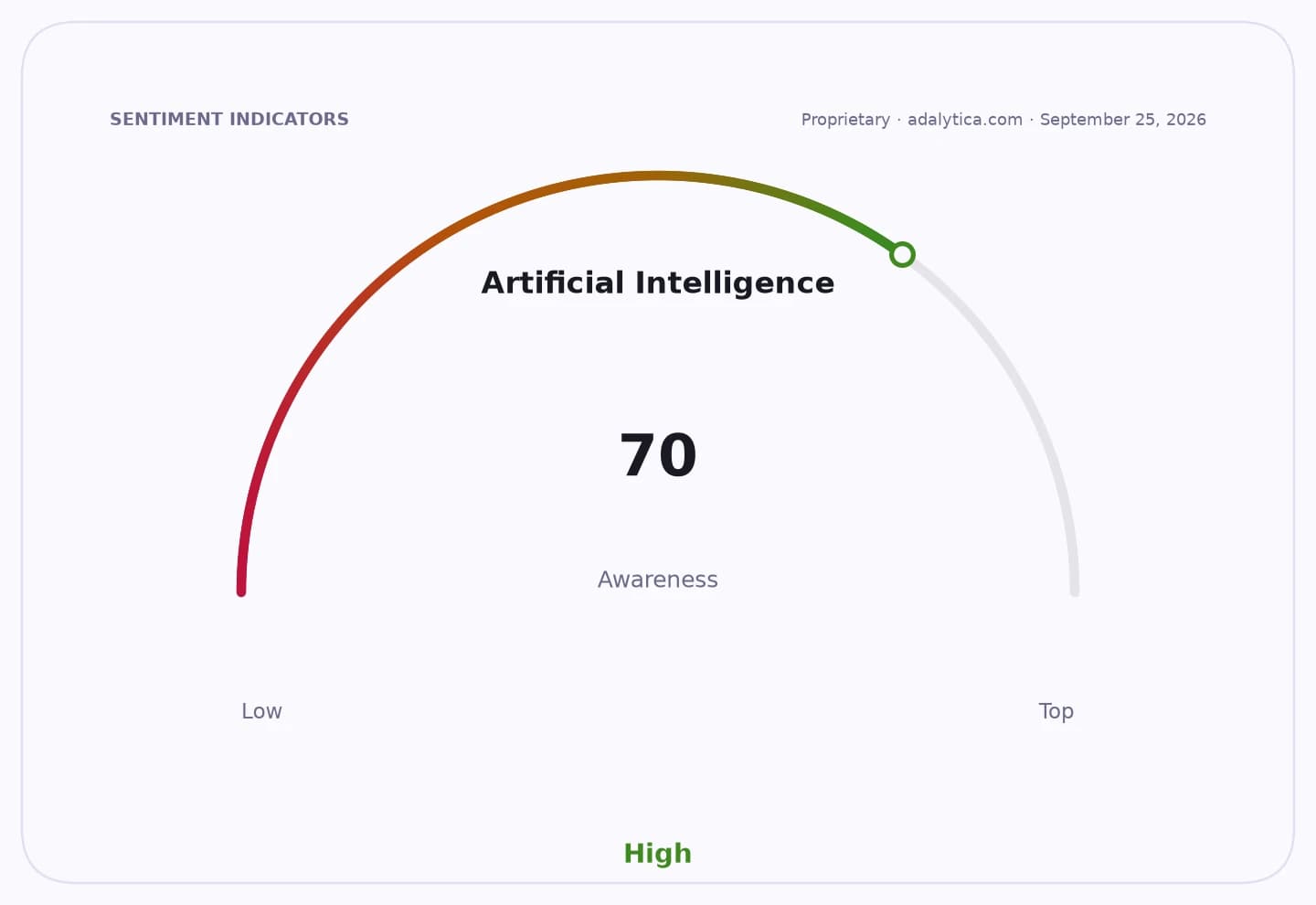
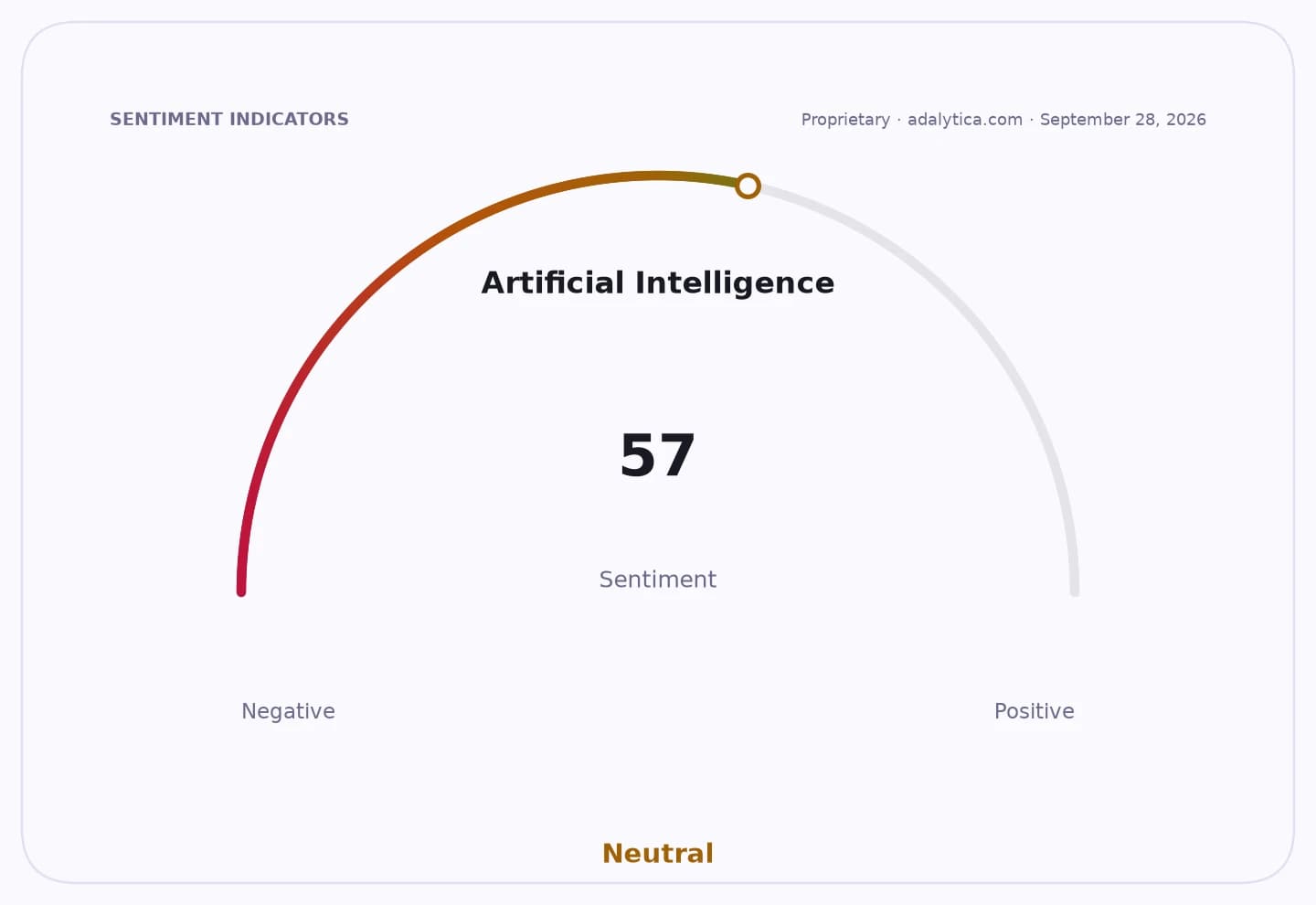
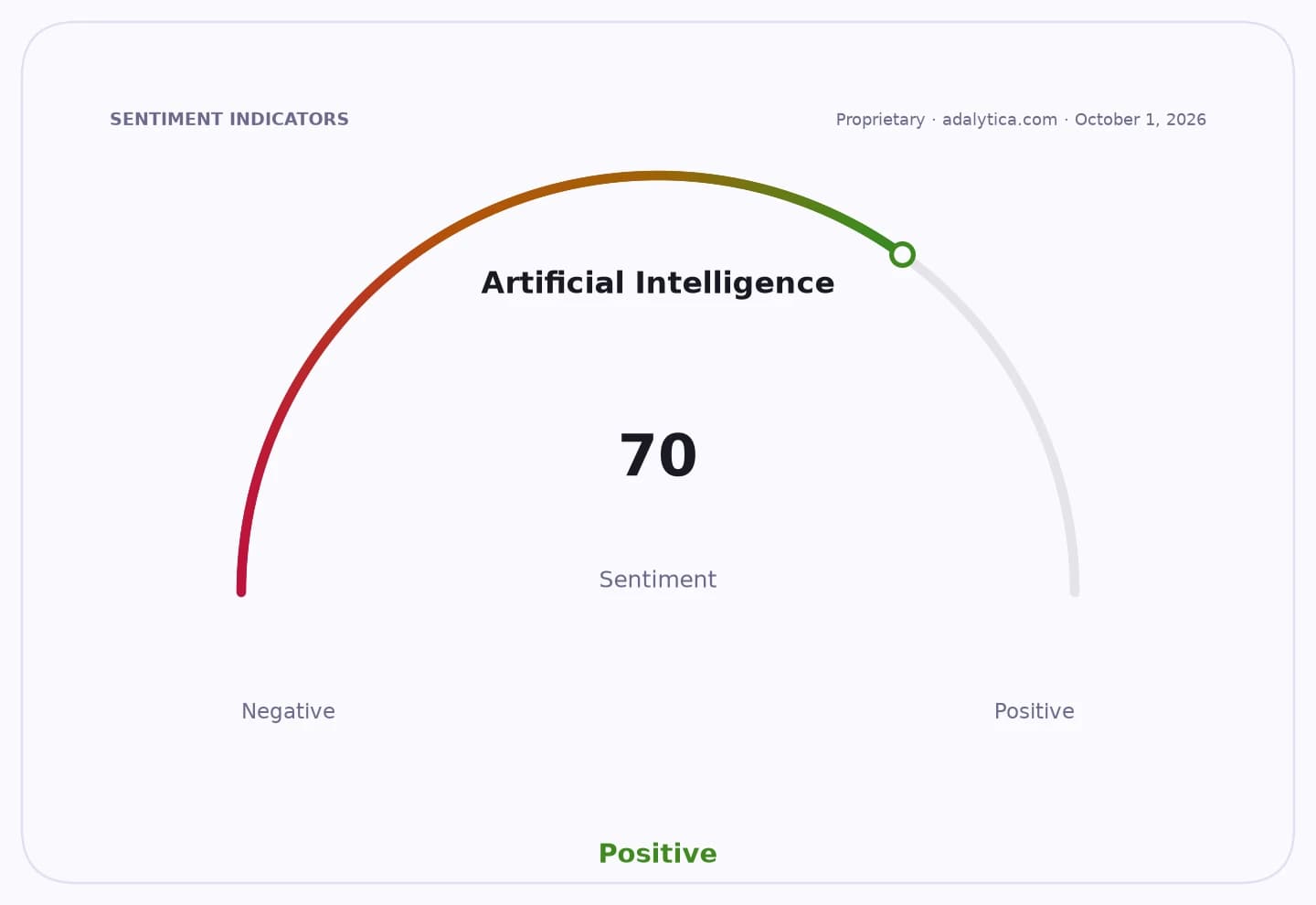
Sentiment IndicatorsⓘProprietary · adalytica.com · October 1, 2026
This is a snapshot — live sentiment, awareness and momentum for 130+ markets update continuously in the dashboard.Open AlphaPulse
The investment case for that strategy is clear. Goldman Sachs Research has said U.S. data center power demand could rise from 31 gigawatts in 2025 to 41 gigawatts in 2026 and 66 gigawatts in 2027, underscoring how quickly AI workloads are colliding with utility constraints. Microsoft’s latest risk disclosures also point to electricity generation and transmission bottlenecks, while Nvidia has said it has materially increased supply commitments to meet demand for data center systems. Together, those signals suggest the value chain is moving toward infrastructure providers that can deliver both compute and power, rather than compute alone.
For Azio, that creates a potential niche, but also a high bar. The company is still a small-cap stock, and its shares at $1.19 on Oct. 1 remain far below their January peak above $3.50 after sharp volatility this year. Technical readings show the stock back near its 50-day moving average, with relative strength readings no longer deeply oversold but still well below the frothy levels reached during the January surge. That pattern points to a market that is still trying to determine whether Azio’s infrastructure story is a durable business model or mostly a concept trade.
Investors are likely weighing two competing narratives. In the bull case, Azio is exposed to a large and growing secular market if AI developers and cloud operators increasingly pay a premium for ready-to-energize sites, modular power solutions and turnkey hosting capacity. In the bear case, the company may face the same execution risks that have challenged many smaller infrastructure names: capital intensity, regulatory delays, utility interconnection queues and the difficulty of scaling from promotional language to contracted revenue.
The broader backdrop remains favorable for companies tied to AI infrastructure. Industry spending is flowing toward data centers, power systems and networking, with major players including Nvidia, AMD, Cisco, Lenovo and NetApp all expanding around the same theme. That supports the idea that AI’s next winners may be the companies that solve the “where does the workload run?” problem, not just the “which chip powers it?” problem.
For Azio, the key question is whether “power-first” becomes a meaningful operating advantage or simply a marketing phrase. The market will be looking for concrete evidence of land, interconnection, generation assets and customer contracts, because in this part of the AI boom, access to electricity may matter more than access to hype.
| Entity | Gains | Losses |
|---|---|---|
| Azio AI Holdings | ▲Higher relevance in AI infrastructure | ▼Execution and financing risk |
| AI developers / cloud operators | ▲More potential hosting capacity | ▼Higher power costs |
| Nvidia / chip suppliers | ▲Continued hardware demand | ▼Less scarce than power |
| Utilities / grid owners | ▲Greater demand for capacity | ▼Pressure from interconnection bottlenecks |