NVIDIA is aiming to build 1 gigawatt of artificial intelligence capacity in Egypt over the next three to five years, a plan that could turn the country into a regional compute hub for the Middle East and Africa and deepen the chipmaker’s push beyond its core U.S. and Asian markets.
NVIDIA Plans 1 GW AI Buildout in Egypt
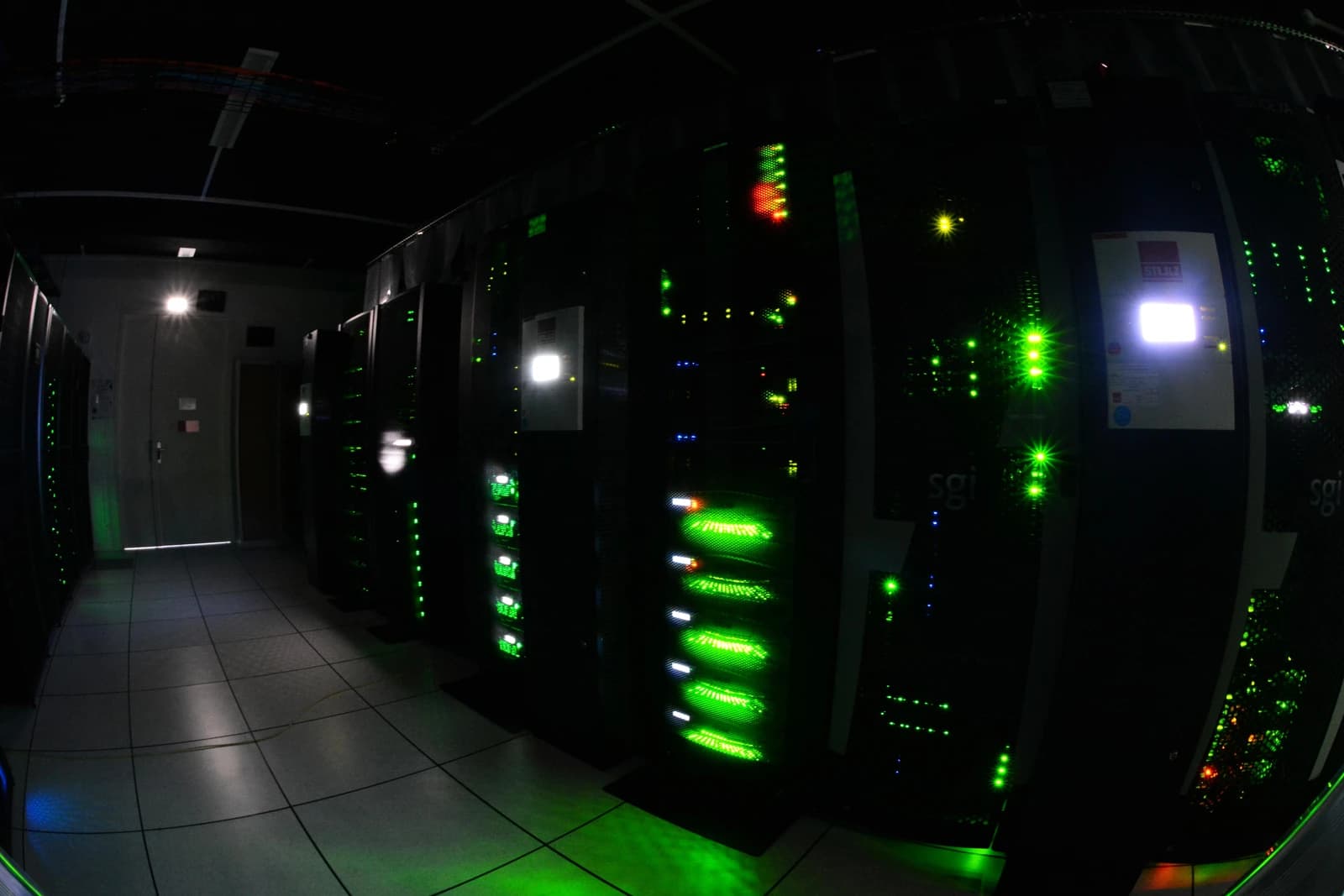
The scale matters because AI capacity, not just software demand, is becoming the bottleneck in the next phase of the industry. A gigawatt-class buildout would imply a major expansion of data-center power, networking and high-performance computing infrastructure, and could anchor a new cluster of enterprise and government AI workloads in Cairo.
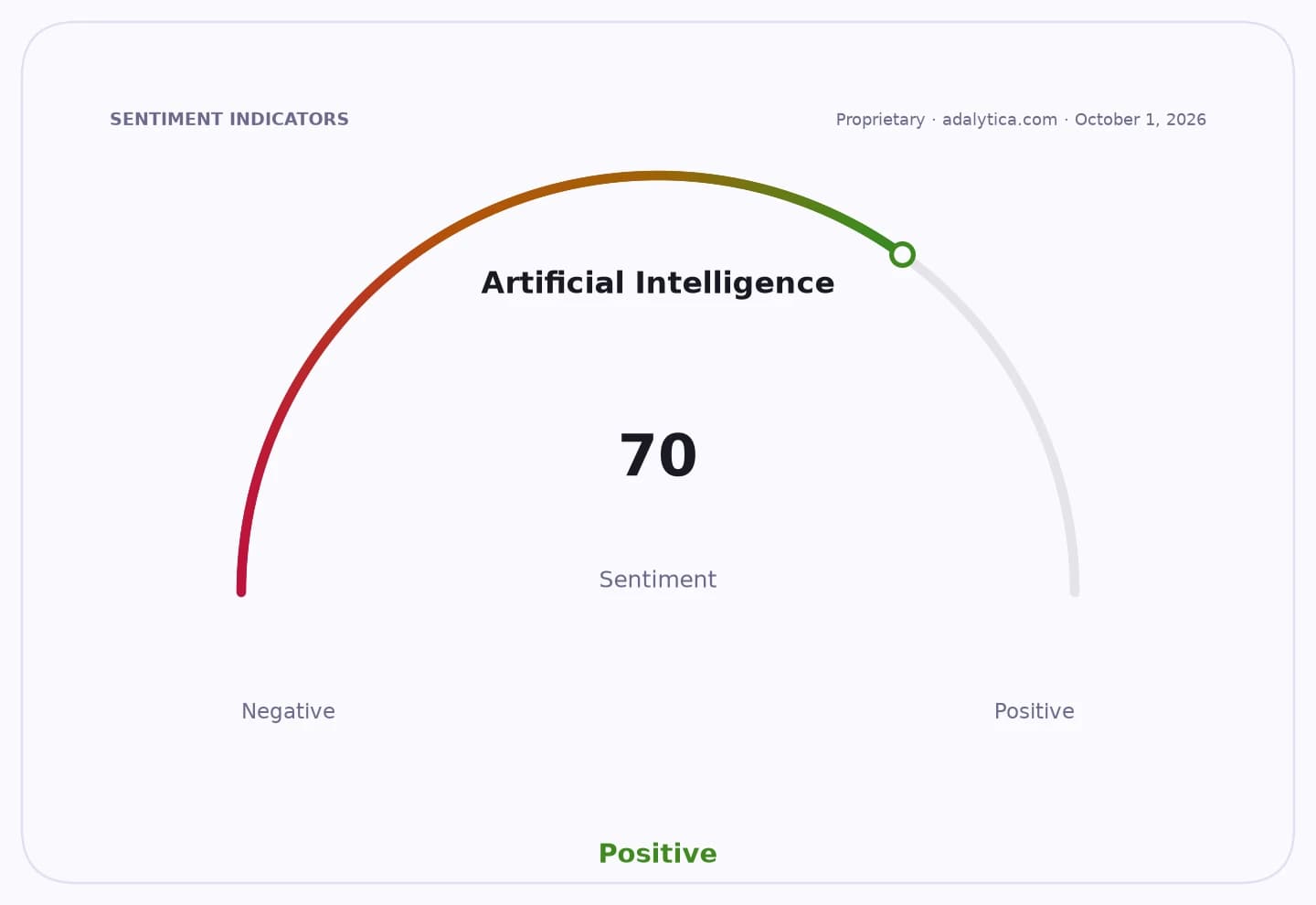
Sentiment IndicatorsⓘProprietary · adalytica.com · September 27, 2026
This is a snapshot — live sentiment, awareness and momentum for 130+ markets update continuously in the dashboard.Open AlphaPulse
The move also underscores how AI infrastructure is spreading into markets racing to secure digital sovereignty and economic relevance. Egypt’s pitch as a regional hub fits a wider African effort to build local AI capability, from public-sector training programs to security and governance use cases, at a time when the continent is trying to avoid total dependence on U.S. and Chinese technology ecosystems.
For NVIDIA, the announcement reinforces the demand backdrop behind its data-center business and supports the view that AI spending is still broadening geographically. The company has already said in its latest filings that supply and capacity commitments have surged to $279 billion, reflecting the scale of infrastructure demand running through its pipeline.
Investors will view Egypt as another sign that AI capital expenditure remains a multiyear theme, even as the stock has been volatile. NVIDIA shares recently traded around $225.07, above the 50-day moving average of $215.79 and the 200-day average of $199.13, while technical readings showed momentum cooling from earlier peaks.
Microsoft, a key AI infrastructure customer and partner, also stands to benefit if regional buildouts create more cloud demand, while Taiwan Semiconductor Manufacturing Co. could see incremental foundry demand from the broader AI supply chain. The near-term question is execution: power availability, financing, permitting and sovereign support will determine whether the plan becomes a flagship deployment or remains an ambition.
| Entity | Gains | Losses |
|---|---|---|
| NVIDIA | ▲New AI infrastructure demand | ▼Execution and delivery risk |
| Egypt | ▲Regional AI hub status | ▼Heavy power and capex burden |
| Microsoft | ▲More cloud and AI workload demand | ▼Slower deployment if infrastructure lags |
| TSMC | ▲More chip demand through AI buildout | ▼No direct downside, but supply tightness may persist |