Egypt’s state technology agency is moving to formalize a partnership with NVIDIA that could help turn the country’s large pool of engineers and software developers into a more commercial AI ecosystem. The immediate economic significance is less about chip sales than about whether Egypt can convert talent into exportable AI products, attract foreign capital and give local startups access to the compute, training and industry connections needed to scale.
Egypt ITIDA to Formalize NVIDIA AI Partnership
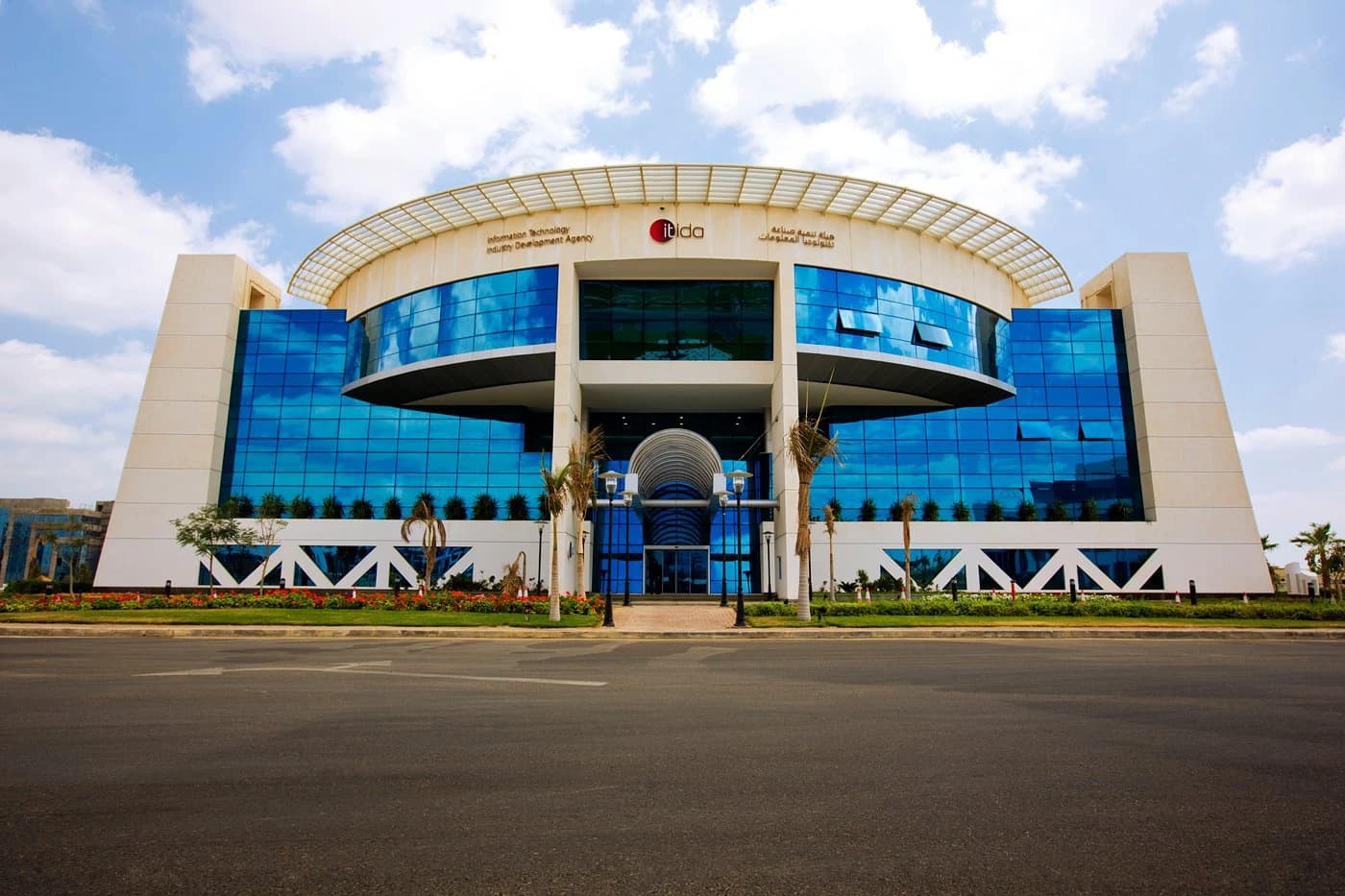
The Information Technology Industry Development Agency, or ITIDA, said it is preparing to cooperate with NVIDIA as a strategic partner to support the growth of Egypt’s artificial intelligence system. The effort comes as NVIDIA already counts more than 200 Egyptian startups in its Inception program and more than 46,000 developers in its local ecosystem.
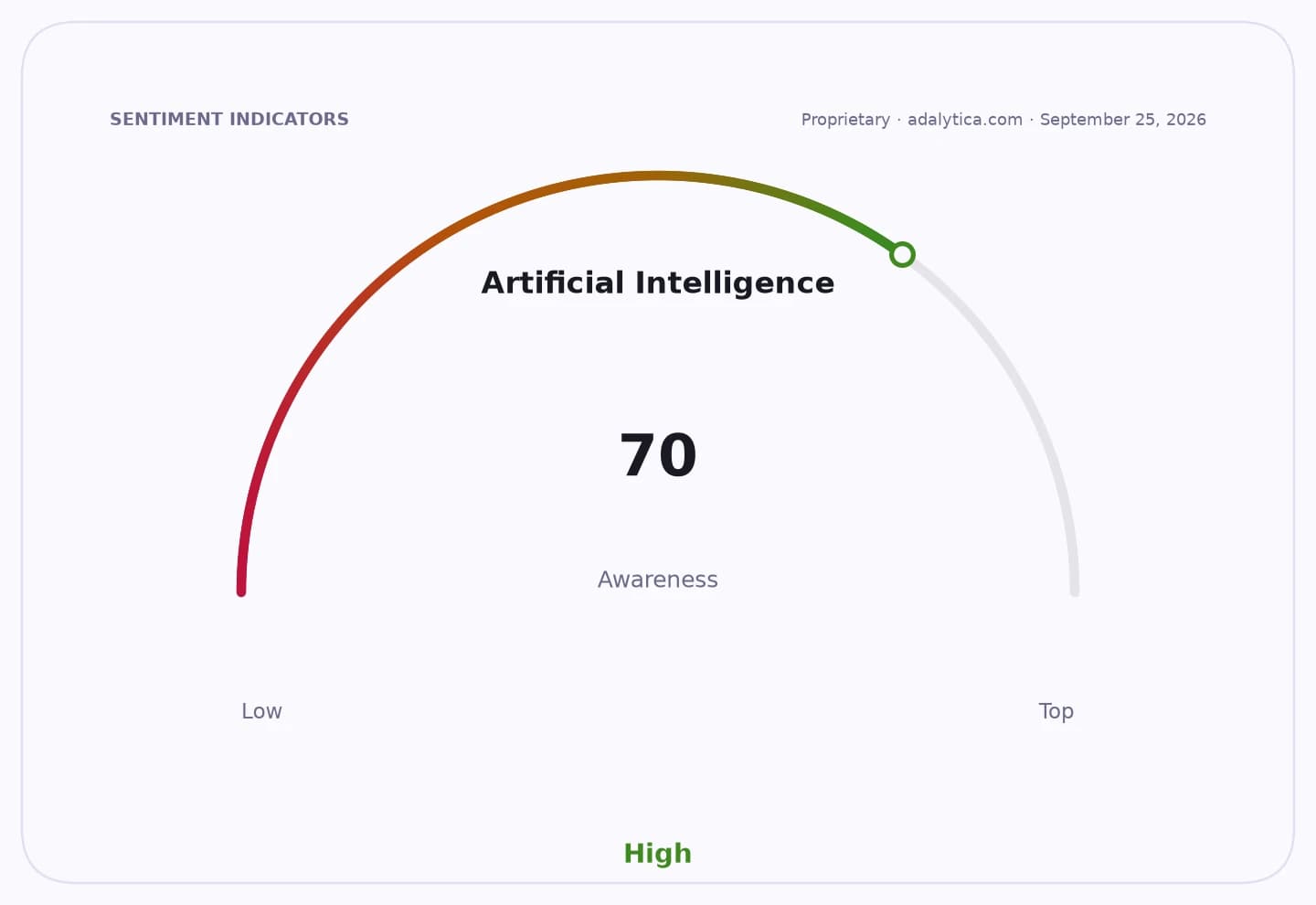
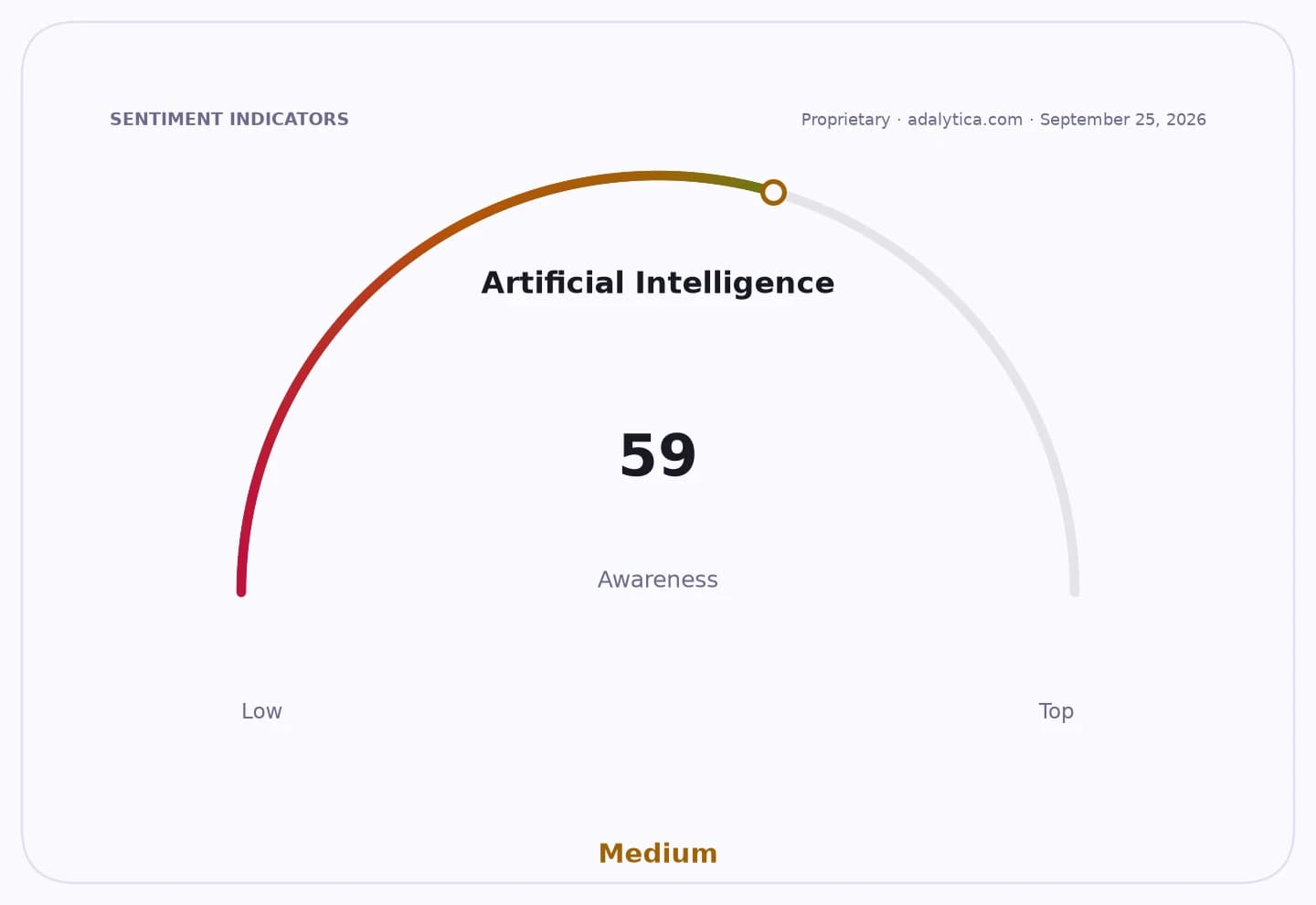
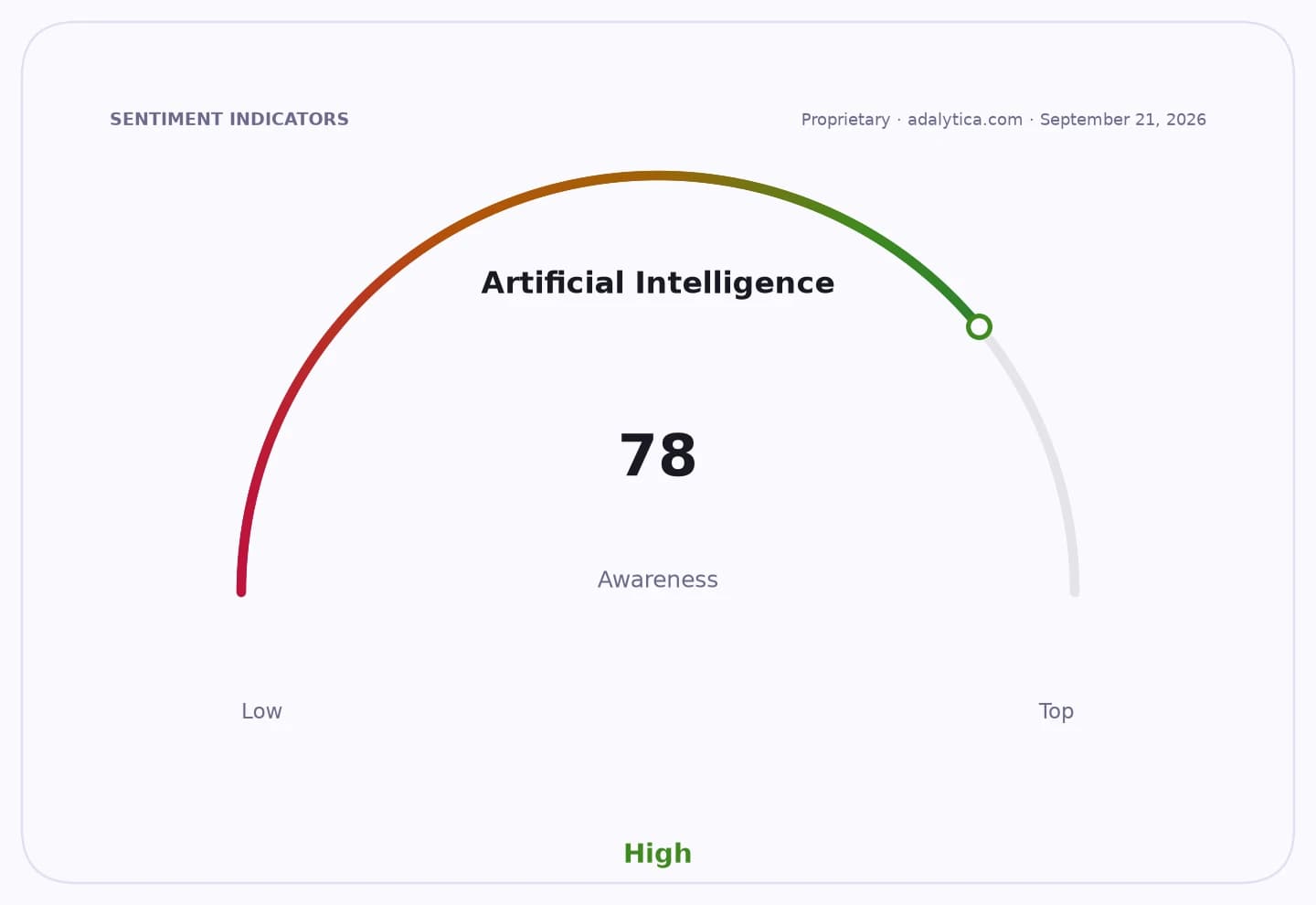
Sentiment IndicatorsⓘProprietary · adalytica.com · September 25, 2026
This is a snapshot — live sentiment, awareness and momentum for 130+ markets update continuously in the dashboard.Open AlphaPulse
That matters because AI adoption in emerging markets is increasingly constrained not by ambition but by infrastructure, compute access and application-layer expertise. NVIDIA’s regional executive said Egypt’s advantage is its engineering base, with about 40,000 STEM graduates entering the labor market each year, and a wider pool of developers that can build use cases for banks, industrial firms, government services and other sectors.
For investors, the story is a reminder that the next phase of the AI cycle is not only about frontier models and hyperscaler capex. It is also about whether countries can build local demand for AI software, systems integration and sector-specific applications. If Egypt can link startups, universities and public agencies to NVIDIA’s tools and ecosystem, the upside is a deeper local market for cloud, data, consulting and embedded AI services, along with a better chance of producing companies that can sell across the Middle East and Africa.
The pitch from NVIDIA is clear: AI value creation depends on a stack that includes talent, energy, infrastructure, chips, models and applications, and Egypt has to develop those layers in parallel. That is a constructive message for a market that has a large labor force and a broad engineering base, but still faces limited compute capacity relative to more advanced AI hubs.
The opportunity is also political and economic. Governments in the region are trying to use AI as a productivity lever, and Egypt has been signaling interest in expanding AI education and adoption. A strategic tie-up with a global chip leader can help validate the ecosystem, draw in investors and give local startups a more credible route to funding, customers and international partnerships.
Still, the bear case is that ecosystem-building announcements often run ahead of actual deployment. Without reliable power, data infrastructure, financing and faster commercialization, Egypt risks becoming a talent pool for foreign platforms rather than a home for scalable AI businesses. The key test will be whether the partnership produces training, startup support, pilot projects and eventually revenue-generating products.
For now, the agreement under discussion suggests Egypt wants to move from AI aspiration to AI industrial policy. If ITIDA and NVIDIA can turn that into sustained developer activity and startup growth, it could strengthen Egypt’s role in the regional AI supply chain and give investors a clearer way to play the country’s technology story.
| Entity | Gains | Losses |
|---|---|---|
| Egypt’s startups | ▲More compute and market access | ▼Higher competition |
| ITIDA / government | ▲Ecosystem credibility | ▼Pressure to deliver results |
| NVIDIA | ▲Wider developer base | ▼Near-term execution risk |
| Local AI rivals without access | ▲— | ▼Relative funding and tooling gap |