The Netherlands is moving closer to a law that would force energy suppliers to blend green gas into their sales mix, a policy that could create a durable new demand stream for renewable natural gas even as it faces political resistance over the role of intensive livestock farming.
Netherlands Green Gas Blending Bill Nears Vote

Climate and Green Growth Minister Stientje van Veldhoven said she has “full confidence” the bill will pass the Tweede Kamer with a broad majority, though she is still negotiating support ahead of Tuesday’s vote. The government wants the law to take effect on Jan. 1 if approved.
Sentiment IndicatorsⓘProprietary · adalytica.com · October 2, 2026
This is a snapshot — live sentiment, awareness and momentum for 130+ markets update continuously in the dashboard.Open AlphaPulse
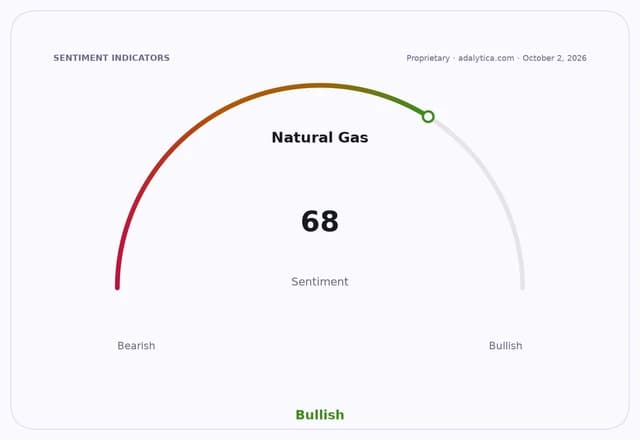
For investors and the energy industry, the significance is less about the narrow parliamentary arithmetic than the market structure the bill could create. A blending mandate would effectively turn renewable gas from a voluntary decarbonization option into a regulated product requirement, supporting long-term offtake for producers of biomethane and other renewable gas streams. That is potentially constructive for Dutch gas project developers, waste-to-energy operators and suppliers tied to renewable natural gas, including companies with exposure to the segment such as Clean Energy Fuels, while adding compliance costs for utilities and energy retailers.
The proposal also sits at the intersection of climate policy and agricultural politics. A portion of green gas is produced by digesting manure, which makes the bill attractive to decarbonization advocates but controversial among lawmakers who argue it could prolong intensive livestock production by creating a financial incentive to keep manure-intensive farming in place. That criticism is the main obstacle to the government’s effort to secure broad support.
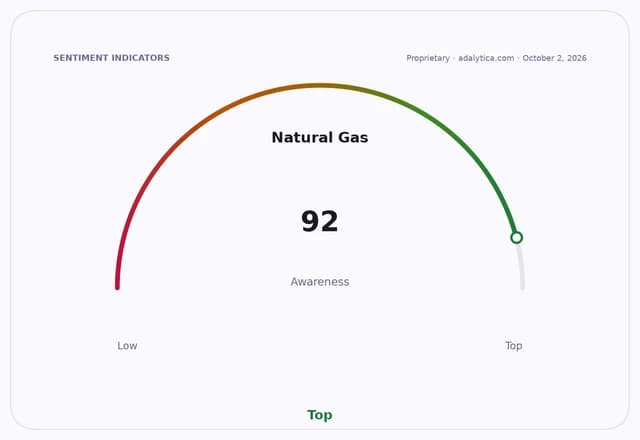
If adopted, the law would give the Netherlands one of the clearest policy signals in Europe on renewable gas demand at a time when gas supply remains strategically important. Recent market data and trade sentiment around natural gas have been volatile, and governments across Europe are still trying to balance energy security with emissions cuts. A blending obligation would advance both goals for The Hague: reducing the carbon intensity of gas consumption without depending entirely on direct electrification.
For investors, the key question is whether the policy becomes a template for wider European adoption or remains a Dutch-specific measure. A smooth passage would strengthen the investment case for biomethane infrastructure, feedstock collection and gas-grid compliance systems. Failure or dilution, by contrast, would underscore how politically fraught renewable gas mandates remain, especially when agriculture is part of the supply chain.
| Entity | Gains | Losses |
|---|---|---|
| Renewable gas producers | ▲Stable mandated demand | ▼Policy uncertainty if bill fails |
| Energy suppliers | ▲Clear compliance framework | ▼Higher input and procurement costs |
| Dutch climate policy | ▲Faster gas decarbonization | ▼Slower progress if watered down |
| Intensive livestock sector | ▲Possible continued manure outlet | ▼Scrutiny over emissions incentives |