The European Union has pushed back by a year methane reporting rules for oil and gas imports, easing near-term compliance pressure on overseas suppliers and highlighting how energy security continues to temper Brussels’ climate agenda.
EU Delays Methane Rules for Oil and Gas Imports
The European Commission proposed delaying the rules, which had been set to start on Jan. 1, 2027, after pressure from governments including France and the United States. The move gives foreign oil and gas producers until 2028 before they would be required to monitor and report methane emissions, a greenhouse gas far more potent than carbon dioxide in the short term.
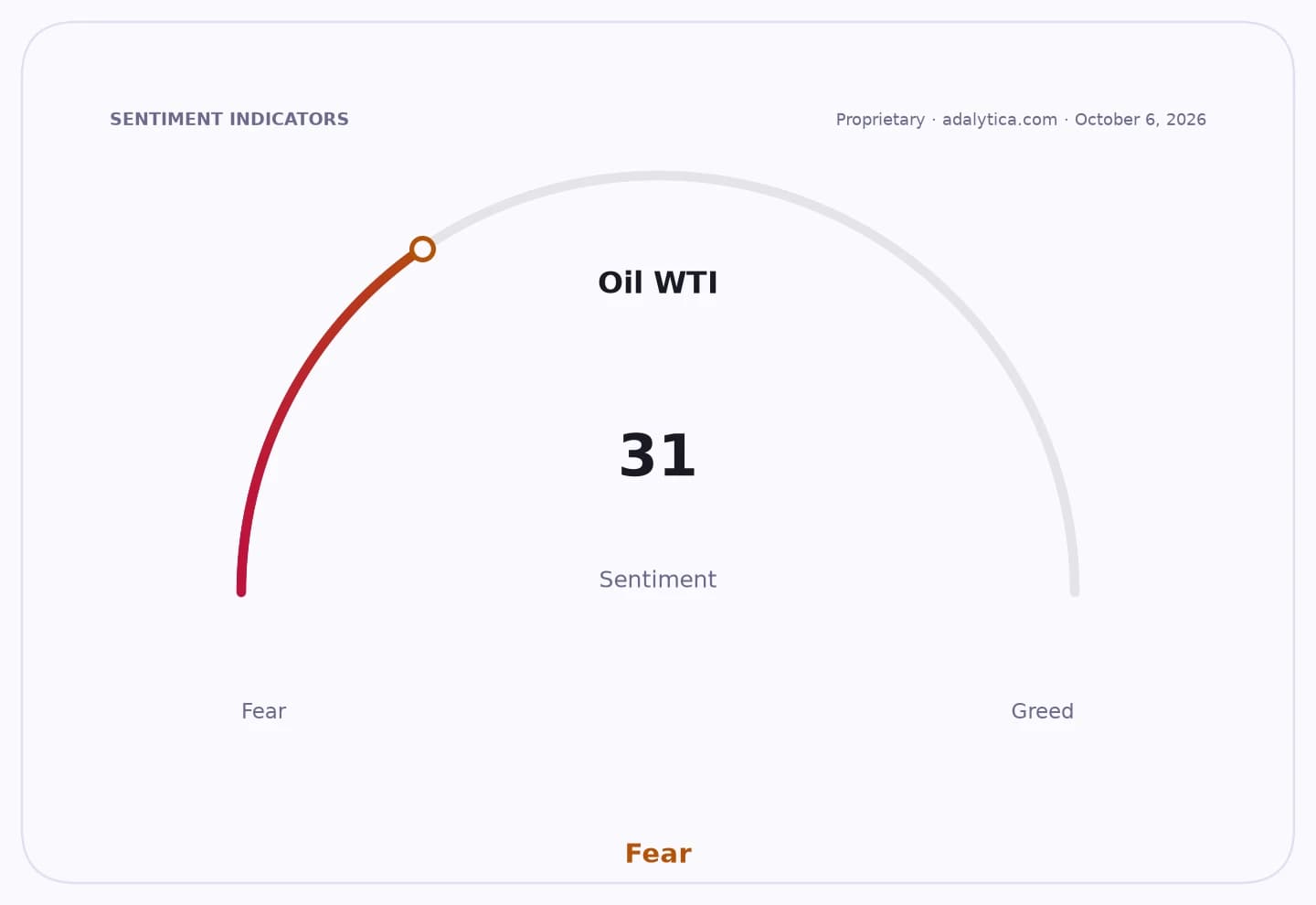
Sentiment IndicatorsⓘProprietary · adalytica.com · October 15, 2026
This is a snapshot — live sentiment, awareness and momentum for 130+ markets update continuously in the dashboard.Open AlphaPulse
Economically, the delay reduces the risk of additional paperwork, monitoring costs and potential trade friction for exporters into Europe at a time when the bloc is still managing fragile energy markets. It also reflects a broader policy trade-off: Brussels wants to tighten climate standards on imported fuel, but not in a way that could complicate supply chains or raise costs during periods of tight gas balance and politically sensitive fuel prices.
For investors, the decision is mildly supportive for major suppliers with large Europe exposure, including Exxon Mobil, Chevron and Shell, because it removes an immediate regulatory overhang from their upstream and LNG businesses. The sector has already spent heavily on emissions measurement and methane abatement, but a longer runway lowers the chance of rushed compliance spending and preserves optionality on cargo flows into Europe.
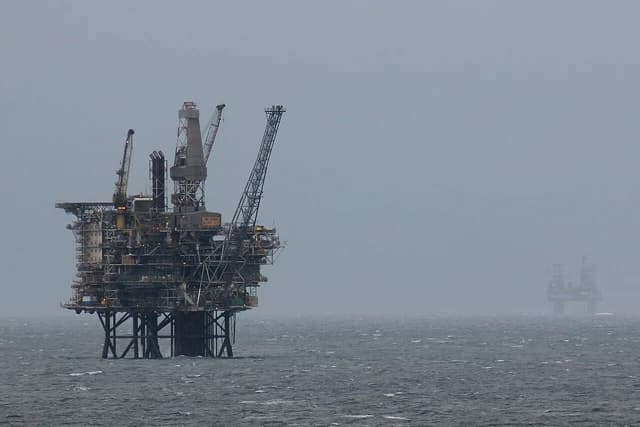
The market reaction is likely to be more strategic than immediate. Energy companies have argued that a patchwork of climate rules can distort trade and penalize producers depending on where emissions are measured. Environmental groups, by contrast, see the delay as another sign that Europe is willing to soften climate ambition when energy affordability is at stake.
That tension is the core of the story. The EU is not abandoning the methane regime; it is postponing enforcement to 2028, giving lawmakers more time to calibrate the rules and monitor energy conditions. If gas markets tighten again, the political case for slower implementation could strengthen. If supply remains comfortable, pressure will build for Brussels to keep the original course.
| Entity | Gains | Losses |
|---|---|---|
| Oil and gas exporters | ▲More time to comply | ▼Near-term reporting burden |
| Exxon, Chevron, Shell | ▲Lower regulatory overhang | ▼Earlier emissions disclosure |
| EU policymakers | ▲Flexibility on energy security | ▼Climate credibility with activists |
| Environmental groups | ▲— | ▼Delayed methane enforcement |