Poland has won a one-year delay to the European Union’s ETS2 carbon pricing scheme, a move that postpones higher fuel and heating costs for households and businesses and underscores growing political resistance to the bloc’s climate rollout.
Poland Wins ETS2 Delay to 2028
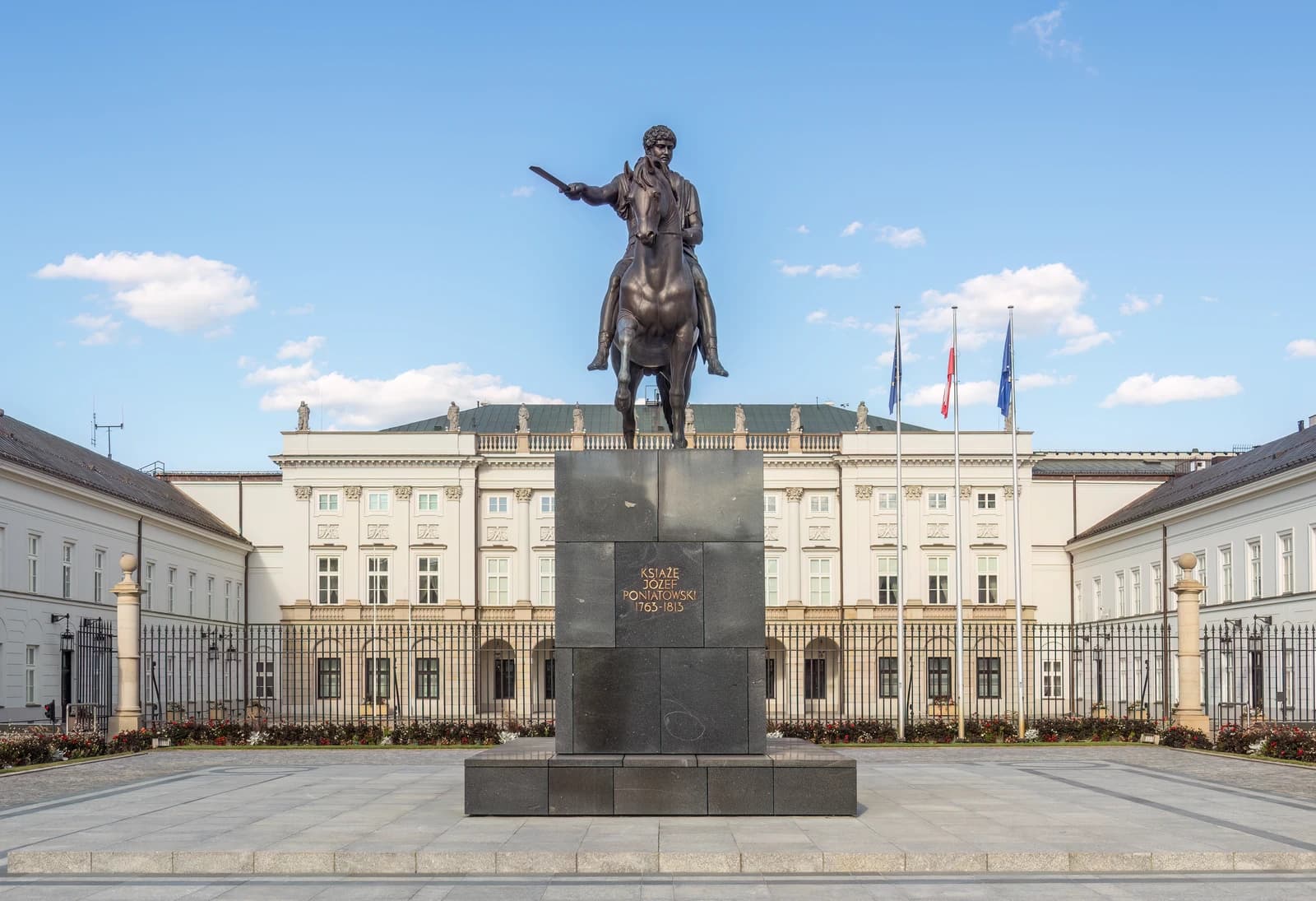
Prime Minister Donald Tusk said at the EU summit that leaders agreed to push back the start of ETS2 from 2027 to 2028, giving Warsaw and other critics more time to argue for a broader rethink of the policy. The decision matters because ETS2 would extend carbon charges to road fuel and building heating, two areas that hit consumers directly and are already politically sensitive amid Europe’s cost-of-living squeeze.
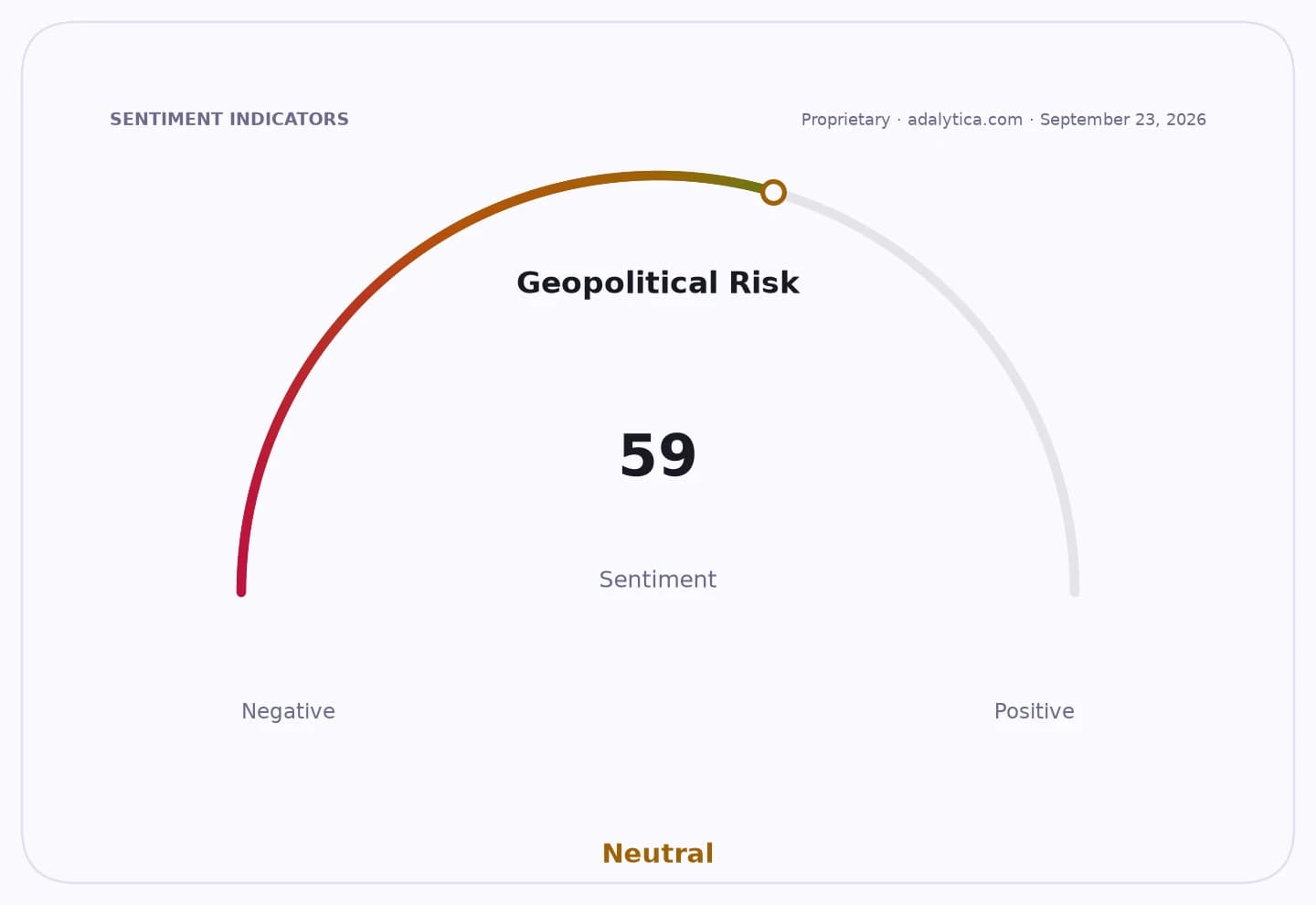
Sentiment IndicatorsⓘProprietary · adalytica.com · October 20, 2026
This is a snapshot — live sentiment, awareness and momentum for 130+ markets update continuously in the dashboard.Open AlphaPulse
Warsaw is not treating the delay as a final victory. Tusk said Poland would keep pushing for either a further postponement or a full overhaul of the mechanism, which he said would make gasoline, diesel and heating more expensive. Poland’s stance is backed by Italy, Greece, Czech Republic, Slovakia and Hungary, countries that say the scheme should be delayed until at least 2030 because energy prices remain high.
For investors, the issue goes beyond climate policy. ETS2 affects operating costs across transport, utilities, manufacturing and heavy industry, while also carrying inflation implications for the euro zone if households absorb higher energy bills. The scheme’s rollout could influence fuel demand, heating-related spending and margins for companies with large energy exposure, especially in central and eastern Europe.
Local estimates cited by Polish media suggest ETS2 could add 29 groszy per liter to gasoline and 35 groszy to diesel in Poland in its first year, with the burden rising further by 2030. That makes the delay meaningful for consumers, but it also shows the argument is far from settled as the EU faces pressure to balance decarbonization with economic and social costs.
The next test is whether the coalition of delaying countries can force another revision before the 2028 start date. If they do, ETS2 could become another example of Europe’s climate agenda being reshaped by inflation, industrial competitiveness and voter backlash rather than by policy targets alone.
| Entity | Gains | Losses |
|---|---|---|
| Polish households | ▲slower rise in fuel and heating bills | ▼delayed climate-policy benefits |
| Polish government | ▲political win at EU summit | ▼no final ETS2 rollback yet |
| EU climate policy | ▲time to revise implementation | ▼credibility and rollout momentum |
| Fuel and heating consumers | ▲short-term cost relief | ▼higher costs still looming in 2028 |