BioKenaf’s RM50 million-plus in sales is a useful reminder that one of the biggest investment themes in agriculture is not acreage alone, but whether research can be turned into products people actually buy.
BioKenaf sales top RM50 million in Malaysia
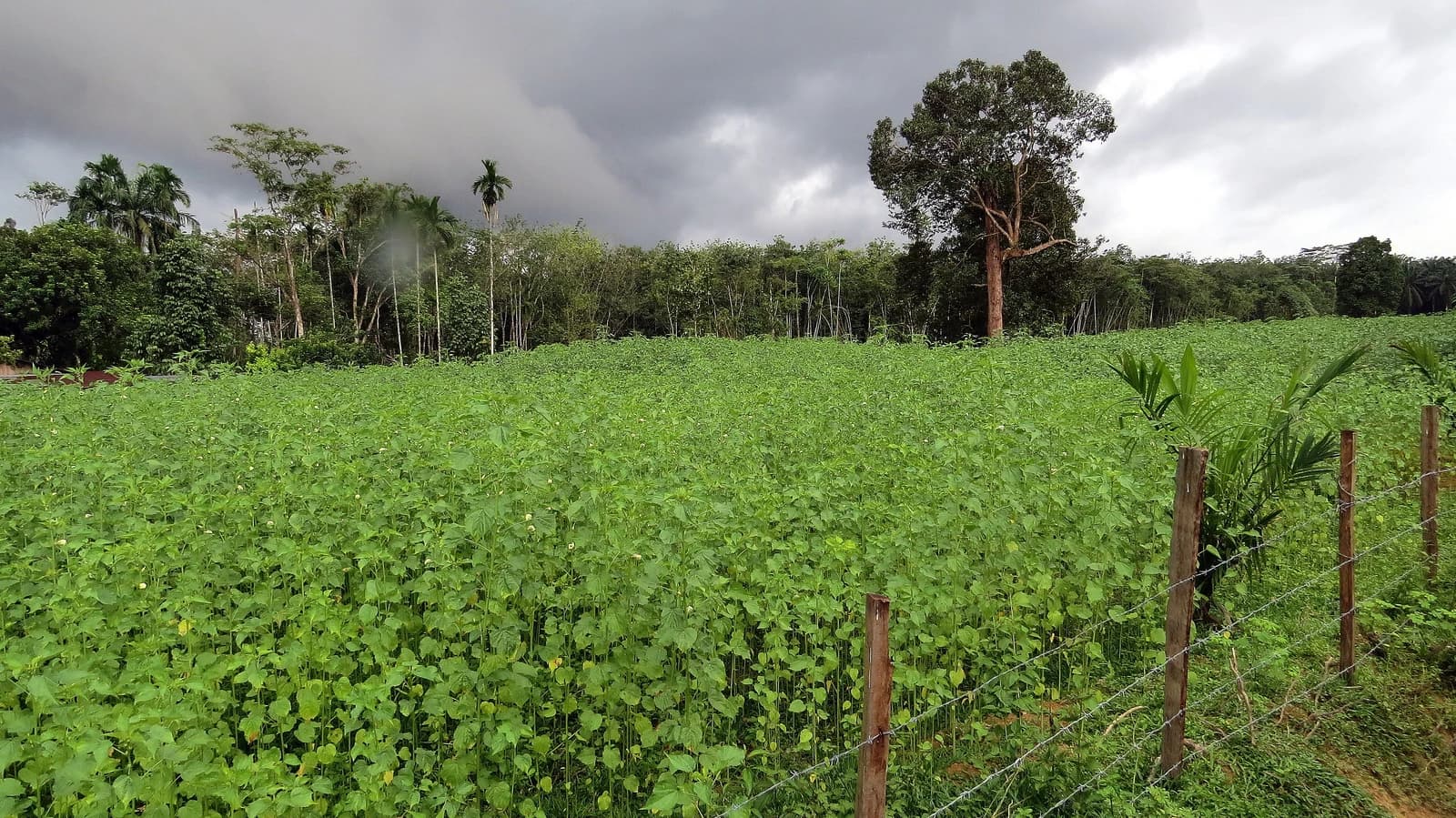
The commercialisation of BioKenaf, developed through research at Universiti Malaysia Kelantan, has now created more than 50 jobs and given Malaysia a concrete example of how university-led innovation can move beyond the lab and into the real economy. That matters because the fastest-growing opportunities in commodities increasingly sit downstream — in processed materials, branded products and technology-enabled applications — where margins are usually better and local value added is much higher.
For investors, the story is bigger than a single product line. It points to a broader effort by Malaysia to lift the economics of kenaf, a crop with a relatively short 120- to 150-day maturity cycle and potential grower earnings of RM3,000 to RM5,000 per hectare each season. If demand continues to rise, more farmers can supply raw material, while manufacturers capture the value from downstream products. That is exactly the kind of ecosystem policymakers want to build under the National Agricommodity Policy 2021-2030.
The government is clearly trying to accelerate that shift. Plantation and Commodities Minister Noraini Ahmad said success like BioKenaf shows how research outcomes can create income opportunities for communities, and she stressed the need for stronger collaboration among universities, agencies and industry. She also pointed to the partnership between UMK and the National Kenaf and Tobacco Board as a way to strengthen research, cultivation and downstream development.
That creates a simple long-term investment narrative: if Malaysia can keep turning local crops into saleable industrial products, it can expand rural incomes while building a more resilient agribusiness base. The opportunity is attractive because it combines three durable themes investors like — import substitution, rural job creation and value-added manufacturing.
There are still risks. Kenaf is not a guaranteed winner if demand weakens, and commercialization depends on scale, logistics and consistent technical support. But the direction of travel is positive. For investors watching the broader biobased products and specialty agricultural materials space, BioKenaf is worth keeping on the watchlist as an example of how research-driven commodity development can compound over time.
| Entity | Gains | Losses |
|---|---|---|
| BioKenaf / UMK | ▲Sales growth, credibility | ▼Pressure to scale |
| Local workers | ▲50+ jobs | ▼N/A |
| Kenaf growers | ▲New demand, income upside | ▼Reliance on market stability |
| Traditional low-value commodity models | ▲N/A | ▼Margin pressure |