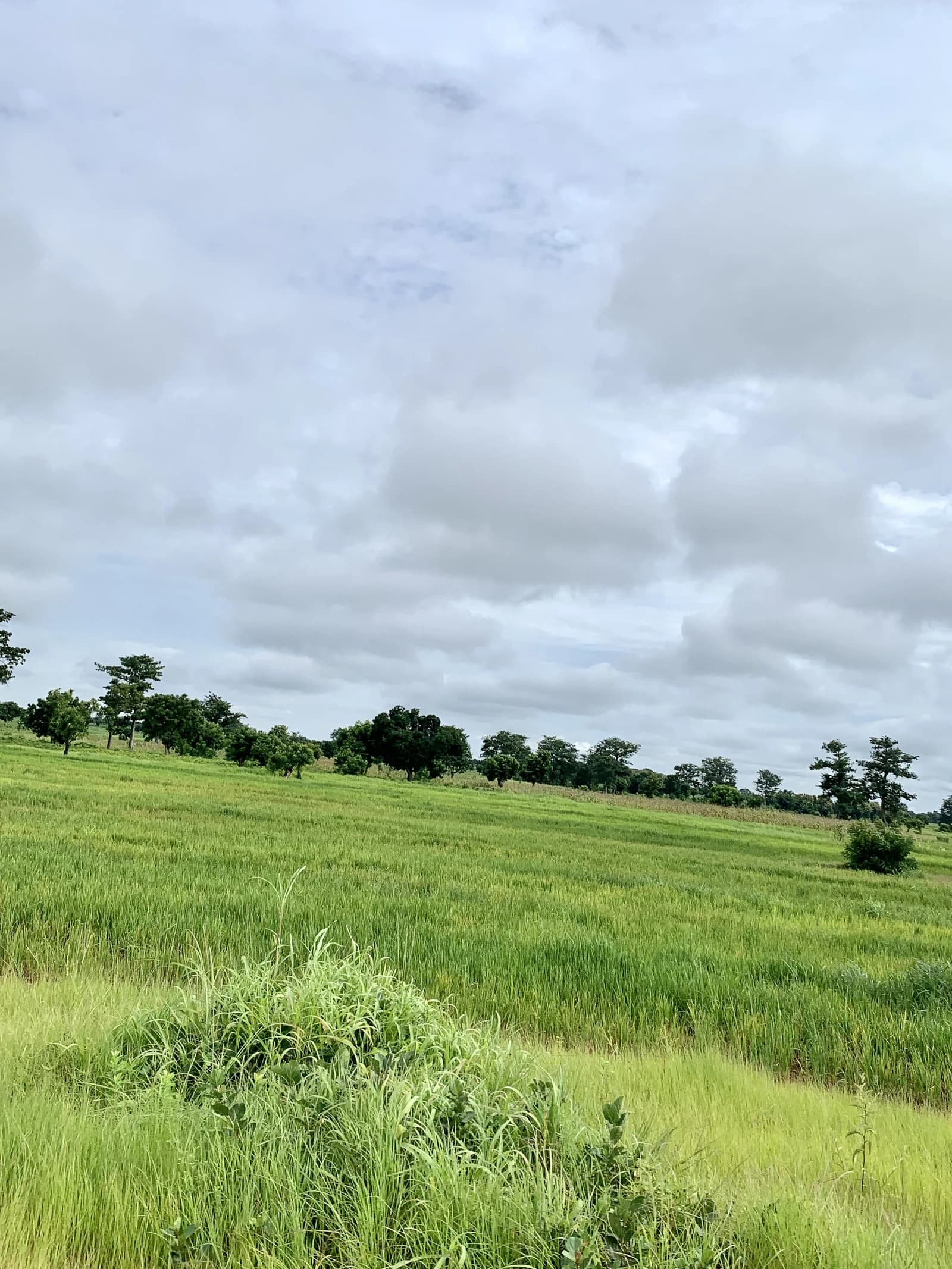
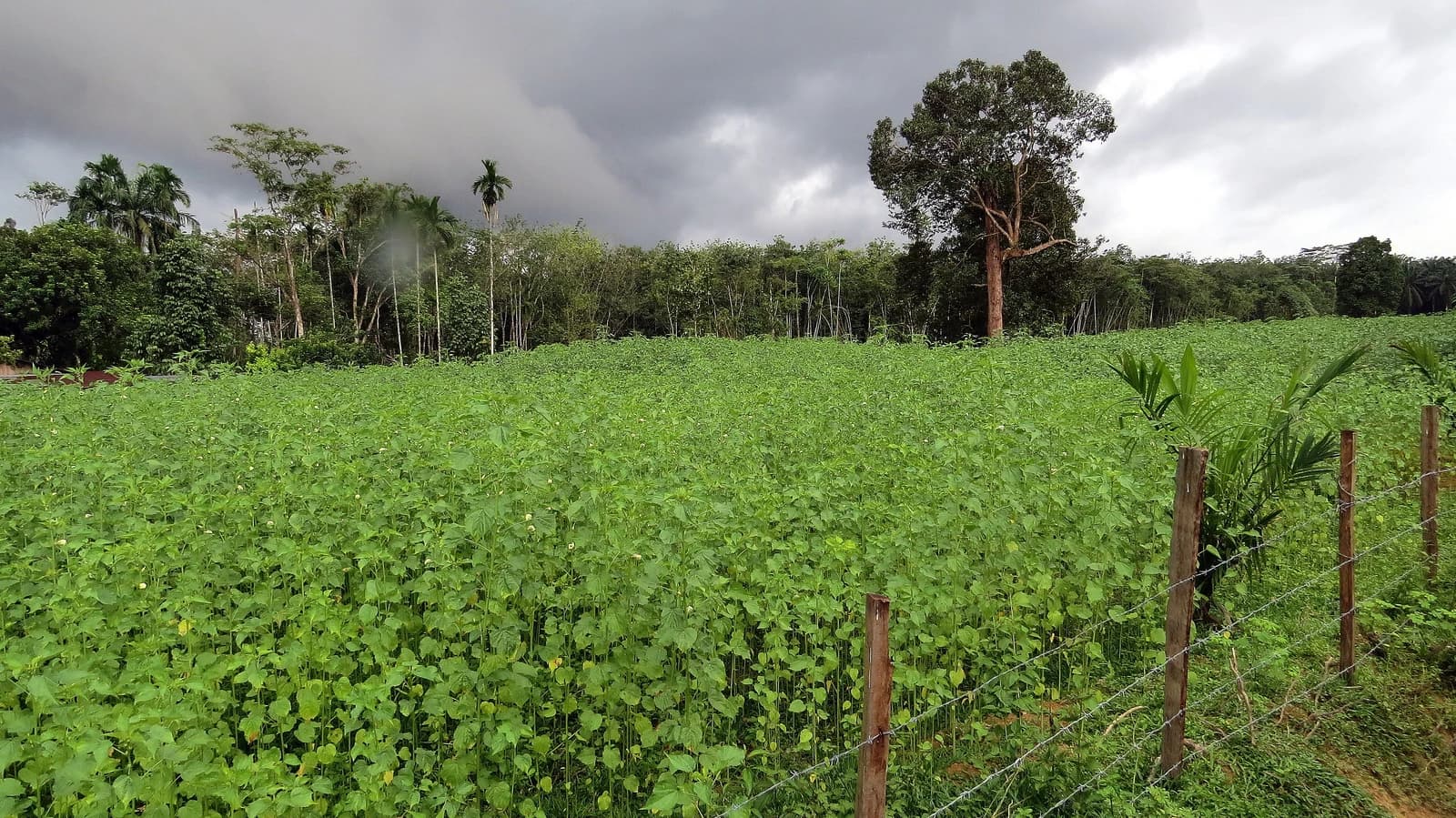
Misora’s drone-based rice farming in Nishiawakura village is more than a local experiment: it is a small but telling example of how Japanese agriculture may have to work harder with fewer people, and how technology could become central to keeping rural economies alive.
Japan Rice Farming Uses Drones in Nishiawakura
That matters because Japan’s farm sector is under relentless demographic pressure. Rural labor is aging, fields are harder to staff, and even modest gains in yield or efficiency can make the difference between an operating farm and abandoned acreage. If drones can help farmers plant, monitor, and manage rice more efficiently, they do not just save time. They help preserve production in places where labor is scarce and margins are thin.
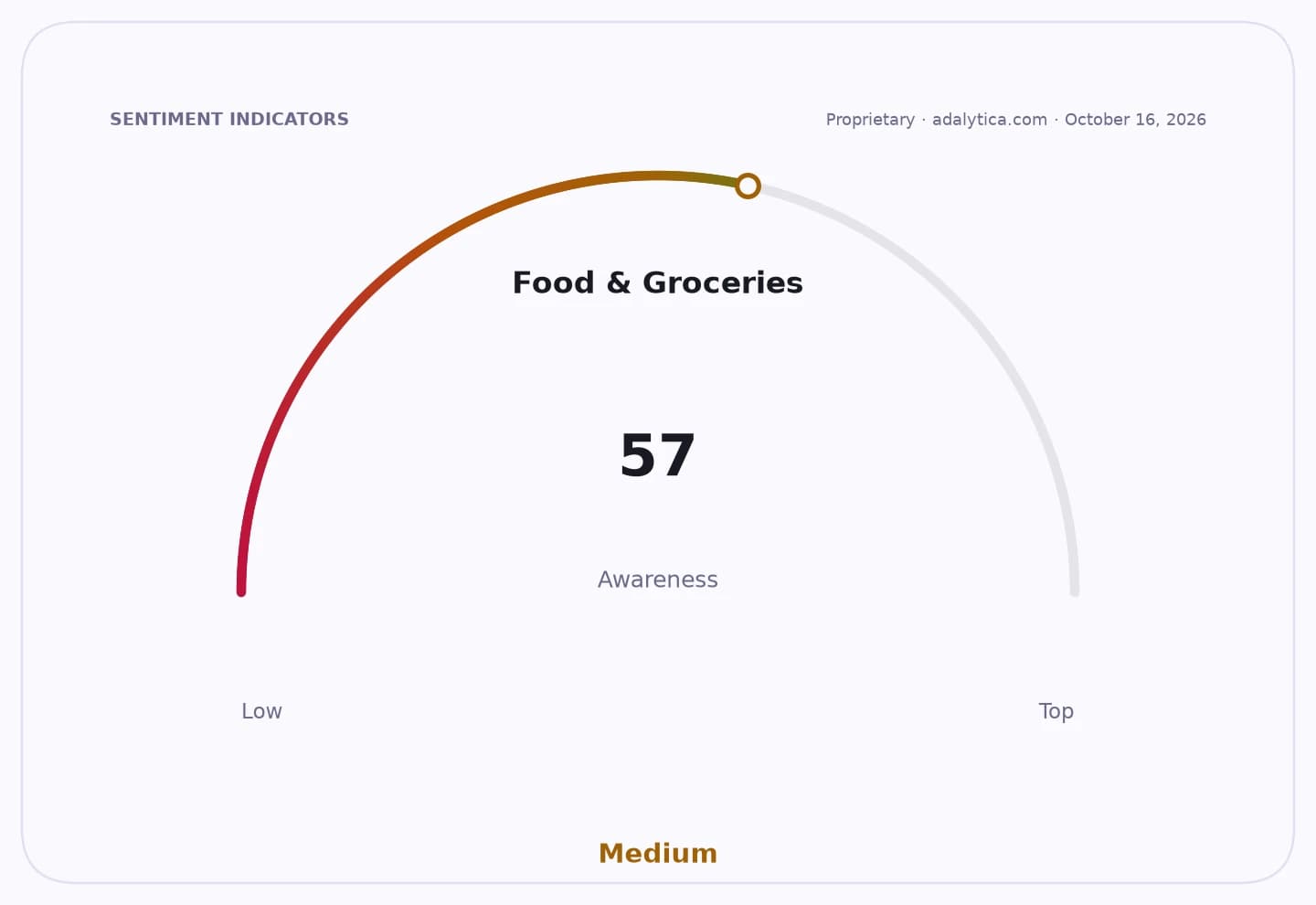
Sentiment IndicatorsⓘProprietary · adalytica.com · October 16, 2026
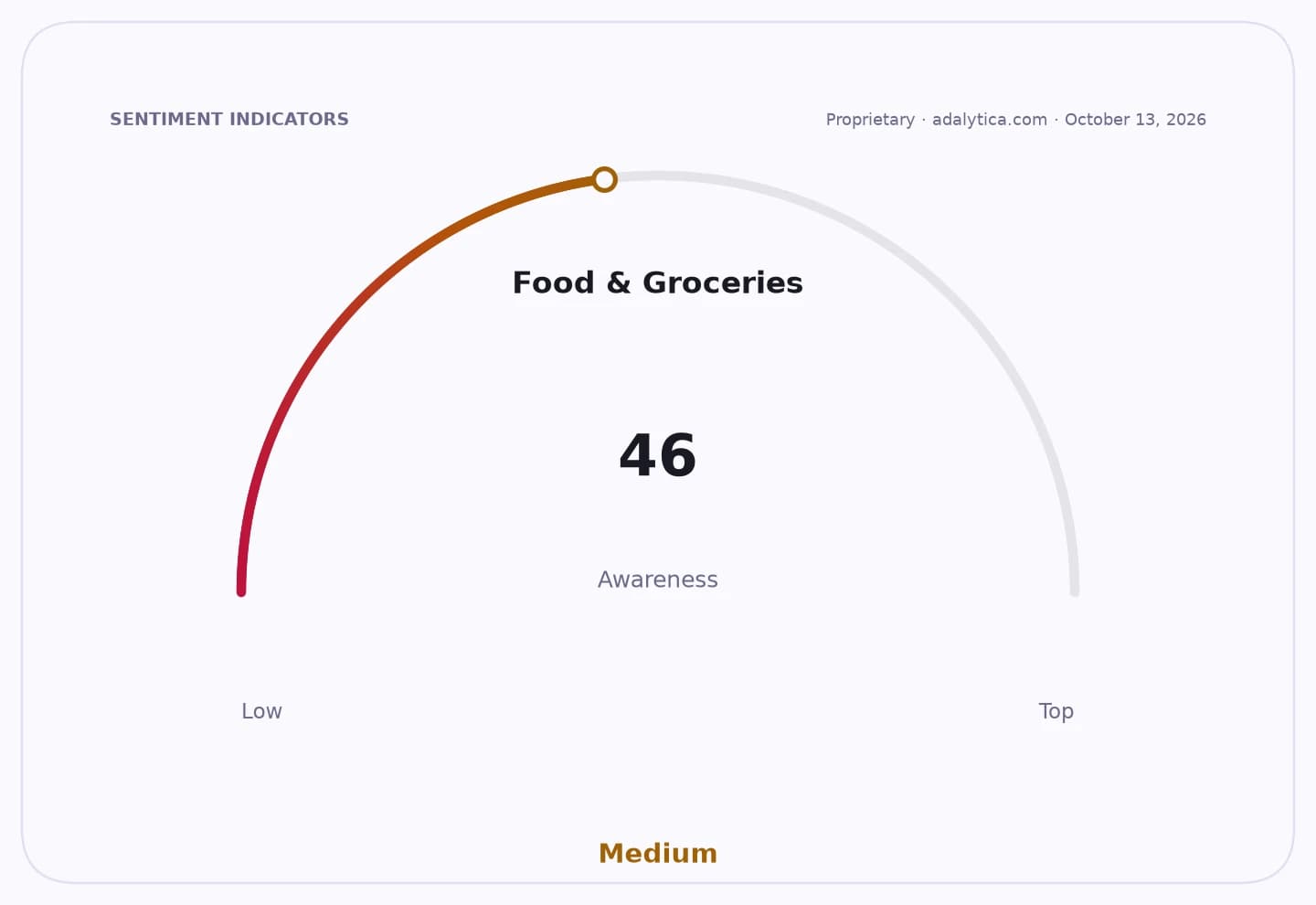
This is a snapshot — live sentiment, awareness and momentum for 130+ markets update continuously in the dashboard.Open AlphaPulse
The economics are straightforward. A village like Nishiawakura is unlikely to solve its future with scale alone. It needs tools that let one operator do the work of several, while also making better use of water, fertilizer, and crop protection inputs. That is why drone-assisted farming has become one of the most practical faces of agricultural innovation worldwide. It is not science fiction; it is labor substitution, input optimization, and risk reduction rolled into one.
Investors should care because this is exactly the kind of adoption curve that can support long-run demand for precision agriculture hardware, software, and services. Deere, AGCO and CNH Industrial all want to own more of that workflow, whether through guidance systems, data platforms, sprayers, autonomous equipment or field analytics. The share prices of those names have already shown how sensitive they are to the market’s view of farm spending and technology adoption. Deere’s stock has climbed sharply over the past year but remains below its recent highs, while AGCO and CNH have been volatile, reflecting how cyclical the farm equipment market can be even when the long-term technology case improves.
The broader message is that agriculture is quietly moving from a purely mechanical industry to a data-driven one. Drones fit neatly into that transition because they can be deployed quickly, at relatively low cost, and in places where full-scale automation may be too expensive or too slow to arrive. For governments and local communities, that can mean better food security and more resilient rural economies. For investors, it can mean a larger installed base for precision-ag hardware and recurring service revenue over time.
There are still real limits. Crop economics, weather, regulation and the up-front cost of new systems all matter. Small farms will not automate overnight. But the direction of travel is hard to miss: if villages in Japan can use drones to keep rice production viable, the same model can spread to other crops and other countries facing the same labor crunch.
For long-term investors, the takeaway is simple. Drone farming is not the story by itself; it is a sign that agriculture is entering a smarter, more capital-efficient era. That makes the technology suppliers and equipment makers worth watching closely over the next several years.
| Entity | Gains | Losses |
|---|---|---|
| Misora and local farmers | ▲Lower labor burden | ▼Manual-only methods |
| Japanese rural economies | ▲More resilient production | ▼Farm abandonment |
| Deere, AGCO, CNH | ▲Precision-ag demand | ▼Legacy equipment-only models |
| Input suppliers and labor-intensive farms | ▲Efficiency gains | ▼Higher operating costs |