China is turning artificial intelligence into an agricultural tool, unveiling a prototype robot that can scan wheat plants, weigh breeding traits and mark promising varieties in a move that could speed crop development and reduce reliance on labor-intensive field selection.
China AI wheat breeding robot unveiled
The development matters because wheat remains a strategic food staple for China, and breeding faster, more consistent varieties is one of the less visible but most consequential ways to improve yields, manage climate stress and bolster supply security. By embedding expert judgment into an AI model, the system aims to do what traditional breeding cannot easily scale: evaluate tens of thousands of plants with less subjectivity and greater speed.
Sentiment IndicatorsⓘProprietary · adalytica.com · October 13, 2026
This is a snapshot — live sentiment, awareness and momentum for 130+ markets update continuously in the dashboard.Open AlphaPulse
According to China Science Daily, the state-backed publication, the robot was shown publicly at a recent wheat-breeding workshop. It is designed to stop precisely beside a plant, use a mechanical arm to isolate a single wheat ear and capture images from eight miniature cameras before generating a quantitative readout, including grain count and ear length.
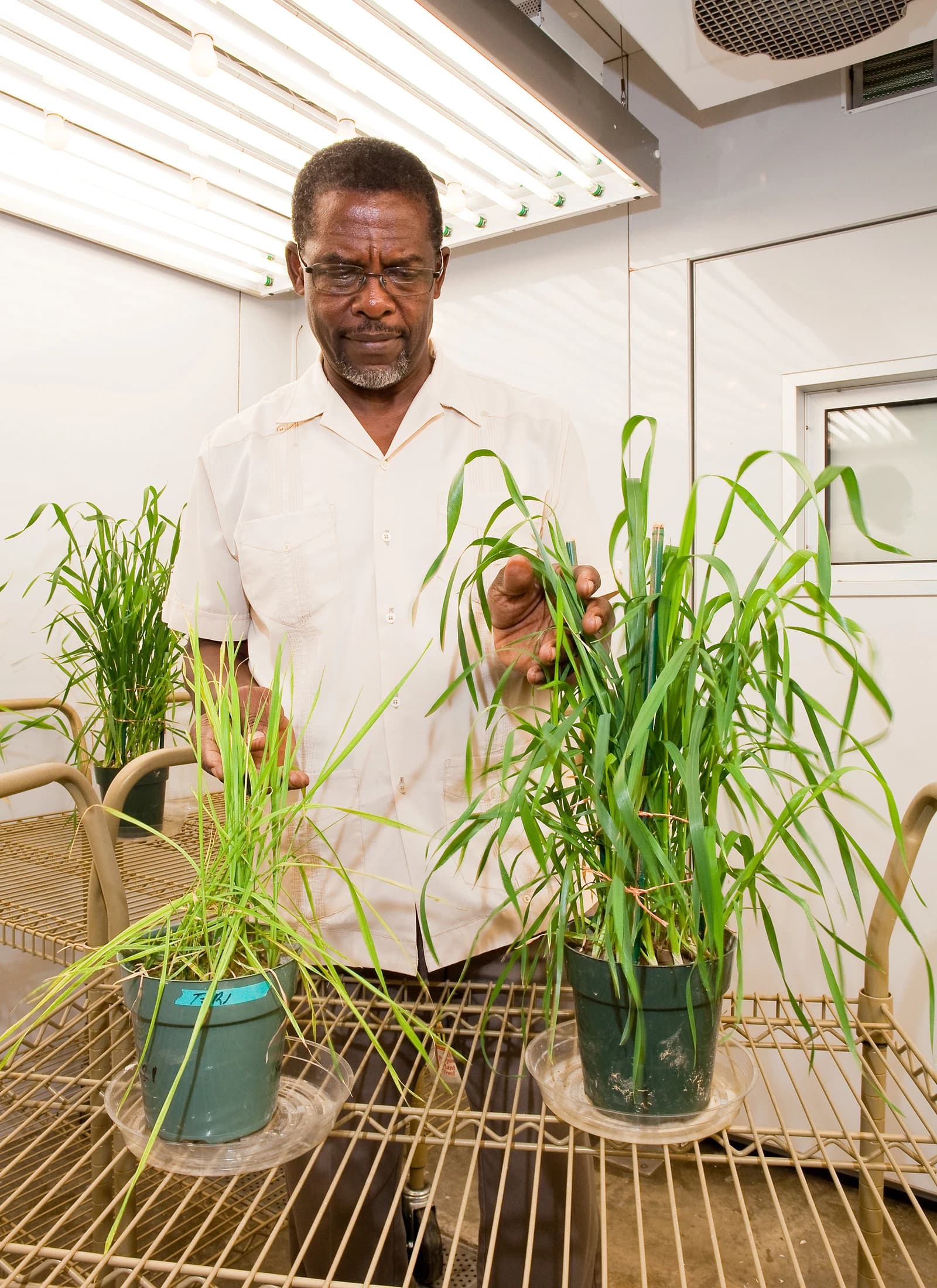
The project team said the model was trained on 2,000 wheat genetic resources grown under different environmental conditions, with breeders scoring each plant and feeding those assessments back into the system. That is significant because crop-breeding models are only as good as the data behind them; in this case, the training set combines machine vision with the accumulated experience of specialists who have spent years selecting high-performing lines.
For China, the economic logic is straightforward. Agriculture remains exposed to labor constraints, uneven field conditions and the need to raise productivity without proportionate gains in land or inputs. A system that can screen plants in the field, tag candidates with spray paint and hand off the final judgment to breeders could cut bottlenecks in early-stage selection, where the biggest gains in scale are often made.
The timing also fits Beijing’s broader policy push. The central government this year laid out a five-year plan for agricultural reform that explicitly calls for greater use of advanced technology, including AI in breeding, pest detection and yield forecasting. The robot therefore looks less like an isolated laboratory demonstration than an early example of a state-directed effort to modernize the breeding pipeline.
Commercialization is now the next test. The research team said it has reached a preliminary agreement with Shandong Jizhi Biotech, a gene technology and smart-breeding company, to develop the robot for commercial use. If that effort succeeds, the technology could create a market for precision breeding tools alongside seed genetics, farm automation and data services.
Investors should read this as part of a larger shift in China’s agricultural technology stack. The opportunity is not only in robotics hardware but in the integration of imaging, decision software and breeding data — areas that could benefit automation suppliers, agricultural biotech firms and domestic companies focused on seed productivity. The bigger picture is that China is trying to turn AI from a general-purpose technology into a food-security instrument.
The bear case is that commercialization may be slow and the economics uncertain. Breeding remains a long-cycle business, field conditions vary widely and human experts will still be needed for final selection. But the bull case is stronger if the robot can reliably raise throughput and standardize early screening, especially in a system where scaling breeder judgment has historically been the limiting factor.
For investors tracking the intersection of AI and agriculture, the key implication is that China is now pushing intelligence deeper into core food-production processes, not just logistics or consumer applications. That raises the strategic value of companies tied to agritech, automation and seed development, while underscoring how food security is becoming a technology race as much as an agricultural one.
| Entity | Gains | Losses |
|---|---|---|
| Chinese breeders | ▲Faster screening | ▼Manual field workload |
| Shandong Jizhi Biotech | ▲Commercialization opportunity | ▼R&D and execution risk |
| Agritech and automation suppliers | ▲Higher demand for precision tools | ▼Slow adoption cycles |
| Traditional selection methods | ▲— | ▼Scale and consistency advantage |