Mangrove rehabilitation at Indonesia’s Weda Bay industrial complex is becoming more than a public-relations exercise: it is a bid to keep nickel expansion politically and socially sustainable by tying new jobs and exports to visible environmental repair.
Indonesia Weda Bay expands mangrove restoration
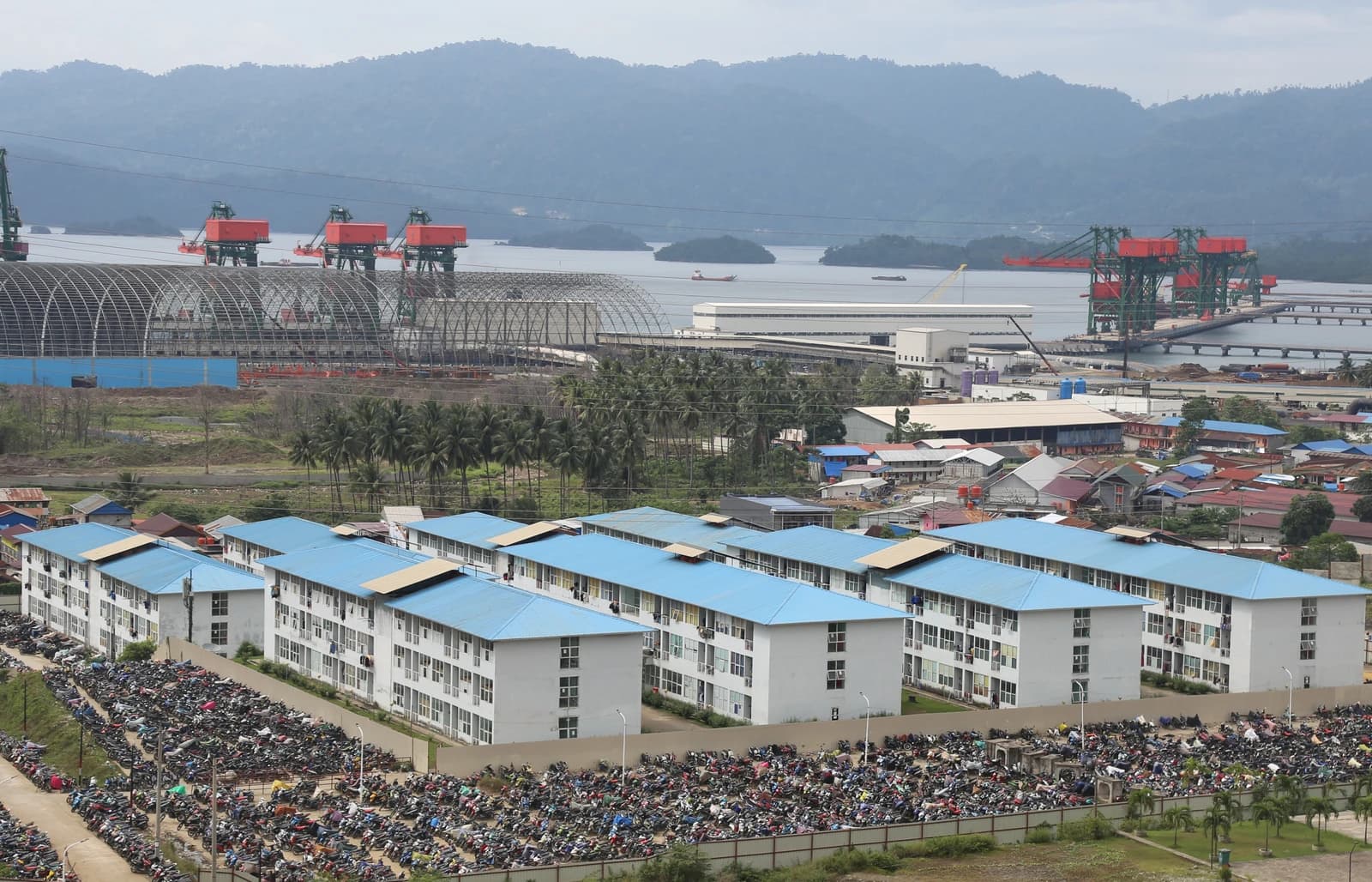
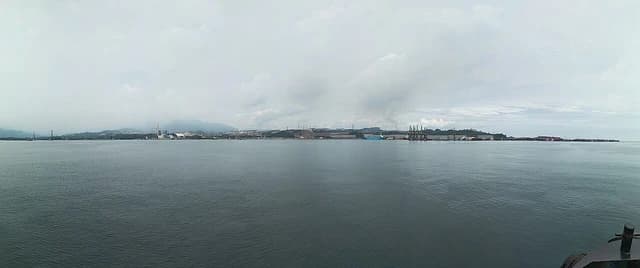
PT Indonesia Weda Bay Industrial Park, or IWIP, and PT Weda Bay Nickel are widening their mangrove restoration program in North Maluku, extending work from Kobe village in Central Halmahera to Sil and Sowoli in East Halmahera. The companies say the effort is part of a roadmap to plant 1 million mangrove seedlings over time, with 36,500 already in the ground by September 2026.
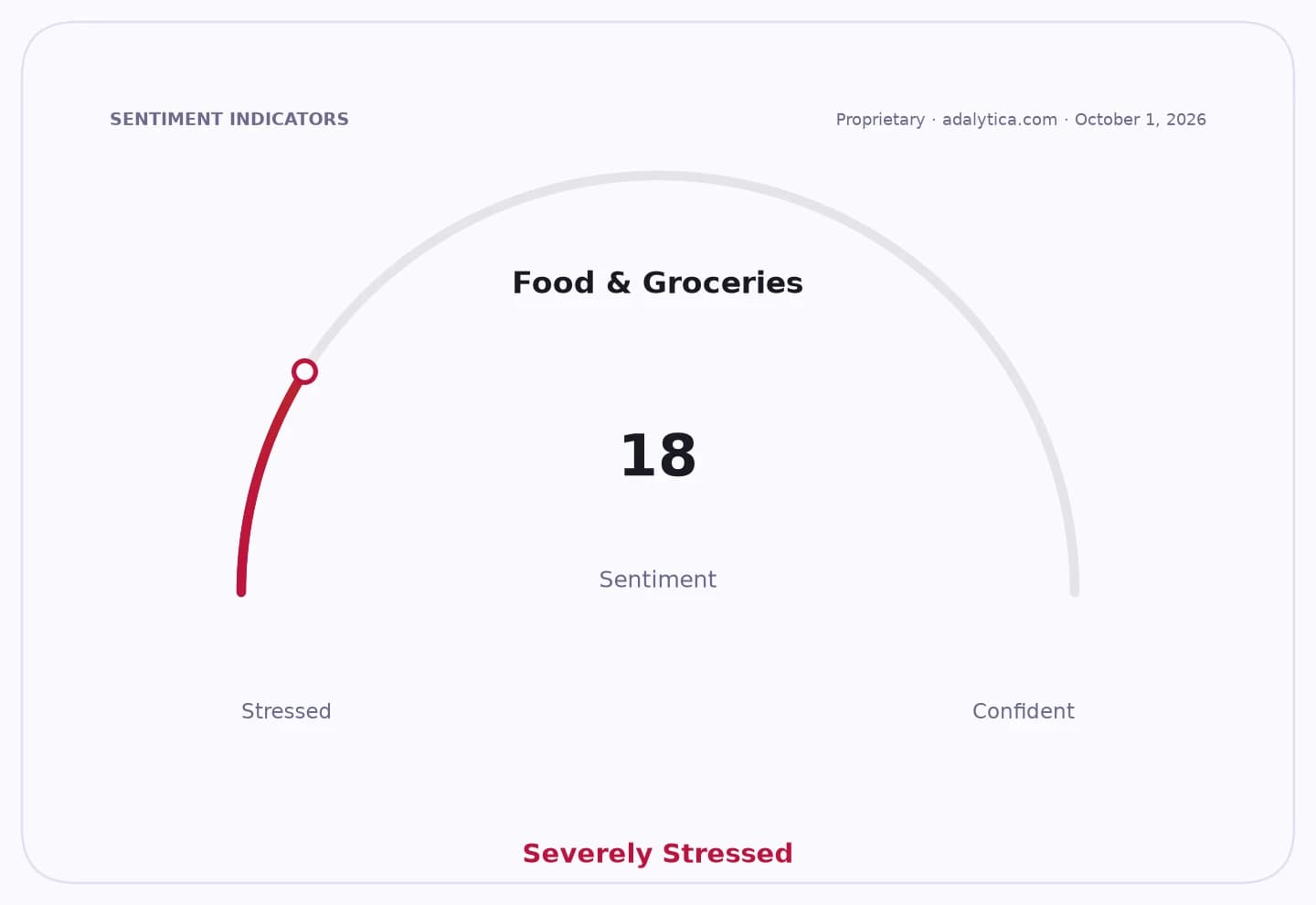
Sentiment IndicatorsⓘProprietary · adalytica.com · September 26, 2026
This is a snapshot — live sentiment, awareness and momentum for 130+ markets update continuously in the dashboard.Open AlphaPulse
That matters because Indonesia’s nickel industry sits at the center of the global battery supply chain, but it also faces constant scrutiny over land use, coastal damage and community impact. For investors, the message is simple: projects that can show they are creating jobs while reducing environmental risk are far more likely to keep operating smoothly for years, which is what ultimately protects production, cash flow and returns.
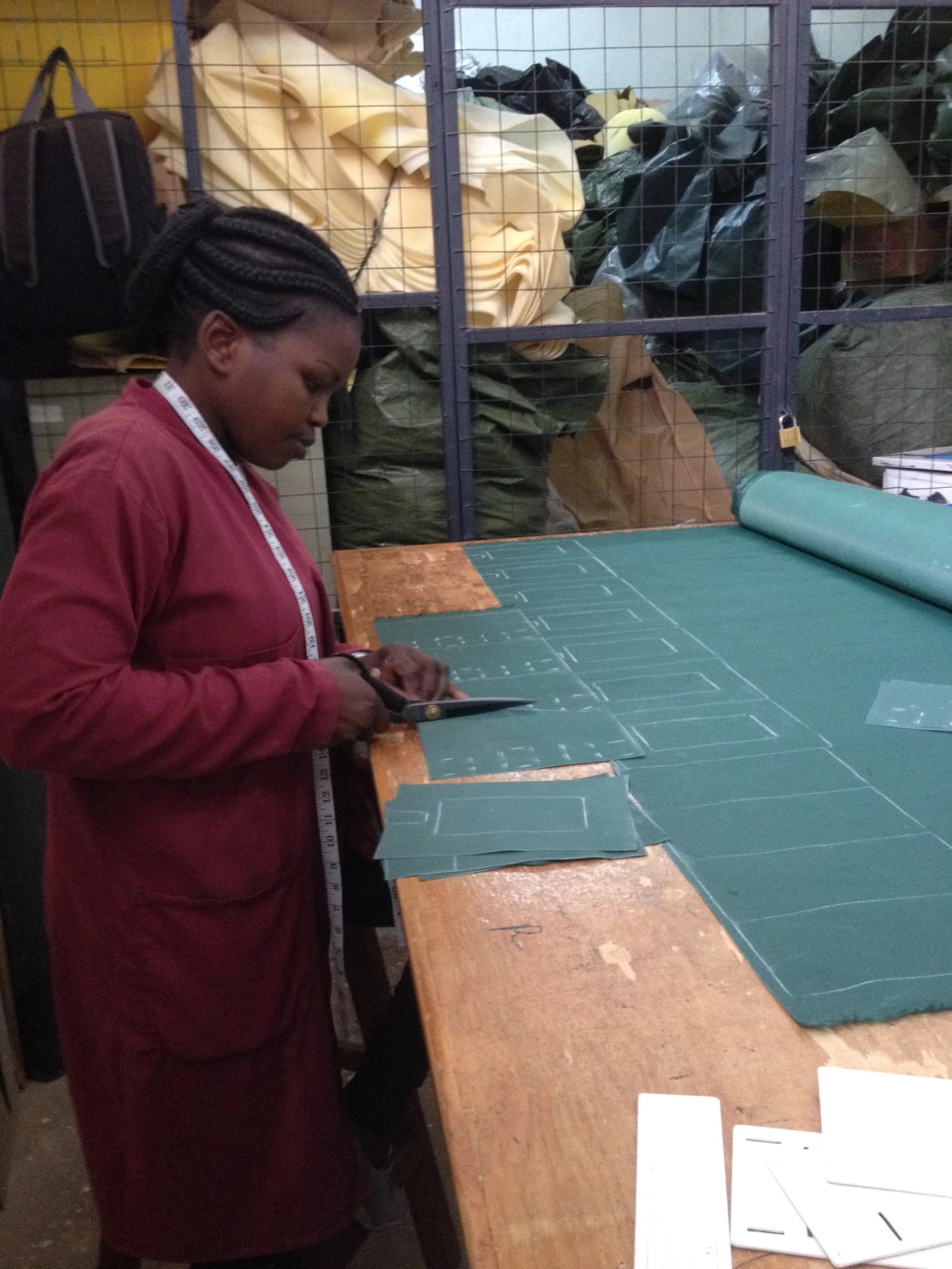
IWIP and WBN are not just planting trees and walking away. Their approach includes nursery development, maintenance, monitoring and local participation, with villagers involved in seedling production, planting and upkeep. The companies are also tailoring methods to each site, adjusting for land conditions, mangrove species and planting techniques so the restored areas can survive and expand sustainably.
That local supply chain is part of the story. Seedlings from Kobe are being used to support planting in Sil and Sowoli, while nurseries in those villages are being built up to supply future rehabilitation sites. Working with village governments and the local watershed agency, the companies are trying to create a model that can scale without depending entirely on outside inputs.
For the broader Indonesian economy, the strategy reflects a familiar balancing act: how to keep industrial development moving in a region that wants jobs and infrastructure, while limiting the environmental backlash that can slow permits, trigger opposition or raise long-term operating costs. Mangroves are especially valuable because they protect shorelines from erosion, provide habitat and absorb carbon, making them a relatively efficient form of ecological insurance for a coastal industrial zone.
For long-term investors, the takeaway is that industrial assets tied to critical minerals do not live or die on output alone. Their durability depends on whether management can build a social license to operate. A program like this will not transform the economics of a nickel project overnight, but it can reduce one of the biggest hidden risks in resource investing: disruption.
If IWIP and WBN can keep expanding production while proving that restoration is baked into the business model, they strengthen the case for North Maluku as a durable nickel hub. That is worth watching closely, especially for investors who think in years rather than quarters.
| Entity | Gains | Losses |
|---|---|---|
| IWIP and WBN | ▲stronger social license | ▼higher operating complexity |
| Local communities | ▲jobs and nursery income | ▼less short-term land use flexibility |
| Mangrove ecosystems | ▲shoreline protection | ▼coastal degradation if program stalls |
| Nickel investors | ▲lower disruption risk | ▼extra ESG and compliance costs |