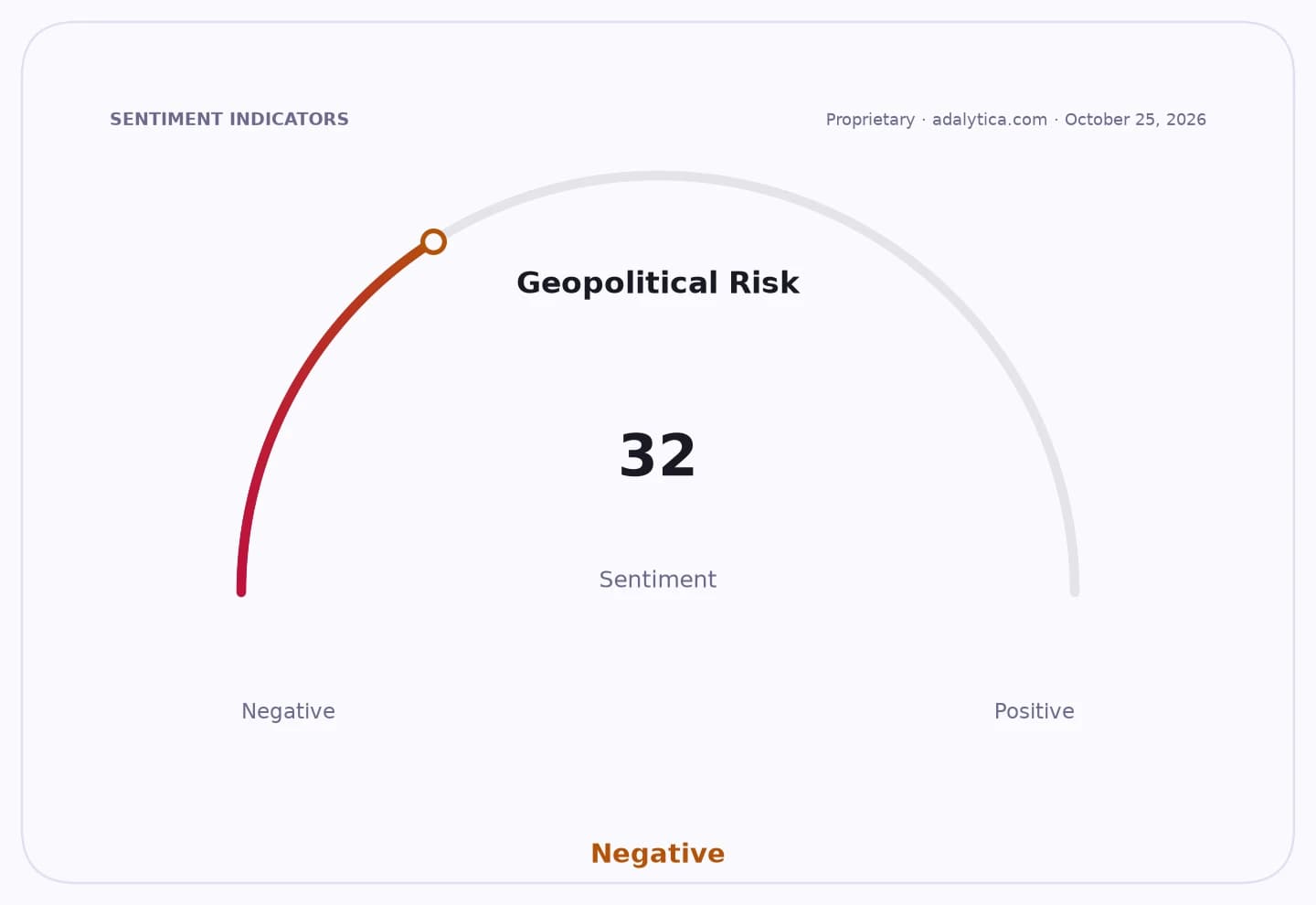
Fuel shortages in Indonesia are turning from a local supply problem into a broader macro risk, threatening tourism-heavy regions like Bali, squeezing transport and logistics, and adding fresh pressure to October inflation.
Indonesia Fuel Shortages Raise Inflation Risks
The immediate economic damage is straightforward: when motorists are lining up for hours — in some places for about a kilometer — productivity falls, deliveries slow and businesses that depend on mobility lose revenue. For an economy that leans heavily on domestic travel, hospitality and small businesses, fuel disruption is not just an inconvenience. It is a hit to output, margins and consumer spending power.
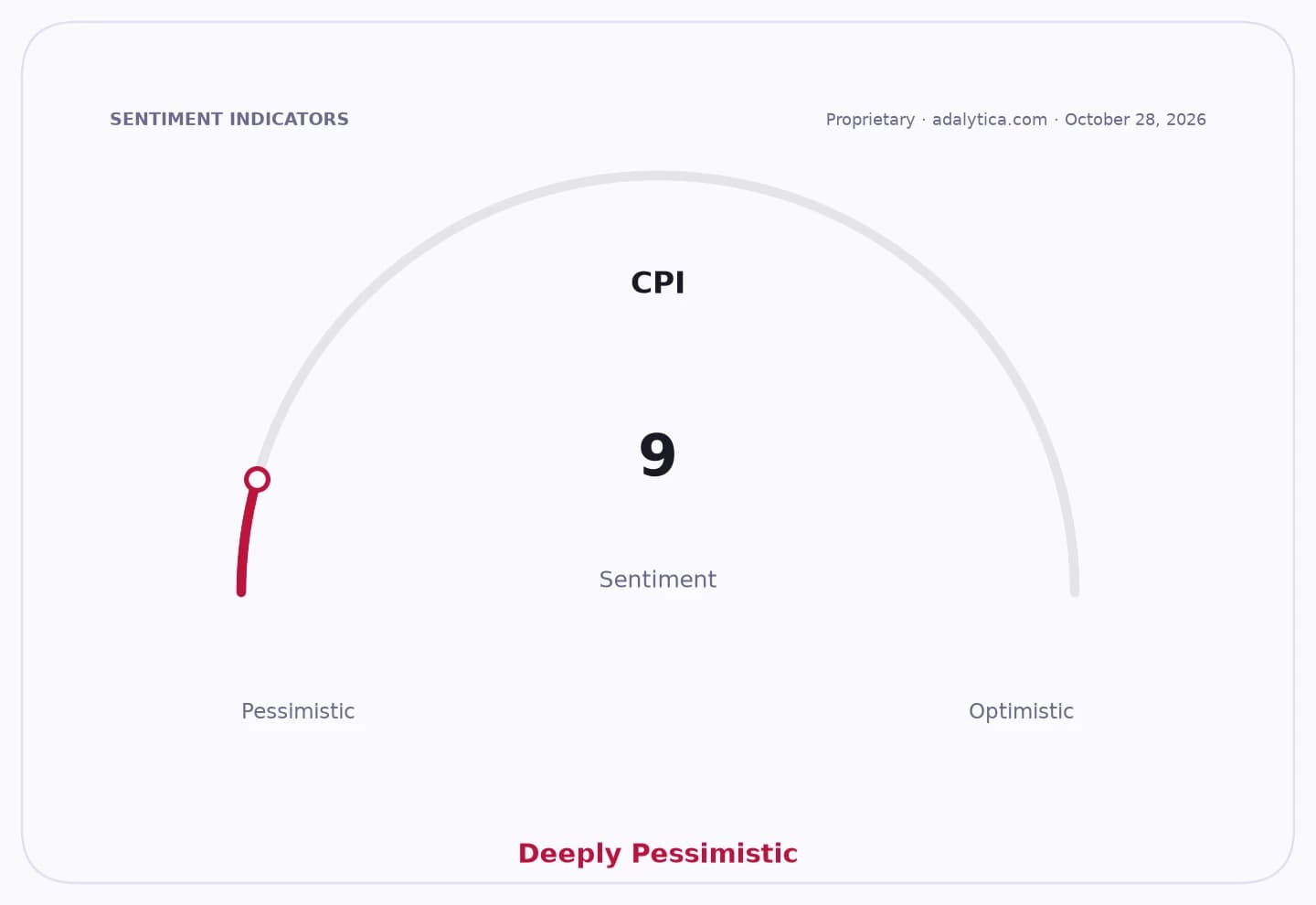
Sentiment IndicatorsⓘProprietary · adalytica.com · October 28, 2026
This is a snapshot — live sentiment, awareness and momentum for 130+ markets update continuously in the dashboard.Open AlphaPulse
That matters most in Bali, where tourism is both a local engine and a national calling card. Long queues at filling stations risk denting the island’s image as a seamless destination just as the sector should be capturing peak travel demand. If workers cannot get to jobs, taxis cannot run on schedule and hotels and restaurants face higher input costs, the spillover reaches far beyond the pump. The same is true in other affected provinces, including Papua Barat, Banten, Kalimantan Barat, Sumatra Barat, Sumatra Utara, Sulawesi Barat, Sulawesi Utara, Sulawesi Tenggara, Aceh and West Java.
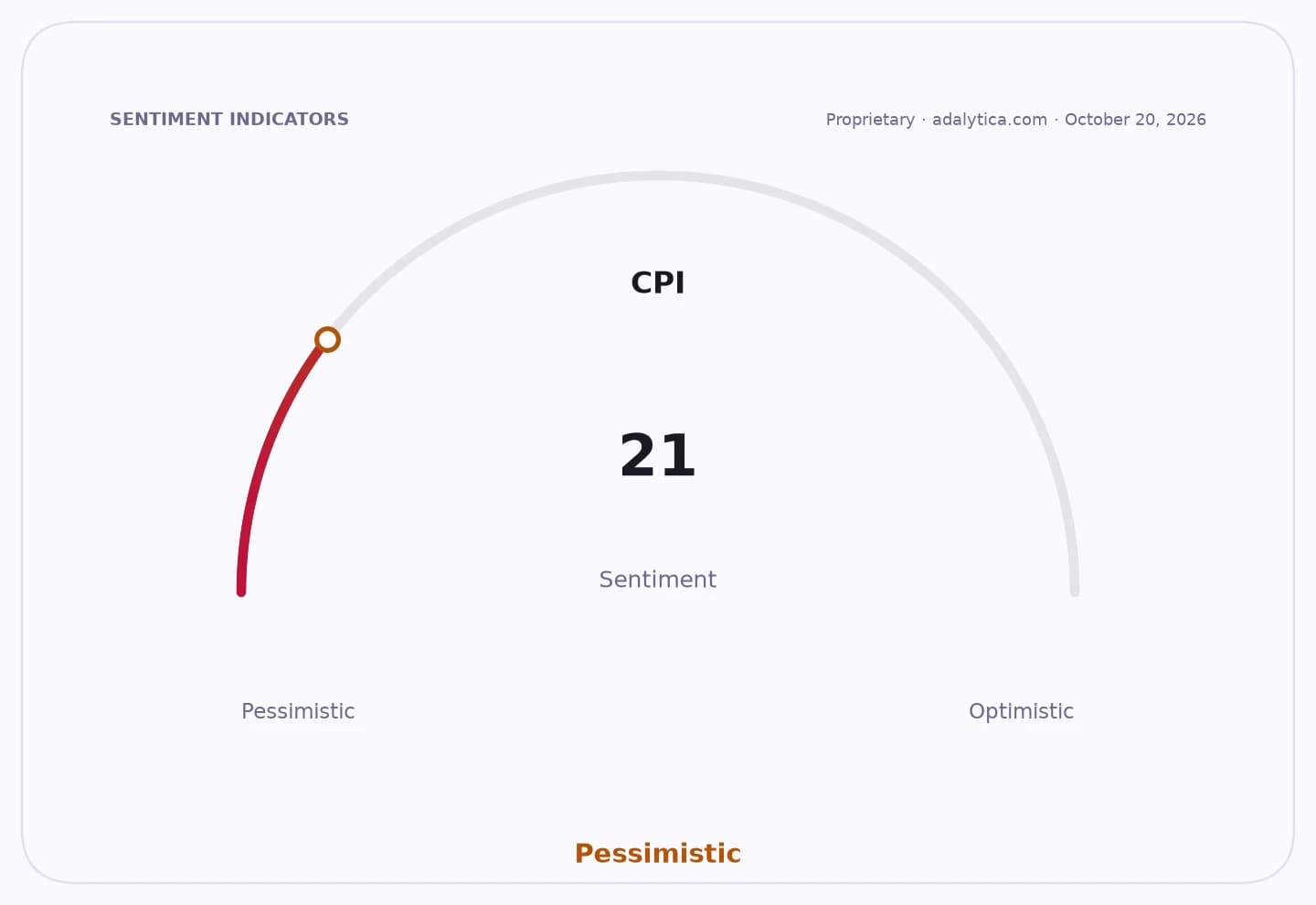
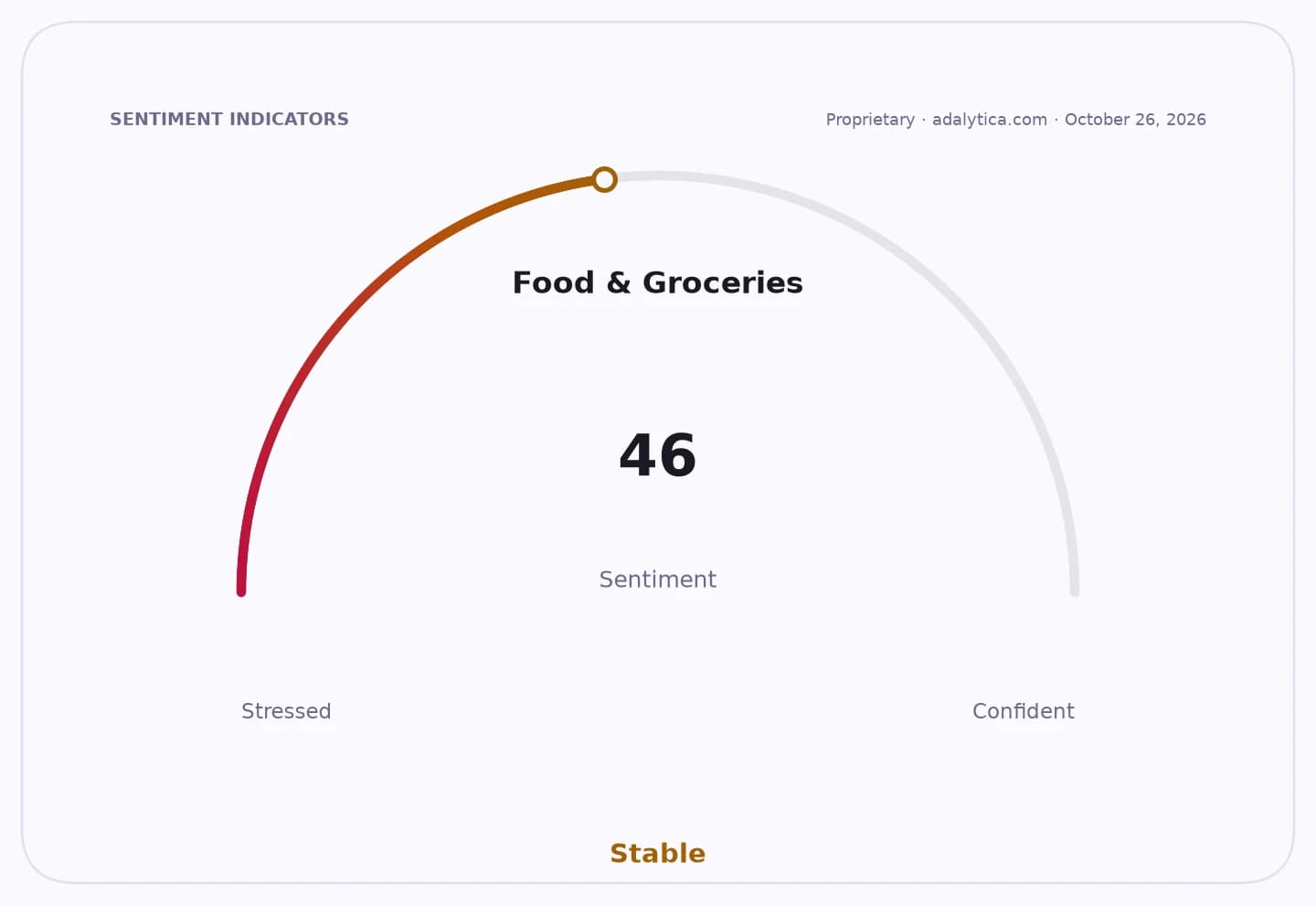
The inflation risk is equally important. Indonesian economists warn that transport inflation could rise sharply if fuel availability remains uneven, and that would filter into food, beverages and tobacco through higher distribution costs. Transport prices have already been running above overall inflation, which suggests the system is vulnerable to another leg higher. In practical terms, this means fewer discounts at the consumer level, tighter household budgets and weaker real spending — a bad mix for a growth model that still depends heavily on domestic demand.
DCOILWTICO vs CPIAUCSL — macro contextadalytica.com
Explore this data interactively — full history, time series and cross-market comparisons.Open AlphaPulse
The backdrop makes the episode more worrying. Energy Minister Bahlil Lahadalia said Indonesia is still importing part of its subsidized Pertalite gasoline from Singapore, underscoring how exposed the country remains to external supply chains despite its size. National oil consumption is around 1.6 million barrels a day, while domestic lifting is only about 600,000 barrels a day, leaving a structural gap that must be filled by imports. Officials say stock levels have fallen to 16-18 days from a normal 20-day cushion. That is not a crisis yet, but it is thin enough to make distribution hiccups bite hard.
For investors, the message is that fuel chaos is a second-order inflation shock, not just a headline risk. It supports a firmer case for energy-related assets, logistics repricing and businesses with real pricing power, while pressuring airlines, hospitality operators and consumer names exposed to travel disruption. Indonesia’s domestic market may absorb some of the shock if the problem is short-lived, but if the queues persist, the market should expect weaker tourism receipts, higher operating costs and more persistent price pressure.
The trade is clear: own the beneficiaries of energy scarcity and resilient pricing, and stay cautious on the domestic demand winners most exposed to mobility, tourism and freight costs. In a market that still tends to treat fuel interruptions as temporary noise, this is the kind of bottleneck that can quickly become an earnings story and, if it lasts long enough, a macro one.
| Entity | Gains | Losses |
|---|---|---|
| Energy producers | ▲Higher fuel-linked pricing | ▼Political scrutiny |
| Logistics firms | ▲Pass-through pricing power | ▼Higher operating costs |
| Tourism operators | ▲— | ▼Lower arrivals, weaker bookings |
| Indonesian consumers | ▲— | ▼Higher transport and food costs |