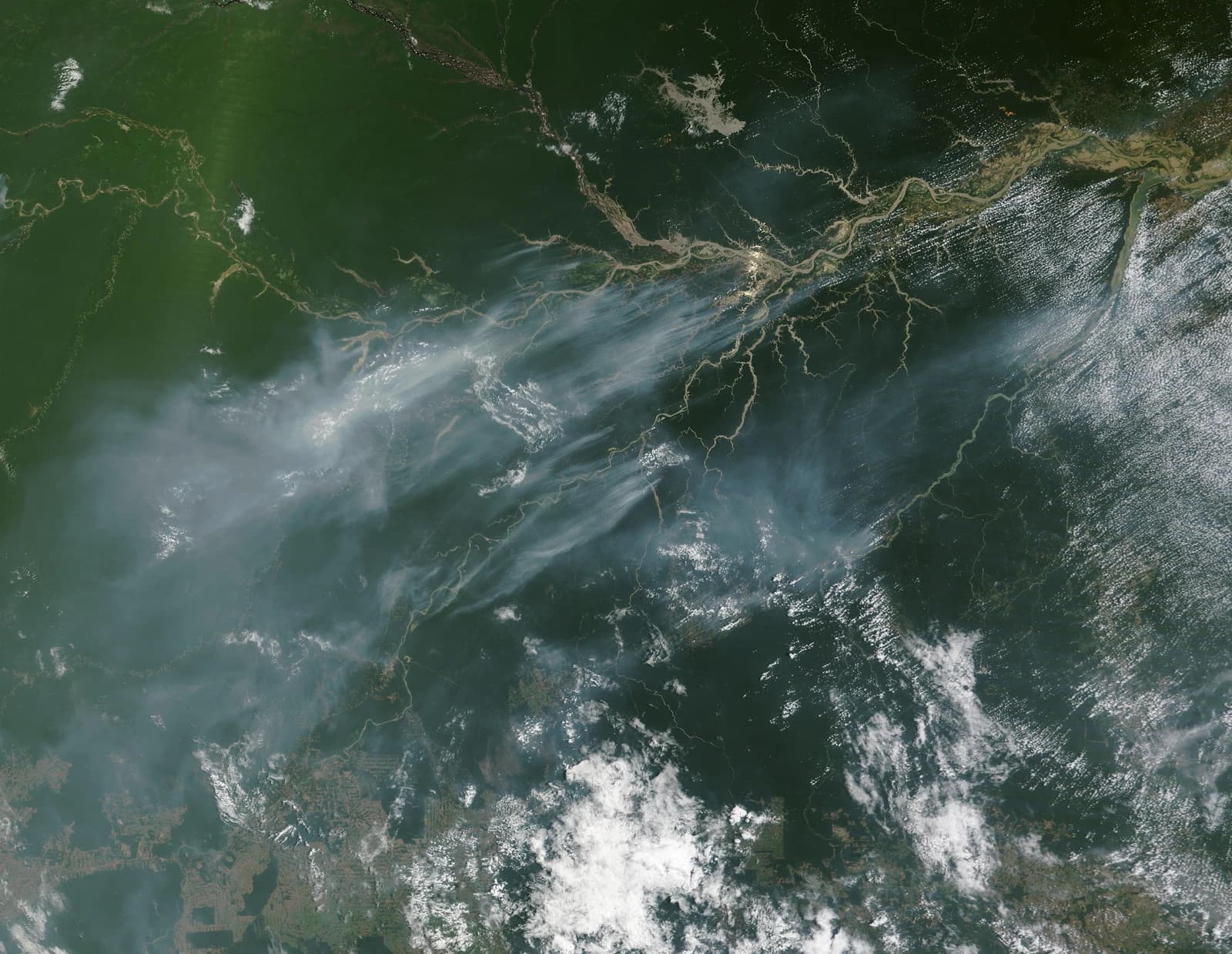
Indonesia’s small-business sector is coming under fresh pressure as the government moves to map the damage from forest and land fires to MSME activity and income, a step that could shape relief measures if haze continues to curb operations across fire-hit provinces.
Indonesia MSMEs Face Fire Damage Assessment
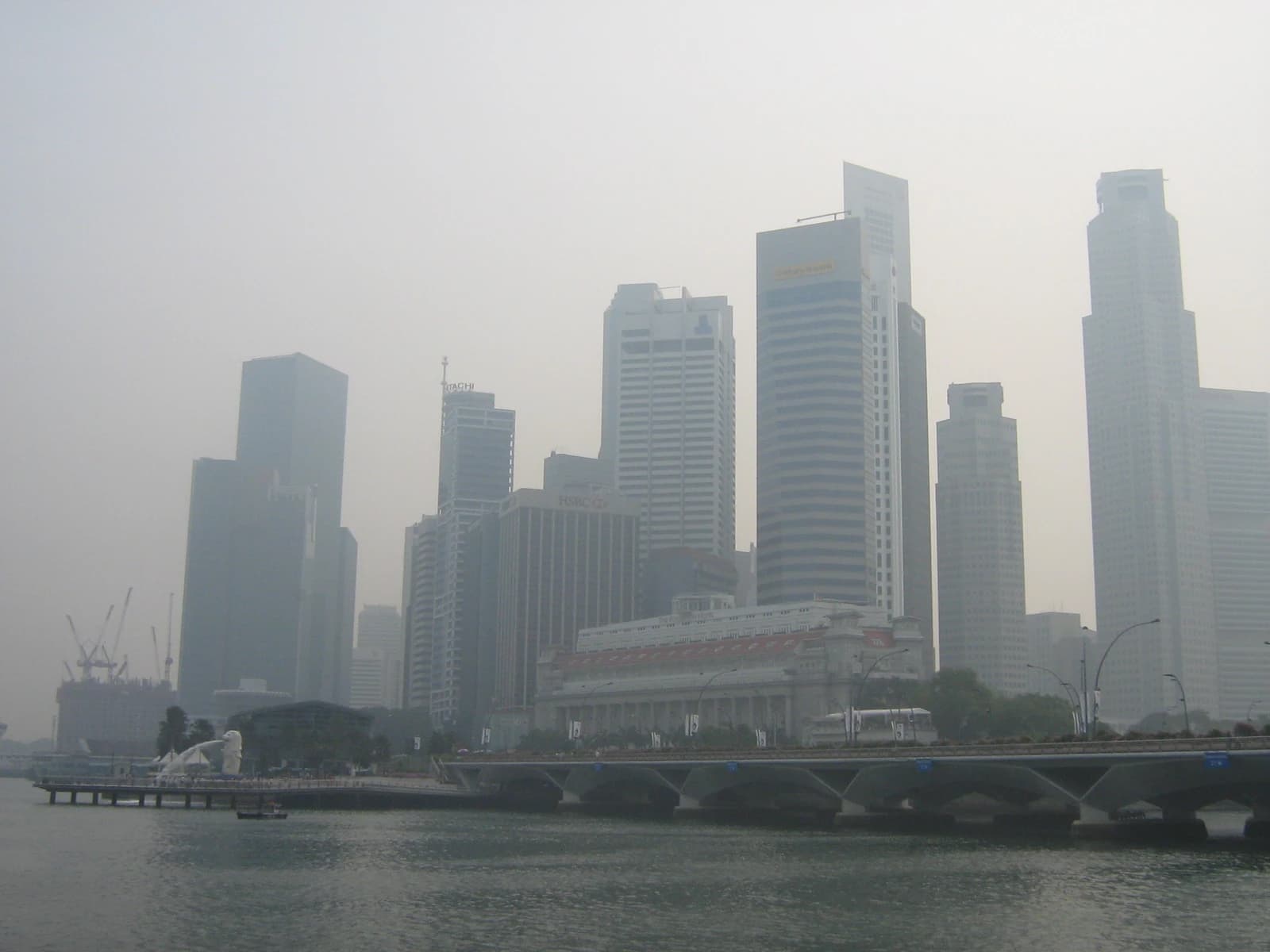
UMKM Minister Maman Abdurahman said the data collection will be carried out with local cooperative and MSME offices to identify firms hit by smoke and reduced foot traffic, and to assess whether the fires are threatening business continuity. The focus is on businesses whose activity and revenue have fallen sharply as haze disrupts transport, outdoor commerce and daily consumer spending.
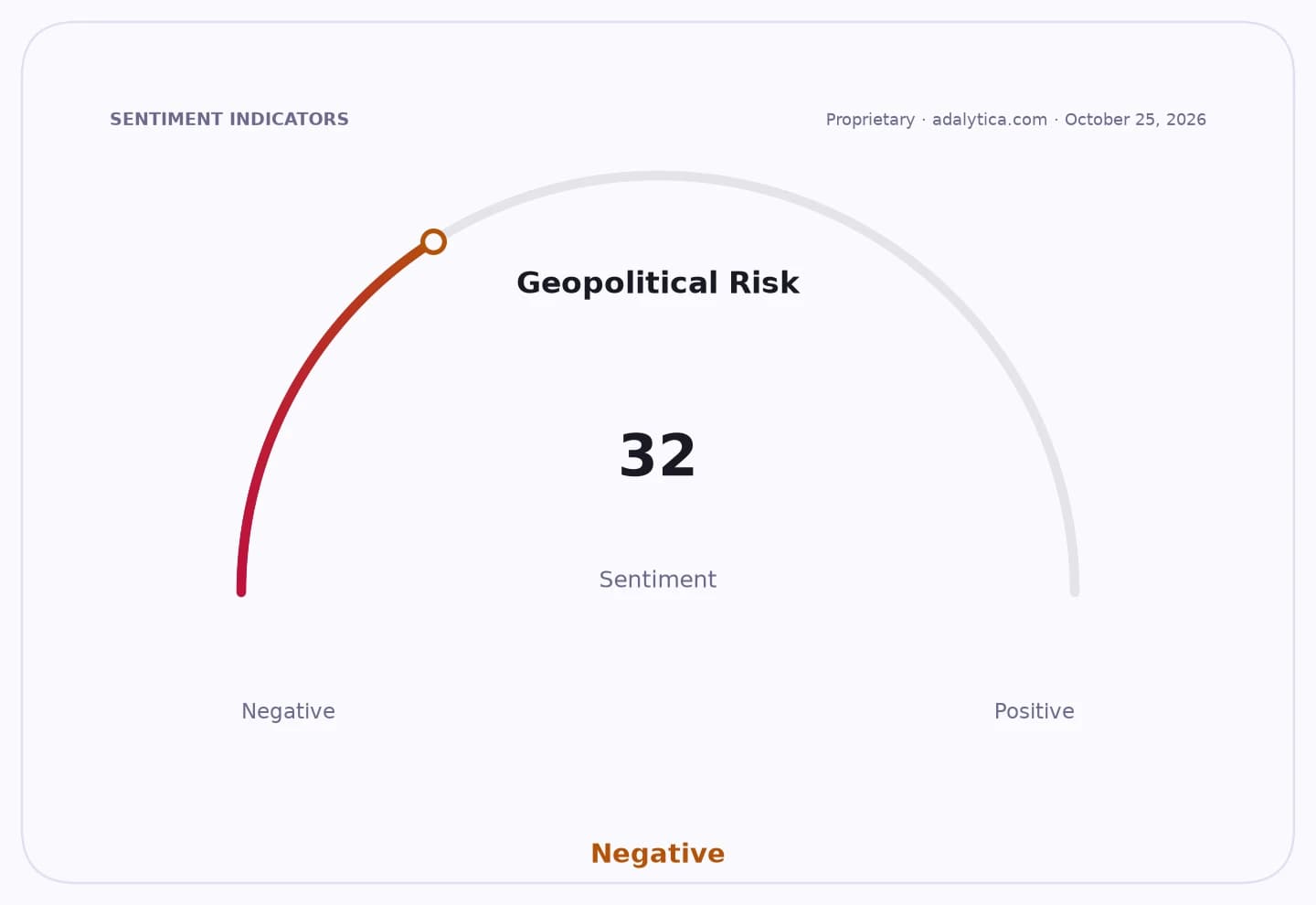
Sentiment IndicatorsⓘProprietary · adalytica.com · October 25, 2026
This is a snapshot — live sentiment, awareness and momentum for 130+ markets update continuously in the dashboard.Open AlphaPulse
The move matters economically because MSMEs make up the backbone of local employment and household income in many Indonesian regions, so even temporary disruptions can ripple through retail sales, services and informal labor demand. Fires also add a public-health cost that can reduce mobility and productivity, raising the risk of a broader slowdown in affected areas if conditions worsen.
For investors, the immediate read-through is to local consumption and logistics exposure in Sumatra and Kalimantan, where recurring fire seasons can dent sales for consumer-facing businesses and raise operating costs for transport, agriculture and small distributors. Companies with supply chains tied to fire-prone areas may face delays, weaker volumes and higher contingency spending if the haze persists.
The government’s data-gathering effort suggests Jakarta is preparing for a more targeted policy response rather than a blanket intervention, with any future aid likely to depend on the scale of damage uncovered. That leaves the next catalysts in the severity of the fire season, the speed of containment efforts and whether the damage begins to show up in regional output and small-business income.
| Entity | Gains | Losses |
|---|---|---|
| MSMEs in fire-hit regions | ▲Potential aid and recognition | ▼Lost sales and lower income |
| Local governments | ▲Better damage data | ▼More pressure to respond |
| Consumers in affected areas | ▲Possible future relief | ▼Reduced access to goods and services |
| Transport and local supply chains | ▲Possible support measures | ▼Delays, weaker volumes, higher costs |