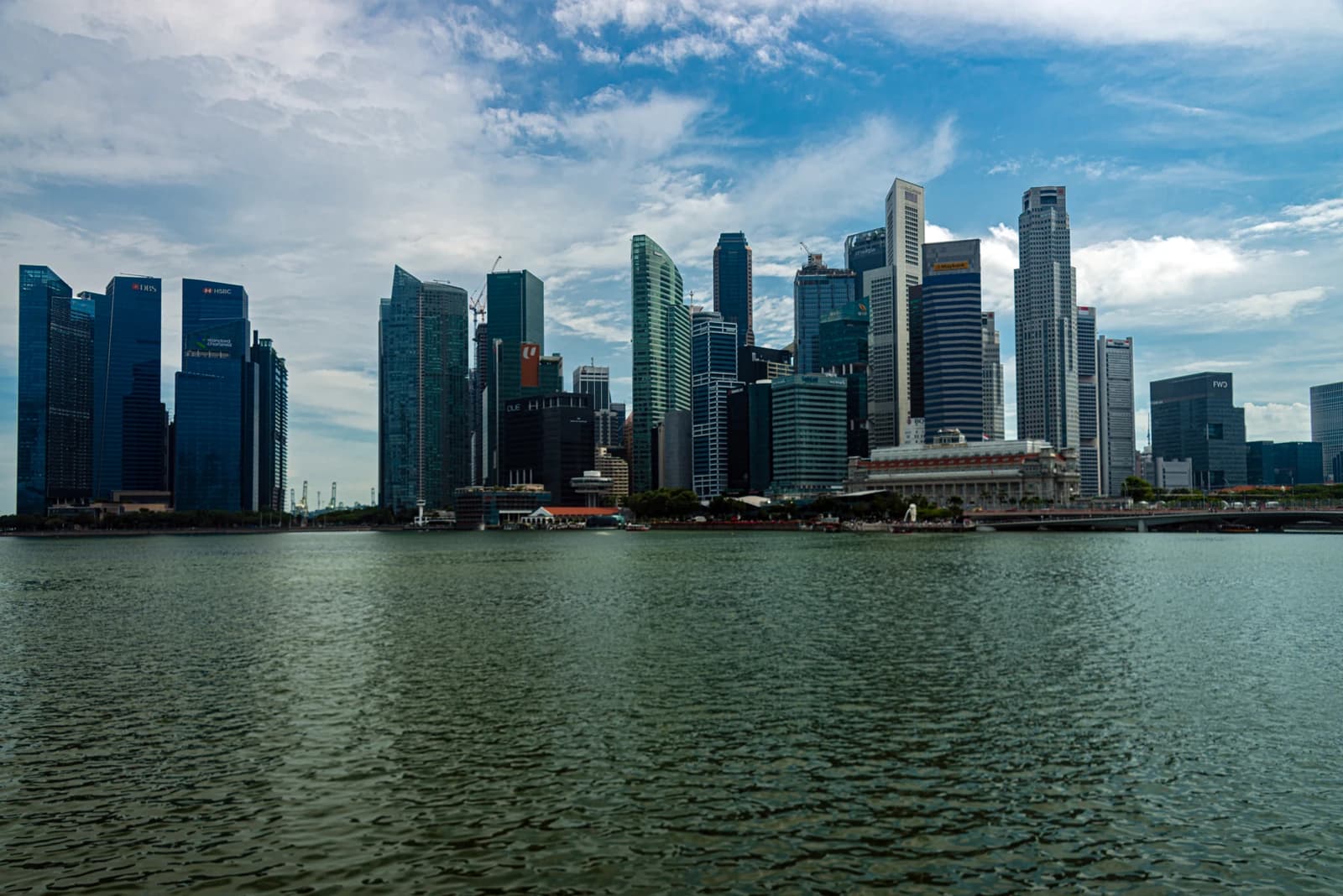
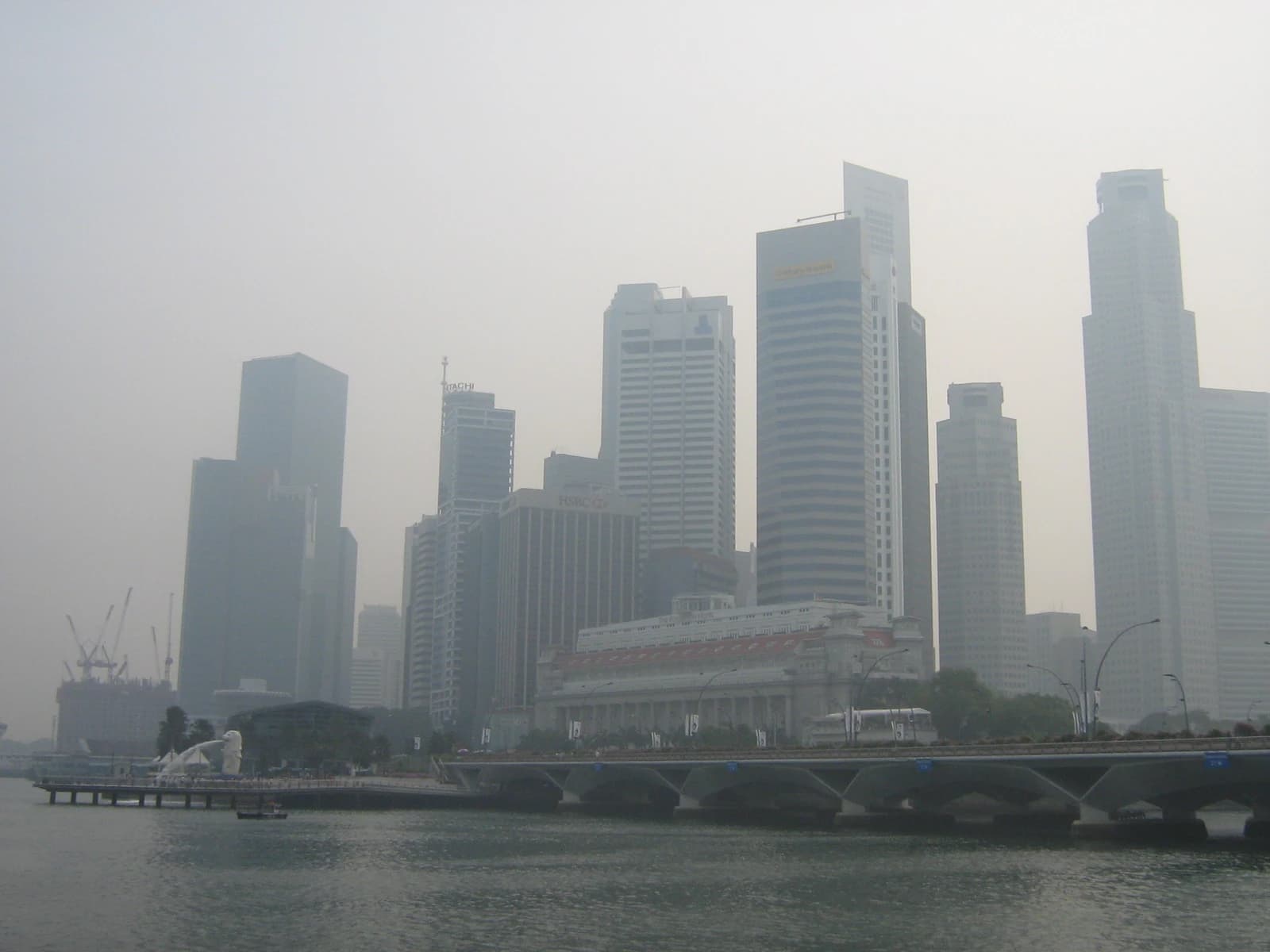
Singapore’s worsening haze is already weighing on outdoor business activity, but economists say the bigger economic story is how contained the damage is likely to be if the episode does not drag on much longer.
Singapore haze hits outdoor businesses, boosts purifiers
That matters because Singapore is a highly open, service-heavy economy, and a prolonged air-quality shock can ripple through retail, transport, construction and tourism. Yet analysts say the sectors most exposed to hazy conditions make up only a modest slice of GDP, while the economy’s core growth engines — electronics manufacturing, finance and much of industrial production — are relatively insulated because they are indoors or can shift to remote work.
Sentiment IndicatorsⓘProprietary · adalytica.com · October 18, 2026
This is a snapshot — live sentiment, awareness and momentum for 130+ markets update continuously in the dashboard.Open AlphaPulse
Singapore has logged 12 straight days of “unhealthy” PSI readings, the longest such stretch since 2015, with the central region hitting a “very unhealthy” 24-hour reading of 227 on Friday, a year high. That is enough to disrupt consumer behavior and business routines. Construction firms are already adjusting schedules, reducing strenuous outdoor work and adding rest breaks, while some restaurants and tourism-linked businesses face softer foot traffic and weaker visitor demand.
Still, the hit to output appears manageable for now. Maybank economist Brian Lee said the effect should not be overstated, noting that contact-sensitive sectors account for only a modest single-digit share of GDP. RHB’s Barnabas Gan said the overall impact should remain modest if the haze is short-lived, though prolonged conditions could weigh on services activity, labour productivity and operating costs.
The distribution of pain and gain is what makes this episode economically interesting. Firms with outdoor exposure are on the front line, but companies selling haze-related products are seeing a clear lift. Best Denki said air-purifier sales have surged more than 600% from a year earlier, while demand for masks at ST Engineering has risen and Dyson said visits to its Singapore air-purifier pages jumped more than 10 times versus the same period last year.
For investors, the lesson is less about a broad macro shock and more about sector positioning. Haze is a temporary headwind for consumer-facing and labor-intensive businesses, but it is not the kind of event that usually changes Singapore’s longer-term growth story. If anything, it reinforces the resilience of the city-state’s industrial and financial base, while highlighting how quickly demand can shift toward defensive, at-home consumption.
The other takeaway is that cross-border pollution can still create real operational friction even when the GDP impact is limited. If the haze persists, investors should watch for pressure on tourism, retail and construction, alongside pockets of strength in air purification, masks, delivery and e-commerce. For long-term investors, this looks like a weather-driven earnings wrinkle, not a thesis-breaker — but it is worth watching closely.
| Entity | Gains | Losses |
|---|---|---|
| Air-purifier and mask sellers | ▲Higher demand | ▼None in the short term |
| Construction and transport firms | ▲Limited if haze clears | ▼Lower productivity |
| Retail, hotels and F&B | ▲Indoor demand shift | ▼Softer foot traffic |
| Singapore economy overall | ▲Core sectors stay resilient | ▼Modest drag from exposed sectors |