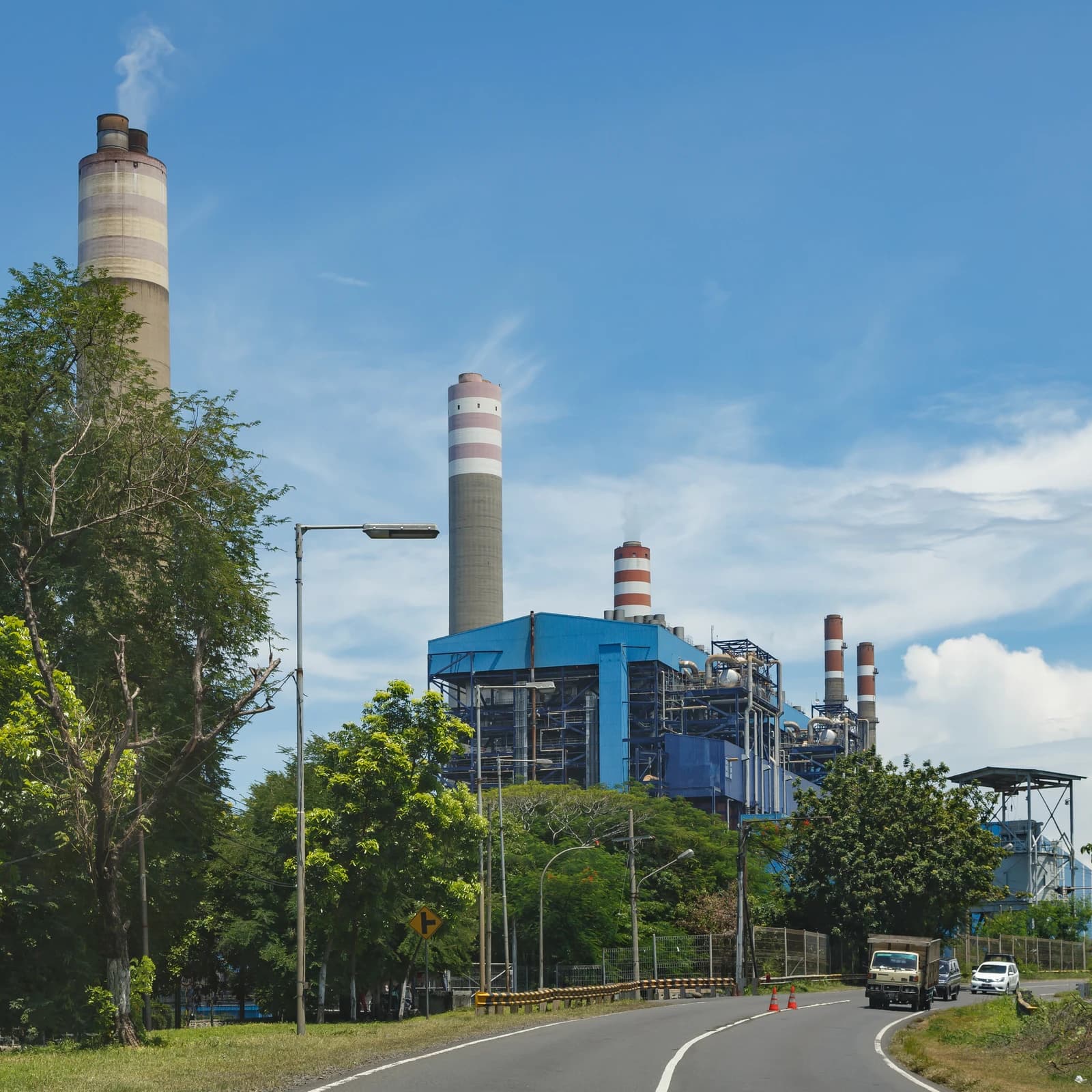
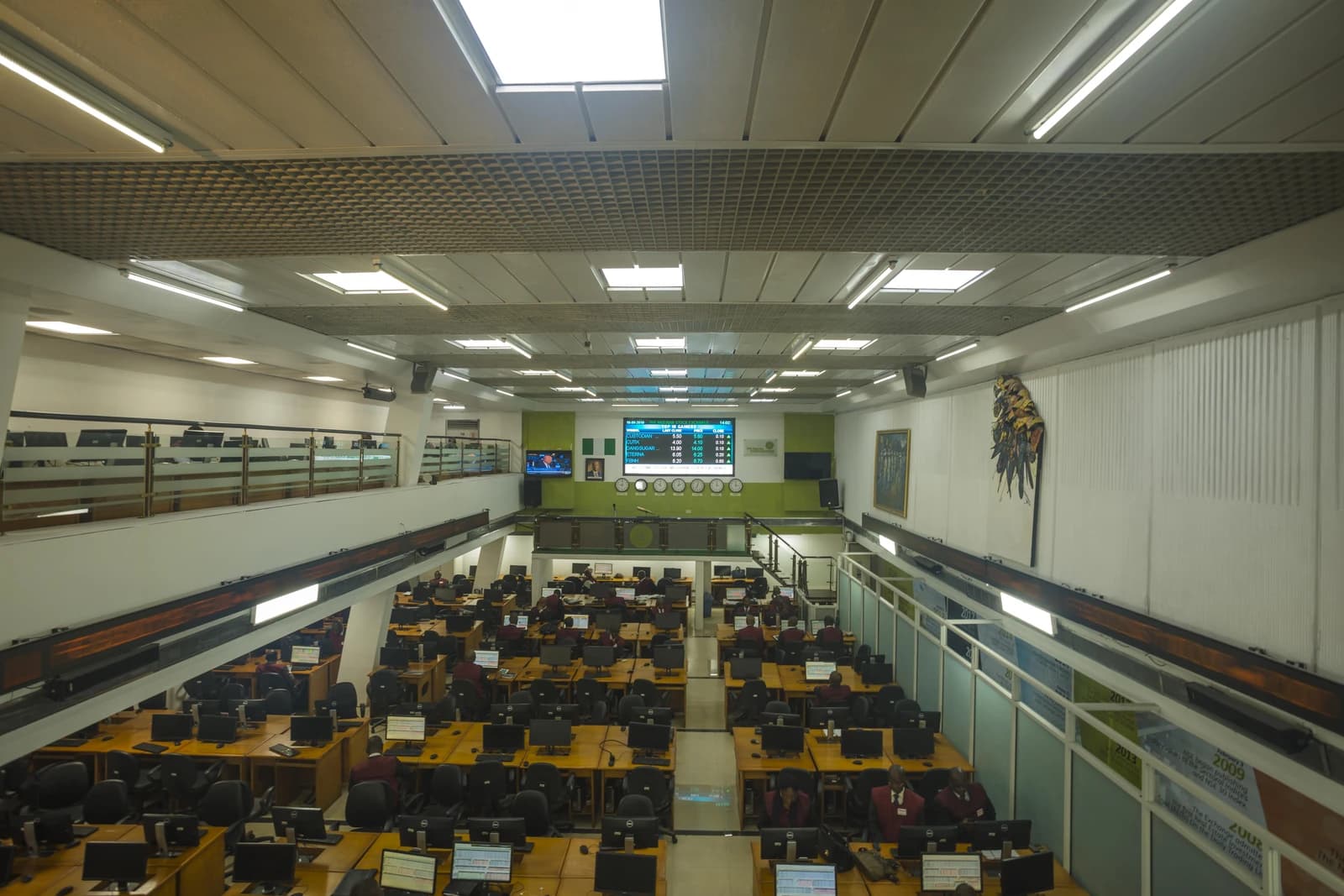
Japan’s electricity prices surged more than 25% at the start of the week as the country’s utilities faced a renewed squeeze from expensive LNG and rising coal costs, lifting the cost of power in the world’s fourth-largest economy and underscoring how quickly imported fuel shocks are feeding through to consumers and industry.
Japan Electricity Prices Jump 25% on LNG Costs
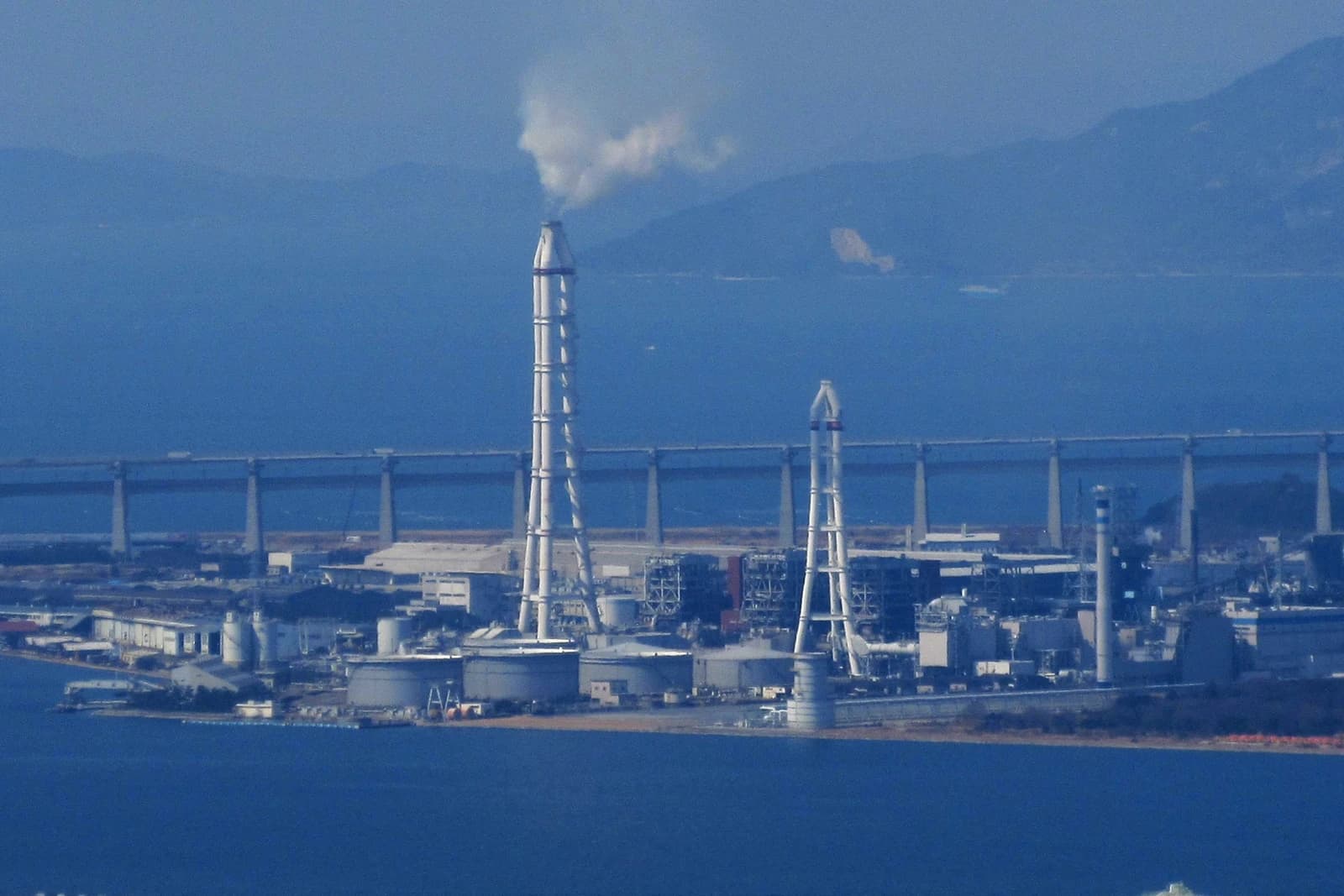
The nationwide average power price climbed to $0.19, or 31.15 yen per kilowatt-hour, on Monday, up from the previous week, according to Bloomberg data from the Japan Electric Power Exchange. The move matters because electricity is one of the clearest channels through which Japan’s imported energy bill hits households, manufacturers and inflation at a time when policymakers are still trying to secure reliable supply ahead of winter.
Sentiment IndicatorsⓘProprietary · adalytica.com · October 24, 2026
This is a snapshot — live sentiment, awareness and momentum for 130+ markets update continuously in the dashboard.Open AlphaPulse
Japan has been leaning harder on coal and less on gas since the conflict in the Middle East pushed LNG prices higher, but that switch has not brought relief. Spot LNG for delivery into northeast Asia was assessed at $29.30 per million British thermal units at the end of last week, the highest since December 2022 and up from $26.50 the week before. Thermal coal is also more expensive, with Newcastle futures about 30% above pre-war levels, leaving utilities with few cheap options in the fuel mix.
The result is that gas-fired generation in Japan is now the most expensive in years, while coal generation is also facing a higher-cost environment. That combination raises the risk of broader power-price pass-through into industrial margins, especially for energy-intensive sectors such as chemicals, steel and semiconductors, and adds pressure to a household sector already facing higher import-related costs from oil and LNG.
The jump also reflects a supply-side constraint inside Japan itself. Scheduled maintenance at power-generating facilities ahead of winter has added to the upward move in prices this month, reducing flexibility just as fuel markets have tightened. For investors, that creates a more difficult backdrop for Japanese utilities and raises the stakes for companies with large exposure to imported fuels or fixed-power contracts.
The market backdrop is being shaped by geopolitics as much as by domestic energy planning. LNG cargoes have been hindered by shipping risks in and around the Strait of Hormuz, while competition with Europe for winter supply is intensifying. Across Asia, countries have been shifting from gas to coal on affordability and availability grounds, but Japan’s latest price spike shows that the switch is only partially protective when both fuel markets are firming at once.
Technical signals in energy markets are also consistent with a tighter backdrop. Adalytica’s Coal Fear & Greed Index points to strong sentiment in coal, while oil trade signals show extreme fear in crude despite elevated awareness, a mix that suggests traders see persistent supply risk even as broader oil momentum remains fragile. For Japan, that means the problem is less about one fuel than about the cost of imported energy as a whole.
For investors, the key question is whether this is a short-lived spike or the start of a more durable upward move in power costs. If LNG stays near four-year highs and coal remains elevated, Japanese power prices could remain under pressure into winter, complicating inflation dynamics and supporting demand for energy security assets, while weighing on utilities and industrial users with limited pricing power.
| Entity | Gains | Losses |
|---|---|---|
| LNG exporters | ▲Higher spot prices | ▼Japanese buyers face cost pressure |
| Coal producers | ▲Stronger demand | ▼Utilities pay more |
| Japanese utilities | ▲None | ▼Margin squeeze, higher procurement costs |
| Energy-intensive manufacturers | ▲None | ▼Rising operating costs |