A fresh surge of fires in the Amazon is worsening air quality in Brazil’s north and forcing authorities to step up emergency measures, underscoring how climate stress, illegal land clearing and public health risks are converging in the world’s largest rainforest.
Amazon fires worsen air quality in Brazil's north
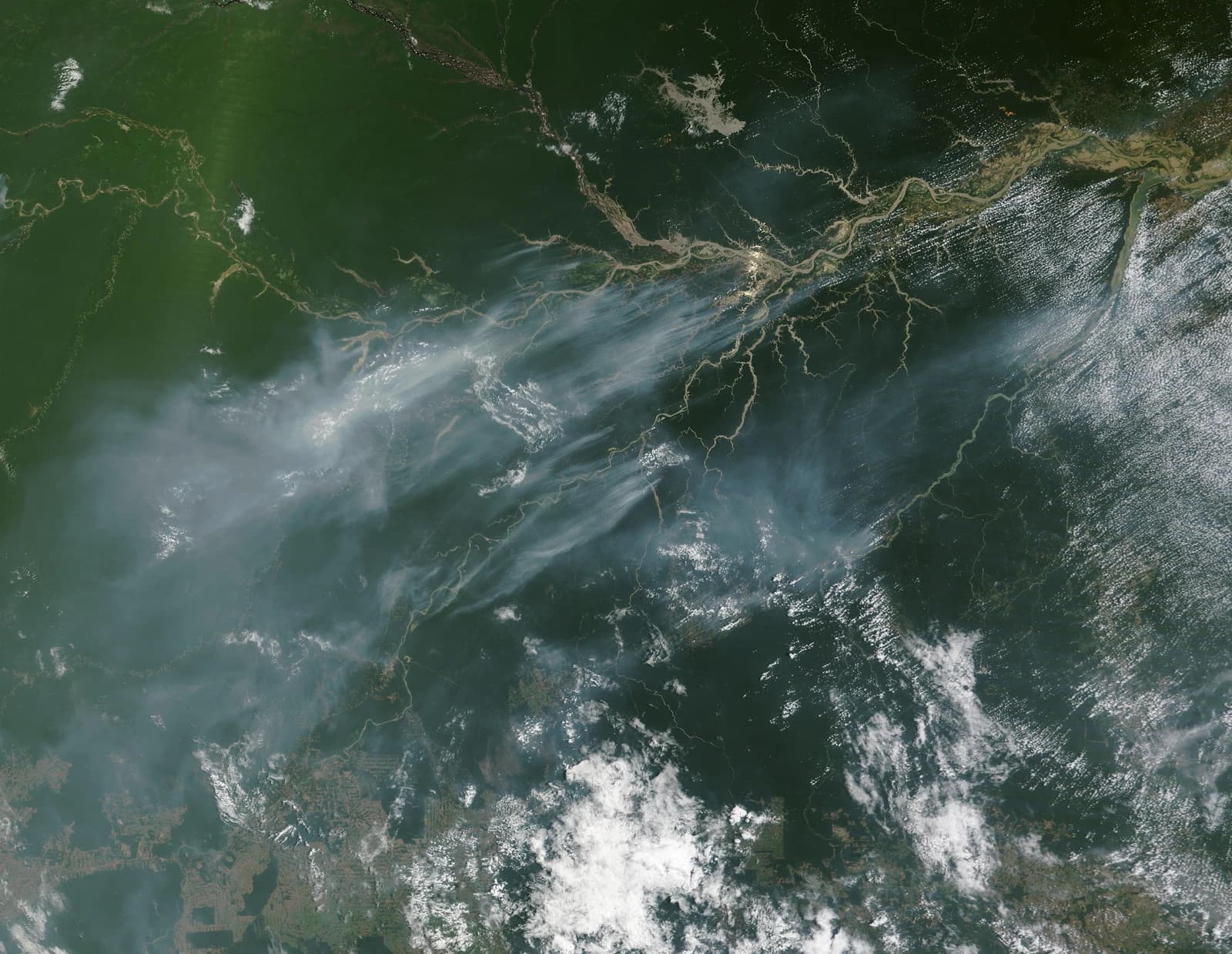
The most important development is not just the spike in fire counts, but the scale and speed of it: Brazil’s space agency INPE said fire hotspots in the first 12 days of October rose 116% in Amazonas, while Pará logged 4,397 hotspots. That matters economically because the Amazon is a carbon sink, a transport corridor and a water-regulating system for a vast part of South America; when it burns, the costs spill into health care, schooling, logistics and agriculture.
Sentiment IndicatorsⓘProprietary · adalytica.com · October 21, 2026
This is a snapshot — live sentiment, awareness and momentum for 130+ markets update continuously in the dashboard.Open AlphaPulse
In Manaus, smoke has deteriorated air quality enough to trigger precautionary guidance for residents and disruptions to daily life, including school suspensions in some areas. The haze has also interfered with aerial firefighting, limiting the use of aircraft to drop water and move equipment. For investors, that is a reminder that climate shocks are no longer a distant ESG theme: they are an operating risk that can disrupt supply chains, raise insurance and enforcement costs, and pressure companies exposed to commodities, shipping and Latin American infrastructure.
Authorities are investigating whether some of the burning is deliberate, especially in areas linked to illegal deforestation and land grabbing. That angle matters because arson-driven fire waves can intensify regulatory action, fines and political scrutiny, particularly as Brazil’s environment ministry and federal agencies try to show they can contain destruction in a biome watched closely by global investors, policymakers and lenders.
The market takeaway is straightforward: the Amazon fire crisis is a second-order macro shock with first-order implications for climate policy, Brazilian enforcement, and the broader risk premium on frontier-market assets tied to land use, agriculture and resource extraction. If the dry season deepens and smoke continues to ground firefighting, the next leg of the story will be measured not just in hectares lost, but in stronger intervention from Brasília and more pressure on companies and investors exposed to deforestation risk.
| Entity | Gains | Losses |
|---|---|---|
| Brazilian environmental agencies | ▲More enforcement leverage | ▼Higher political pressure |
| Illegal loggers/land grabbers | ▲Short-term land clearing | ▼Fines, raids, scrutiny |
| Local residents in Amazonas | ▲Emergency support | ▼Health risks, school disruption |
| Climate-focused investors | ▲Stronger policy catalyst | ▼Higher regional risk premium |