Ecuador is set to outgrow most of Latin America next year, but the real investment story is that the upgrade still comes with a major climate and energy risk that could reshape winners and losers across the economy.
Ecuador 2026 Growth Outlook and El Niño Risk
The World Bank now projects Ecuador’s economy will expand 2.8% in 2026, above its 2.2% forecast for Latin America and the Caribbean as a whole and ahead of Colombia, Brazil, Mexico and Chile. That matters because it suggests Ecuador retains relative growth momentum even as the region remains stuck in a low-growth regime constrained by tight fiscal space, weak private demand, expensive financing and global uncertainty.
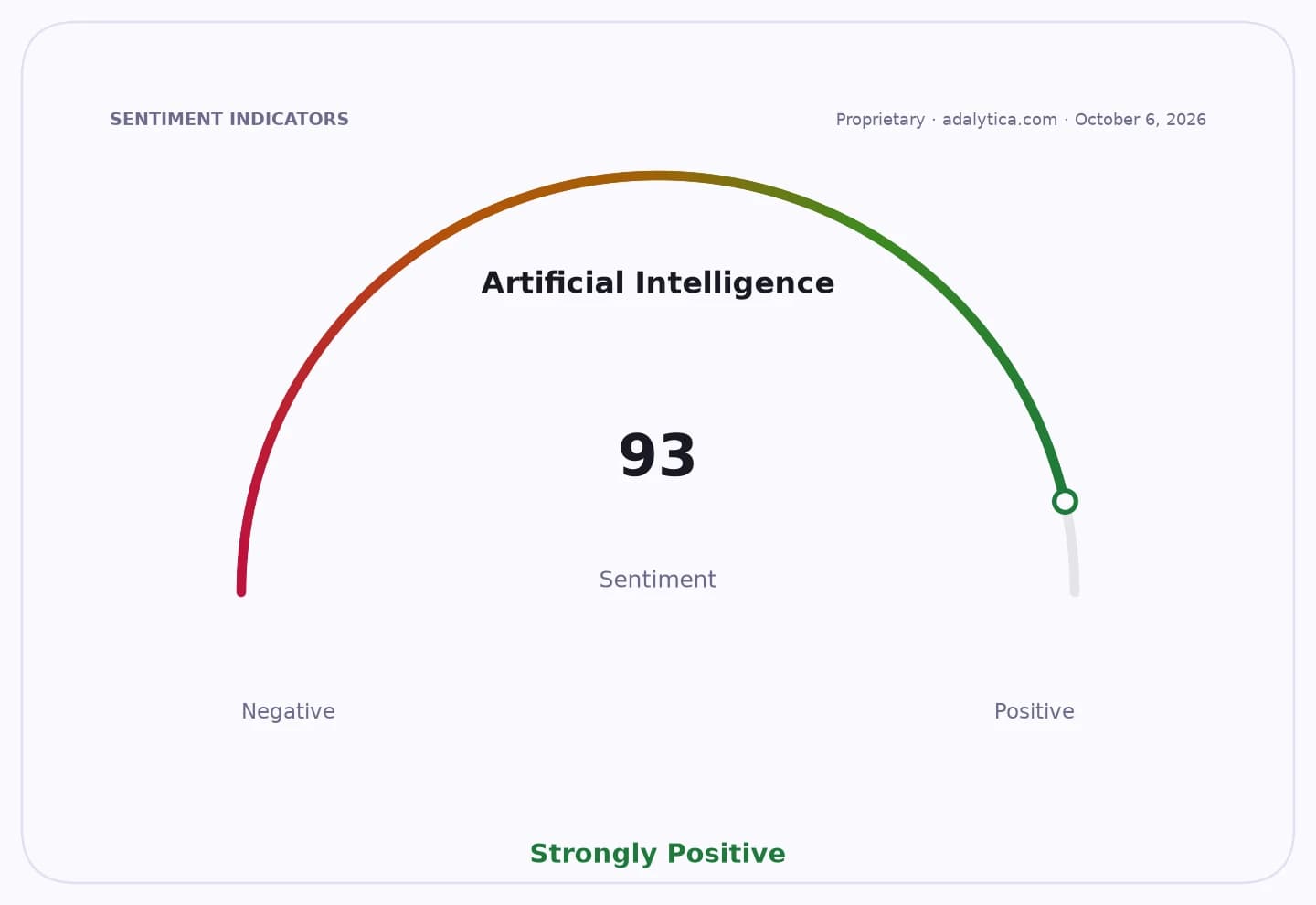
Sentiment IndicatorsⓘProprietary · adalytica.com · October 8, 2026
This is a snapshot — live sentiment, awareness and momentum for 130+ markets update continuously in the dashboard.Open AlphaPulse
For investors, the number is less important than the path. The World Bank sees Ecuador slowing from 3.7% growth in 2025 to 2.8% in 2026, with expansion easing further to 2% in 2027 before recovering to 3% in 2028. In other words, the economy is not entering a boom cycle — it is moving into a more fragile phase in which growth remains positive but increasingly exposed to shocks.
That is where the investment narrative becomes more interesting. The World Bank singled out El Niño as one of the biggest threats to Ecuador’s outlook, warning that droughts and floods could hit output, lift prices and worsen external balances. For a country that depends heavily on hydropower, the risk is especially acute: weak rainfall can cut electricity generation and force a shift to more expensive thermal power, raising costs for businesses and households while pressuring the trade balance through fuel imports.
That setup creates a clear market distinction. Ecuador’s headline growth story is constructive, but the more actionable thesis is on resilience — power supply, fuel logistics, infrastructure and any company positioned to benefit from backup generation or spending tied to energy security. In a region where growth is modest and capital is scarce, the firms that can keep operating through weather-driven stress tend to earn a premium.
The market is already signaling that investors care about the broader Latin American growth backdrop. The iShares MSCI Mexico ETF has lagged the stronger move in Brazil and the S&P 500 remains in a sharply risk-on mood by Adalytica trade signals, suggesting global capital is still willing to chase cyclical upside where it sees a durable catalyst. But Ecuador itself remains a smaller, less liquid story — which is exactly why the mispricing opportunity can be larger when the macro picture shifts.
The World Bank’s forecast also reinforces a broader point: Latin America is not short of growth pockets, it is short of durable ones. Ecuador’s projected outperformance versus several larger peers may help support sentiment, but the next leg for the country will likely be determined less by GDP prints than by whether it can absorb climate shocks without forcing a costly energy and fiscal response.
For investors, the takeaway is straightforward: treat Ecuador’s 2026 growth forecast as a selective opportunity, not a blanket bet. The upside is real, but the best risk-adjusted plays are likely to be the assets and businesses that profit from energy reliability, infrastructure spending and climate resilience rather than from headline GDP alone.
| Entity | Gains | Losses |
|---|---|---|
| Ecuador economy | ▲Relative growth premium | ▼Vulnerability to El Niño |
| Power/fuel suppliers | ▲Backup-demand boost | ▼Hydropower-dependent utilities |
| Infrastructure and resilience plays | ▲Higher spending tailwind | ▼Weather-exposed industries |
| Consumers/importers | ▲Some growth support | ▼Higher energy and price pressure |