The Dominican Republic spent a week in Washington and New York making a simple pitch to investors: it wants to be seen not just as a trade partner, but as a more strategic platform for capital, technology and supply chains tied to AI, aviation and critical materials.
Dominican Republic Courts U.S. Investors on AI
That matters because the country is trying to position itself for longer-term growth in a world where companies are rethinking where they source, manufacture and finance. In an era of friendshoring, tighter trade politics and a hunt for resilient supply chains, the Dominican Republic is betting that its proximity to the U.S., improving connectivity and widening economic agenda can help it win more investment.
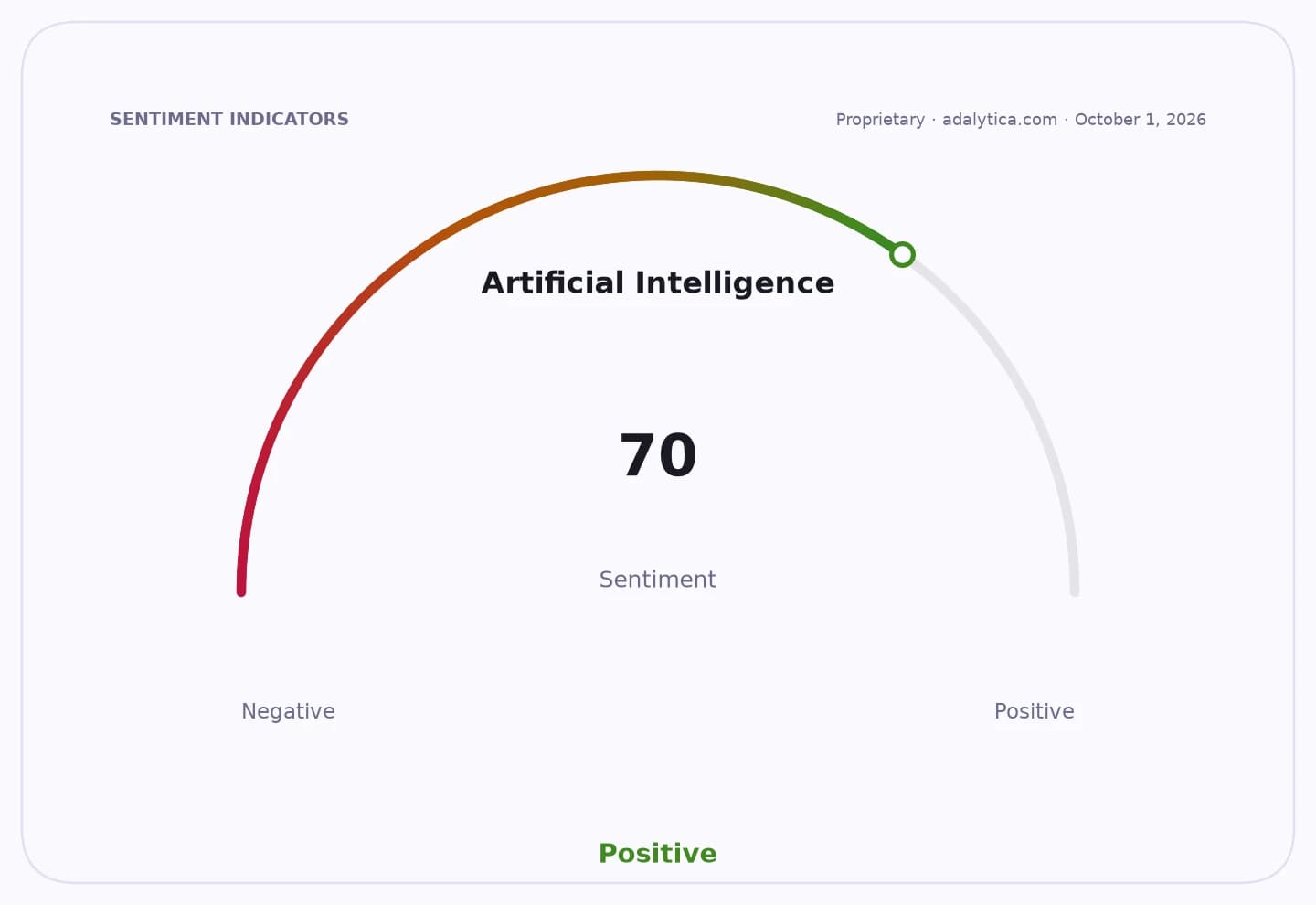
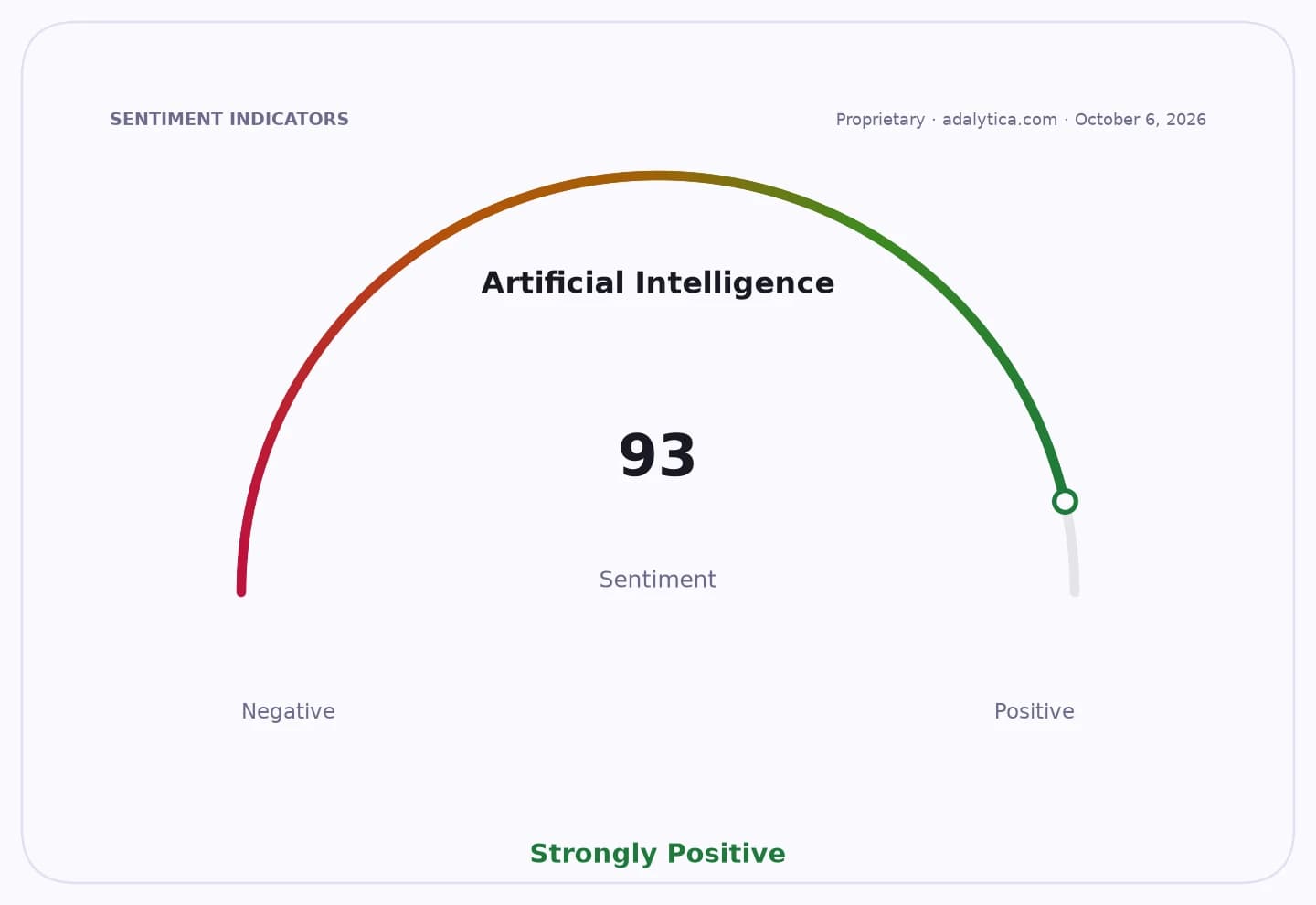
Sentiment IndicatorsⓘProprietary · adalytica.com · October 6, 2026
This is a snapshot — live sentiment, awareness and momentum for 130+ markets update continuously in the dashboard.Open AlphaPulse
The XXXIV edition of Semana Dominicana en Estados Unidos, or SEMDOM 2026, wrapped up after meetings in Washington and New York with business leaders, officials and institutions including Visa, Google, the OAS, the Inter-American Development Bank, J.P. Morgan, BlackRock and Citi. The message was consistent: the Dominican Republic wants to be viewed as a safe, reliable and competitive destination for U.S. capital, not a peripheral Caribbean economy.
For investors, that is the real story. A country that can combine nearshoring, financial stability, better air links and digital infrastructure has a stronger chance of drawing the kinds of flows that support jobs, exports and domestic demand over time. The final session, titled “Beyond Volatility: Capital Flows and Long-Term Growth in the Dominican Republic,” underscored that focus, with market strategists and money managers discussing financing options for sustained expansion.
The AI component is especially notable. Officials and business representatives discussed how artificial intelligence could lift productivity for small and medium-sized businesses, which are often the backbone of emerging markets but also the least well equipped to absorb technology upgrades. If AI helps those firms become more efficient, it can ripple through hiring, logistics and competitiveness without needing a giant wave of new factory investment.
The aviation and connectivity angle also deserves attention. Better air links are not just a tourism issue; they affect trade, business travel and the ease with which multinational firms can manage operations across borders. That makes aviation a quiet but important part of the country’s investment case.
Critical minerals and energy add another layer. As the U.S. and its allies look for more secure sources of strategic materials, countries that can credibly offer access to resources, permitting clarity and political stability are likely to attract more serious capital. The Dominican Republic is trying to place itself in that conversation early.
There are risks, of course. The competition for investment is fierce, global funding costs remain sensitive to rates, and promises made at conferences do not always turn into projects on the ground. The challenge now is execution: stronger institutions, reliable regulation, infrastructure and policy consistency.
Still, SEMDOM 2026 shows a country thinking in the right direction. Rather than relying only on tourism and traditional trade, the Dominican Republic is trying to build a broader, more resilient growth model around technology, logistics, finance and strategic materials. For long-term investors, that is the kind of shift worth watching closely.
| Entity | Gains | Losses |
|---|---|---|
| Dominican Republic | ▲More investment appeal | ▼Image as a narrow tourism-only market |
| U.S. companies and investors | ▲Nearshore platform, new opportunities | ▼Higher-conviction alternatives elsewhere |
| SMEs in the Dominican Republic | ▲AI and payment upgrades | ▼Inefficiency and lower productivity |
| Competing regional hubs | ▲Less capital attention | ▼Market share in trade and investment |