Sri Lanka is trying to turn a branding exercise into an economic strategy, and the launch of Sri Lanka AI Week 2026 is the clearest sign yet that Colombo wants a place in Asia’s fast-growing artificial intelligence economy.
Sri Lanka AI Week 2026 in Colombo
That matters because AI is no longer just a software story. It is becoming a platform shift that can pull in investment, training, cloud adoption, consulting work and startup formation — the kind of ecosystem development that can lift productivity over years, not quarters. For a smaller economy like Sri Lanka’s, the prize is not building the next Nvidia, but positioning itself as a useful hub where global firms, local developers and policymakers meet.
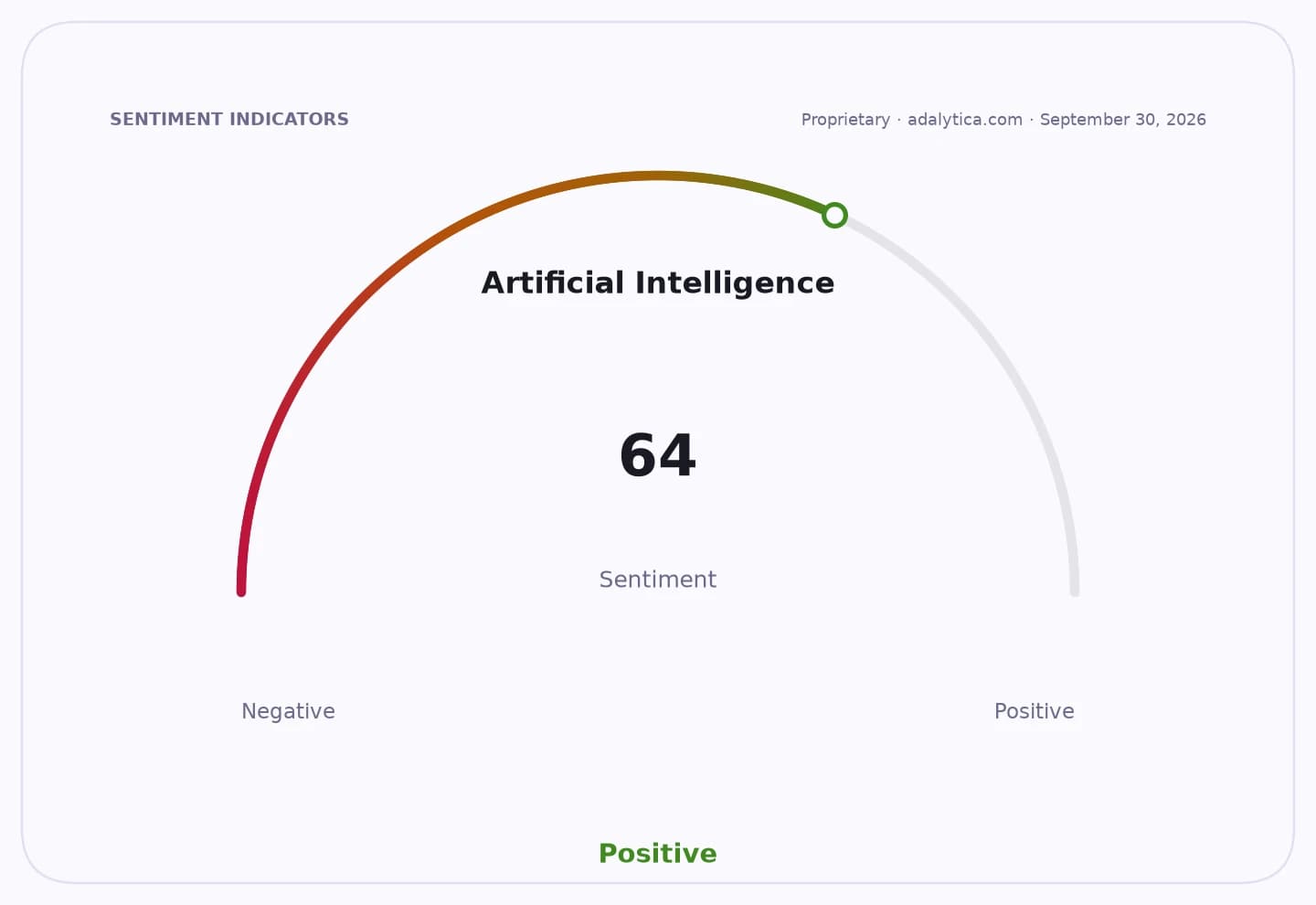
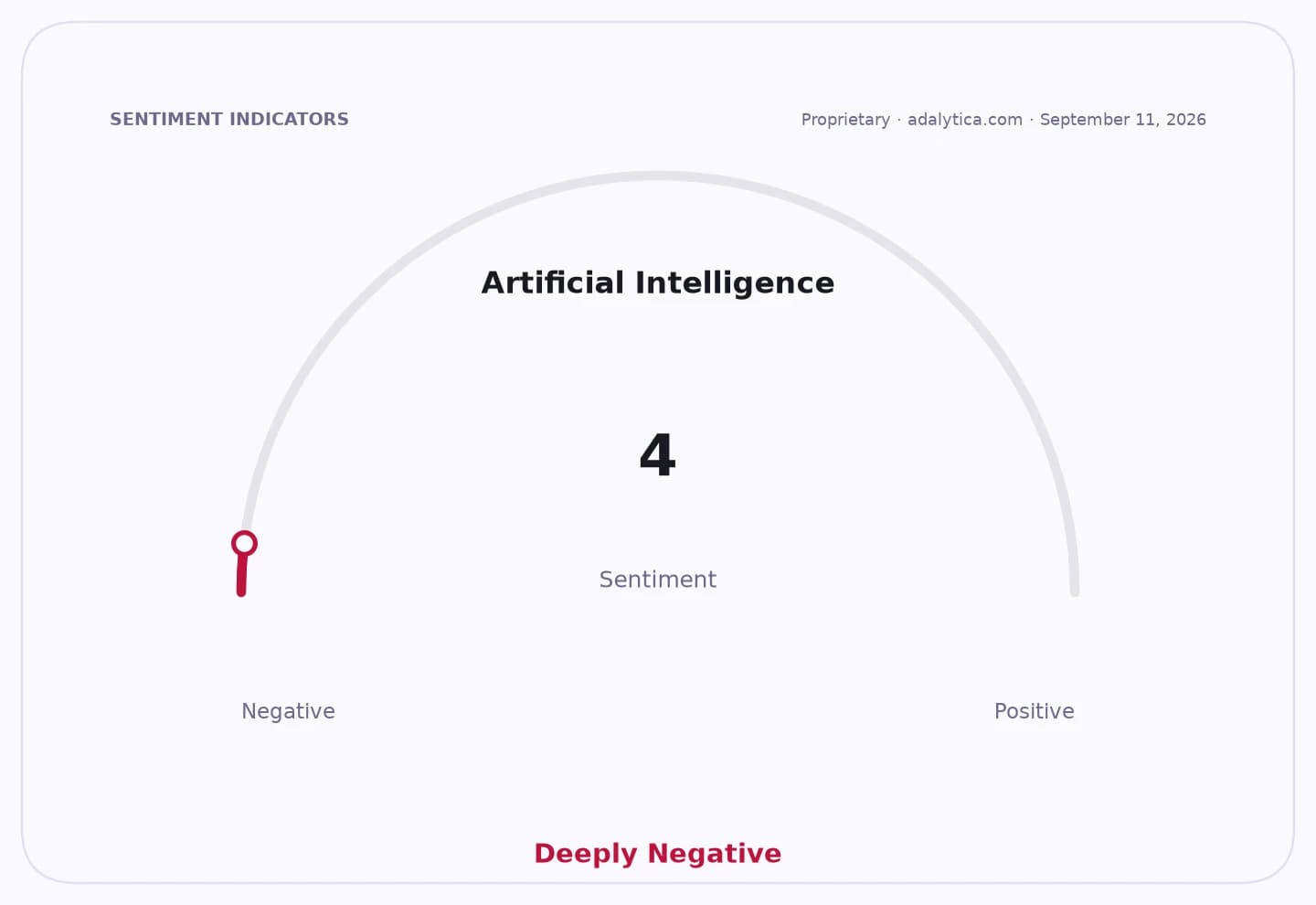
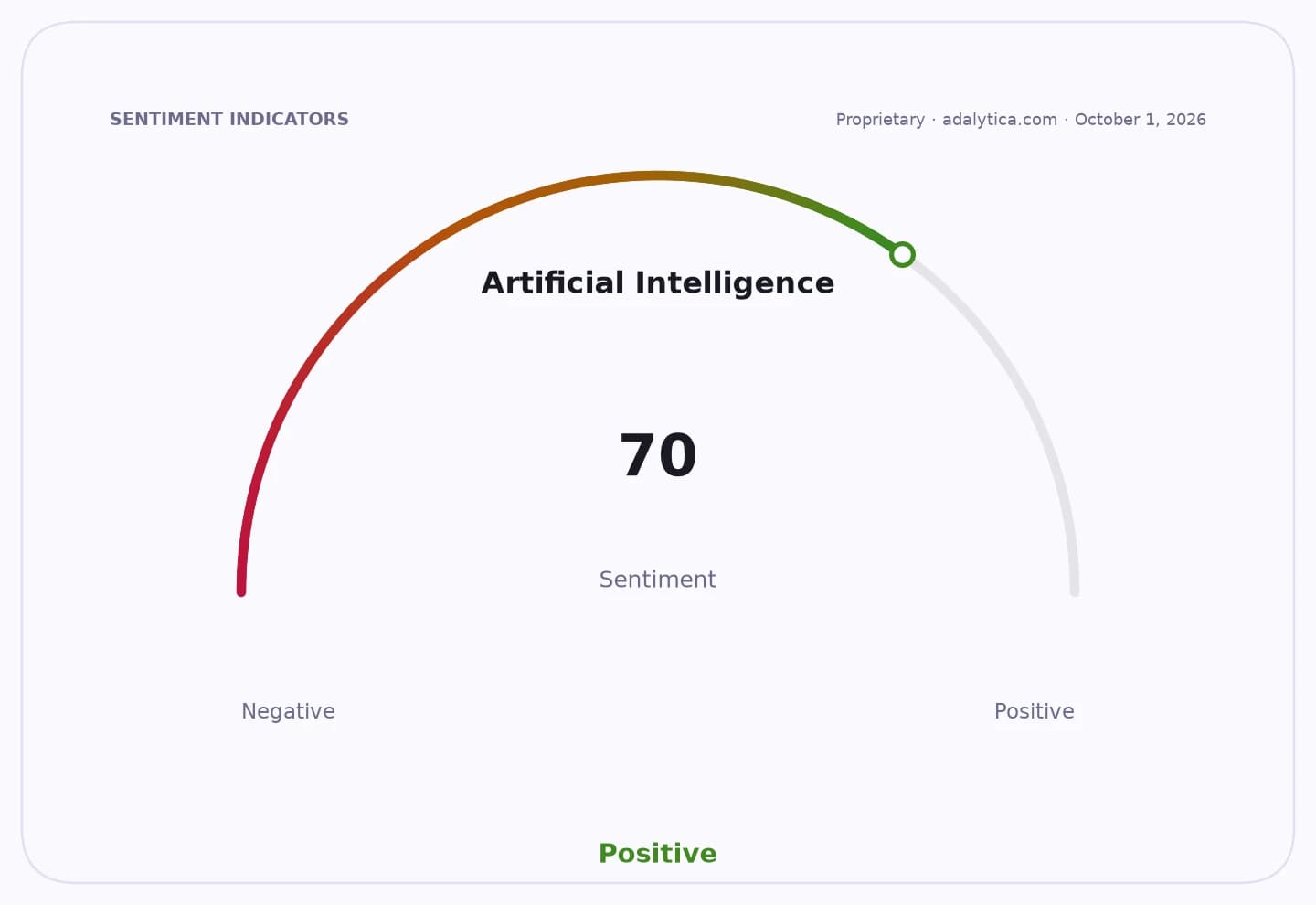
Sentiment IndicatorsⓘProprietary · adalytica.com · October 1, 2026
This is a snapshot — live sentiment, awareness and momentum for 130+ markets update continuously in the dashboard.Open AlphaPulse
Sri Lanka AI Week runs from Sept. 25 to Sept. 30 and is jointly organized by the Ministry of Digital Economy and SLT-MOBITEL. Organizers say the program is built to accelerate AI awareness, innovation, digital skills development and industry collaboration, with participation from experts linked to Alibaba, ZTE, Deloitte, Google and Huawei. Dr. Mothilal de Silva, chairman of SLT Group, said the event has drawn international experts from about 15 countries.
The economic logic is straightforward. Countries that build talent pipelines and regulatory credibility around AI are better placed to capture higher-value work in cloud services, data analytics, automation and enterprise software. That can matter for Sri Lanka, where growth has been constrained by debt stress, limited foreign investment and the need for new export engines. A credible digital push does not solve those problems overnight, but it can help widen the country’s long-term growth base.
Investors should care because AI infrastructure and adoption are becoming a global capex theme, and emerging markets are competing to host that spending. Events like this can help local telecoms, systems integrators, IT services firms and startups build relationships that turn into contracts, pilots and partnerships. The National AI Expo on Sept. 29 and 30 is designed to showcase those commercial use cases, while the free National AI Conference suggests the government and organizers want broad participation, not just a closed-door industry forum.
The timing also fits a broader global race. As companies from the U.S. to China push faster and cheaper AI models and infrastructure, countries that can offer a stable policy environment, technical talent and regional connectivity stand to benefit. Sri Lanka is still early in that journey, but the presence of global names gives the initiative more weight than a typical conference circuit stop.
The bigger question is execution. Building an AI hub requires more than speeches and exhibitions; it needs reliable digital infrastructure, data governance, university-to-industry links and investment that lasts beyond one week. But for investors looking for long-term themes, Sri Lanka’s push is worth watching because it points to a country trying to move up the value chain in a technology that could reshape productivity across Asia.
For now, Sri Lanka AI Week 2026 looks less like a finish line than a signal of intent — and in emerging-market investing, those early signals can matter if they are followed by policy, capital and patience.
| Entity | Gains | Losses |
|---|---|---|
| Sri Lanka / Colombo | ▲Global tech visibility | ▼Isolation from AI investment flows |
| Local IT firms & startups | ▲Partnerships and contracts | ▼Status quo low-value growth |
| Global tech companies | ▲New market access | ▼Missed regional expansion |
| Investors in digital infrastructure | ▲Long-term growth opportunity | ▼Short-term skepticism |