The Dominican Republic is leaning harder on its stock market to help finance growth, as Vice President Raquel Peña used the opening of the IV Expo Mercado de Valores 2026 to frame capital markets as a key ally in the government’s push to expand investment and development.
Dominican Republic boosts capital markets for growth
That matters because economies do not double their real output by relying on banks and public spending alone. They need deeper capital markets that can turn household savings, private placements and investment funds into long-term financing for companies, projects and jobs. Peña said the market is helping “mobilize capital” and “transform confidence into future,” language that reflects a broader policy goal: channel more local savings into productive investment instead of leaving growth dependent on debt or foreign capital.
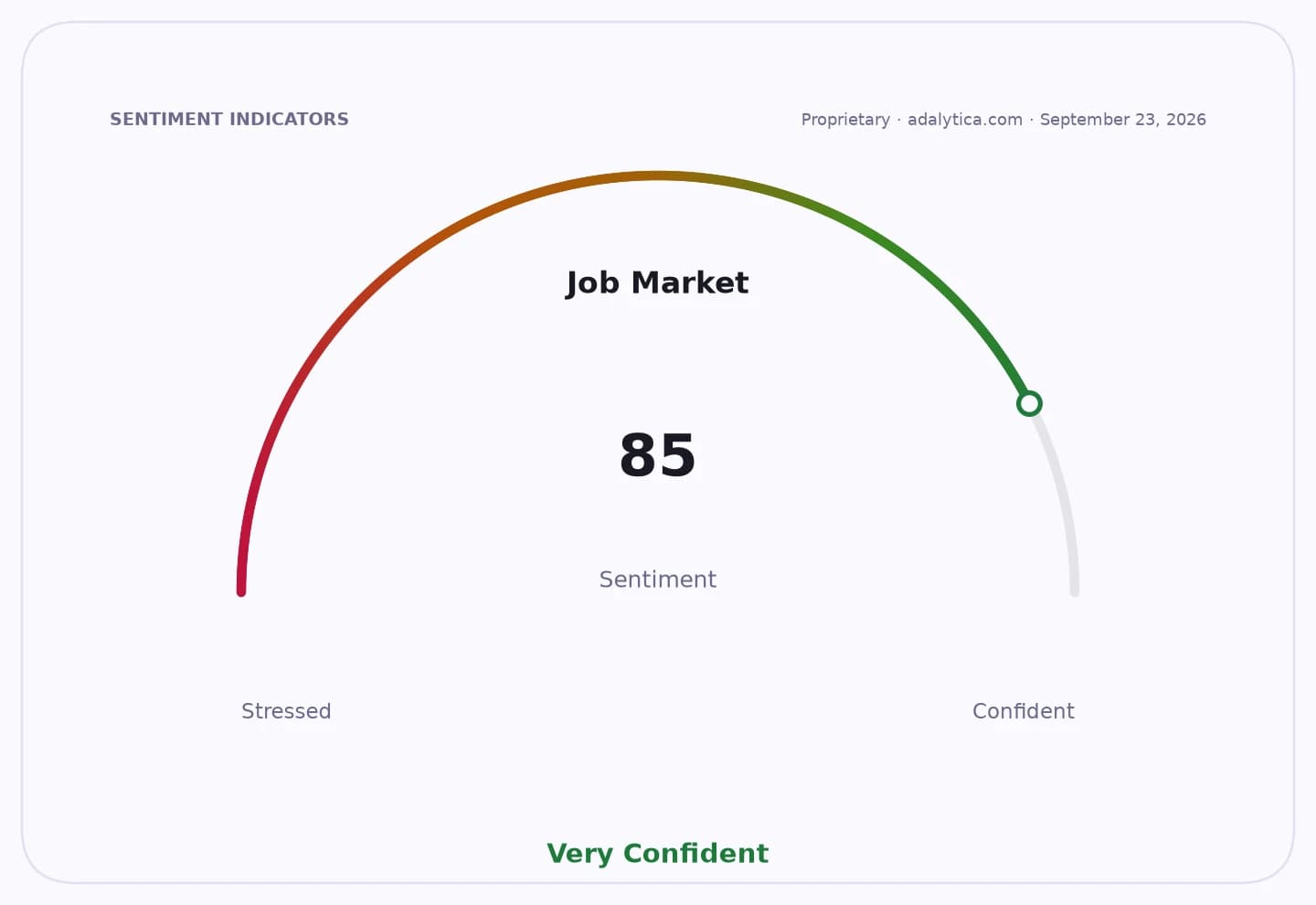
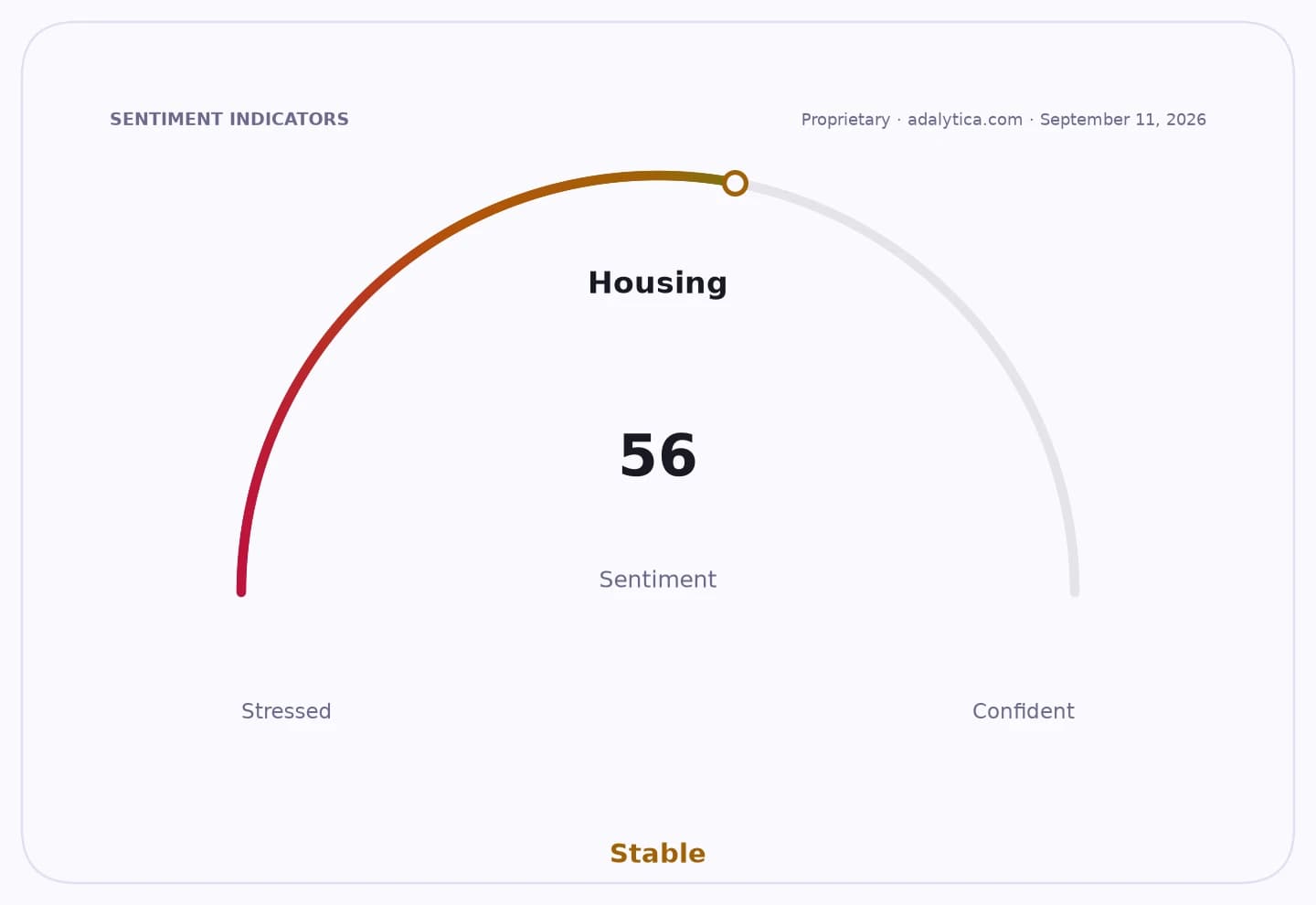
Sentiment IndicatorsⓘProprietary · adalytica.com · September 5, 2026
This is a snapshot — live sentiment, awareness and momentum for 130+ markets update continuously in the dashboard.Open AlphaPulse
The numbers help explain why officials are so focused on the sector. Superintendencia del Mercado de Valores chief Ernesto Bournigal said private issuances, investment funds and public offering trusts surpassed RD$595 billion by July 2026. He added that investment funds alone have financed about 280 projects tied to more than 57,500 direct jobs and nearly 4,800 indirect ones. For a country pursuing Meta RD 2036 — the government’s plan to double real GDP by that year, create 1.7 million jobs, eliminate extreme poverty and reach investment grade — those are not abstract figures. They point to a market that is already doing some of the heavy lifting.
For investors, the story is bigger than one trade fair. A deeper, more trusted capital market usually means more financing options for businesses, better portfolio choices for savers and less pressure on the state to be the sole engine of development. It can also support the country’s credibility with ratings agencies and international investors if the market keeps growing inside a stronger institutional framework, as Peña argued.
There are still obvious challenges. A developing stock market does not mature overnight, and the key test is whether more households and companies actually use these instruments at scale. But the direction is clear: the Dominican Republic wants the market to become a structural pillar of growth, not just a niche for professionals. If Meta RD 2036 is to work, this is the kind of financial deepening it will need. For long-term investors, that makes the market worth watching closely.
| Entity | Gains | Losses |
|---|---|---|
| Dominican government | ▲More financing channels | ▼Reliance on public debt |
| Local investors | ▲Broader investment access | ▼Cash left idle |
| Companies and projects | ▲Long-term capital | ▼Bank-only funding |
| Traditional lenders | ▲Shared financing burden | ▼Some lending dominance |