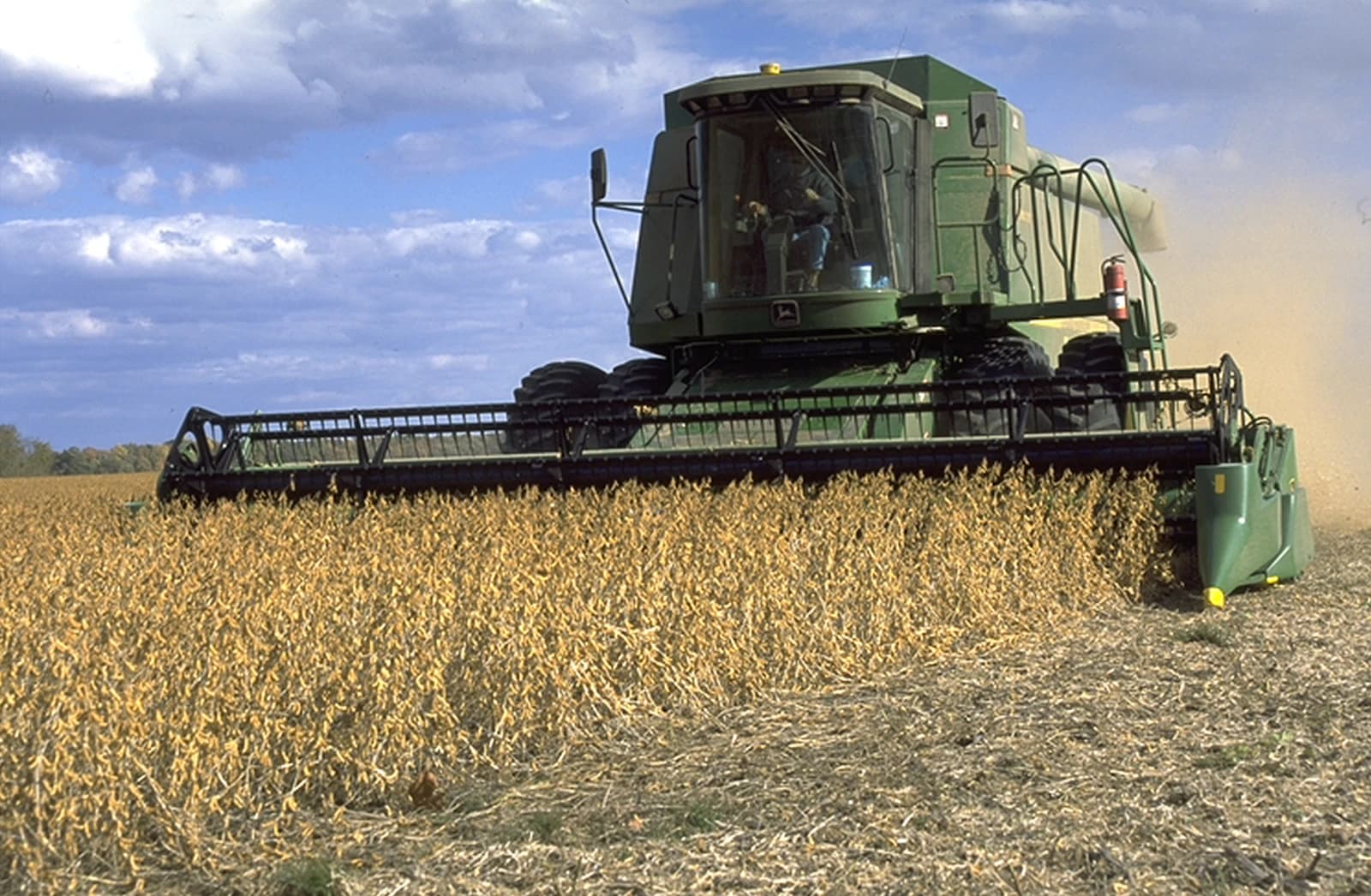
A R$35 million agribusiness receivables certificate structured by GCB for Grupo Munaretto highlights how Brazil’s private credit market is being used to refinance farm debt while keeping capital flowing to the harvest.
Grupo Munaretto CRA refinances farm debt in Brazil
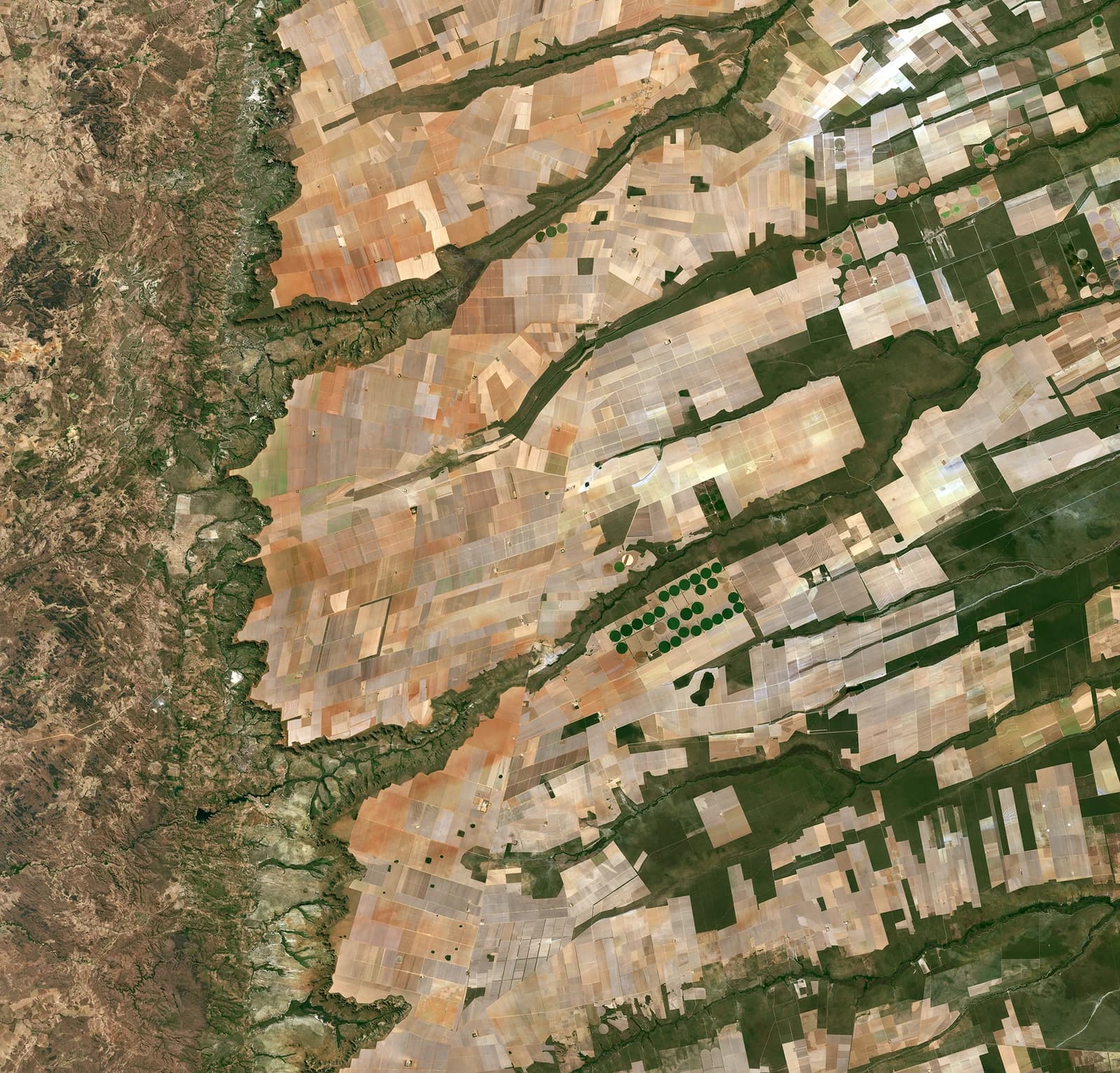
The deal matters because it does more than fund a single producer in Tocantins. It shows how lenders are increasingly tailoring credit around agricultural cash flows, land collateral and crop monitoring at a time when farmers face tight funding conditions, high domestic rates and uneven commodity margins. For investors, the structure offers higher spread income, but also a reminder that rural credit performance depends heavily on weather, yields and the quality of the underlying guarantees.
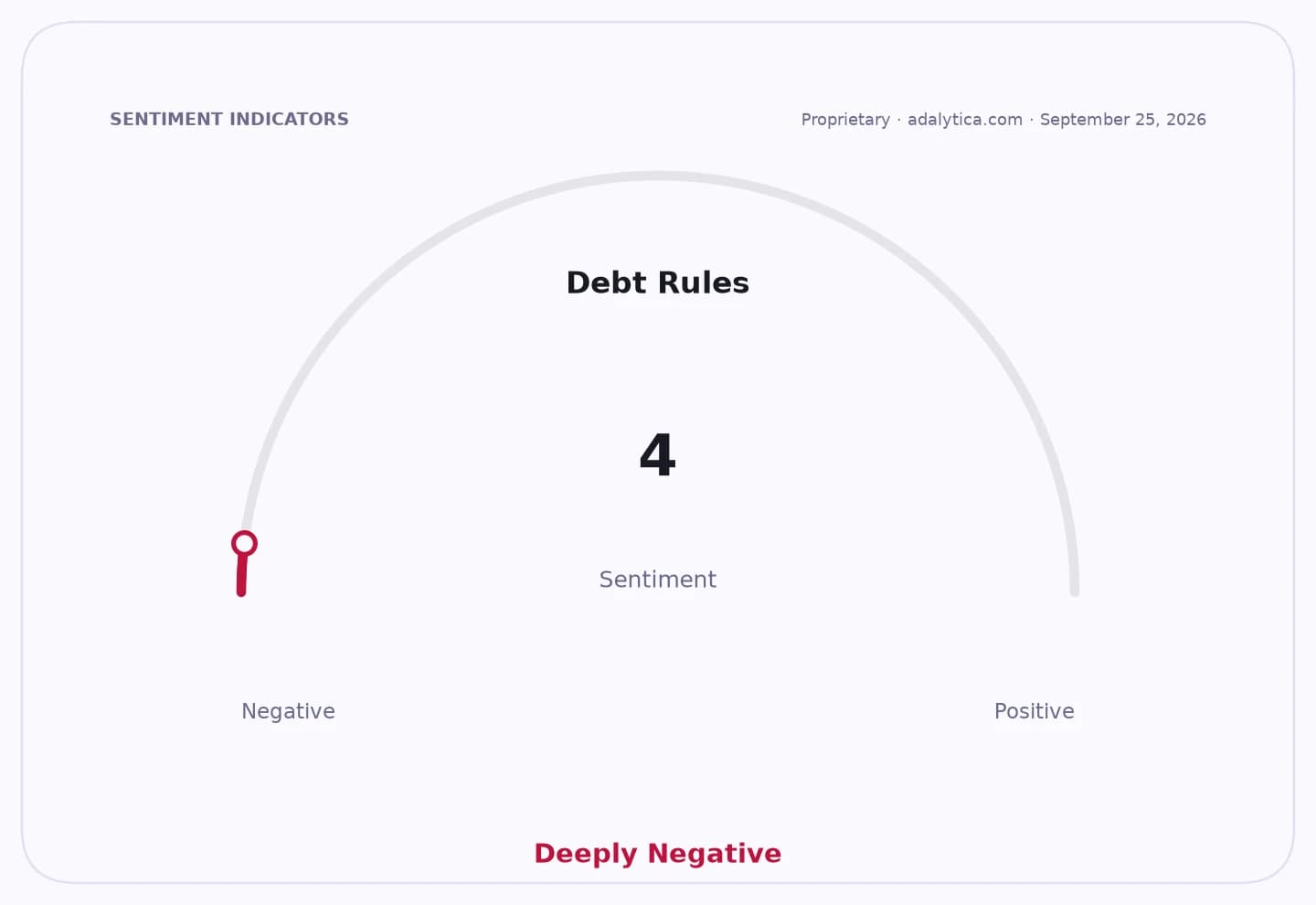
Sentiment IndicatorsⓘProprietary · adalytica.com · September 25, 2026
This is a snapshot — live sentiment, awareness and momentum for 130+ markets update continuously in the dashboard.Open AlphaPulse
GCB said the CRA will be used first to retire debt, with up to R$30 million released in the initial tranche to pay liabilities and free up two rural property titles that will back the transaction. A second tranche of up to R$5 million will then support working capital. The certificate is tied not only to real estate collateral but also to soybean and corn sales contracts, with monitoring of planting areas, soil conditions, weather and water stress, plus satellite-based yield estimates.
That combination reflects the logic of Brazil’s structured agribusiness funding model: lenders want hard collateral and visibility into output, while producers want to avoid the operational squeeze that can follow from short-term debt and seasonality. The stated pricing also shows the market’s funding cost. The CRA was set for pre-reservation at CDI plus 5.5% a year, then at CDI plus 5% at launch, and later at CDI plus 4% after issuance, indicating how demand and placement timing can affect investor returns.
For Grupo Munaretto, the transaction is a refinancing tool as much as a growth instrument. The family-owned producer has about 12,000 hectares planted to soybeans and corn in Tocantins and said it generated R$73.8 million in revenue and R$38 million in EBITDA in the 2025/26 crop year. Those figures suggest a business with meaningful operating cash generation, but one still reliant on access to structured finance to smooth debt and fund the next cycle.
The broader backdrop is supportive. Brazil’s agricultural sector expanded 2.8% in the second quarter from the previous three months, outpacing the economy’s 0.5% growth, and soybean production was estimated to rise 5.3%. That kind of crop-led momentum helps credit quality in the farm sector, but it does not eliminate financing pressure, especially when producers must pre-finance inputs, manage volatile freight and commodity prices, and absorb climate risk.
Investors in Brazil’s CRA market will likely view the deal as a sign that demand remains available for well-collateralized rural paper backed by operating farms with identifiable cash flow. The bull case is straightforward: strong crop economics, asset backing and borrower cash generation can support attractive spreads. The bear case is that a refinancing structure can mask underlying leverage if yields disappoint or commodity prices soften, leaving recovery value dependent on land and crop performance.
In the near term, the key test is whether the transaction closes smoothly and whether the farming season in Tocantins supports the production assumptions embedded in the structure. If it does, the deal could reinforce the appeal of agribusiness securitizations as a funding channel for Brazil’s grain producers. If not, it would underscore how quickly weather, prices and credit conditions can turn a seemingly conservative rural asset into a stress point.
| Entity | Gains | Losses |
|---|---|---|
| GCB | ▲Fee income and market share | ▼Higher credit-event exposure |
| Grupo Munaretto | ▲Debt relief and working capital | ▼Less balance-sheet flexibility |
| CRA investors | ▲CDI-linked spread income | ▼Weather and crop risk |
| Competing lenders | ▲Less refinancing business | ▼Lost origination opportunity |