Indonesia’s new oil and gas bill is more than a housekeeping exercise — it is a clear signal that Jakarta wants tighter control over energy flows, and that matters for regional pricing, supply security and the valuation of domestic producers with exposure to the next wave of upstream investment.
Indonesia gas bill and Singapore gas cut
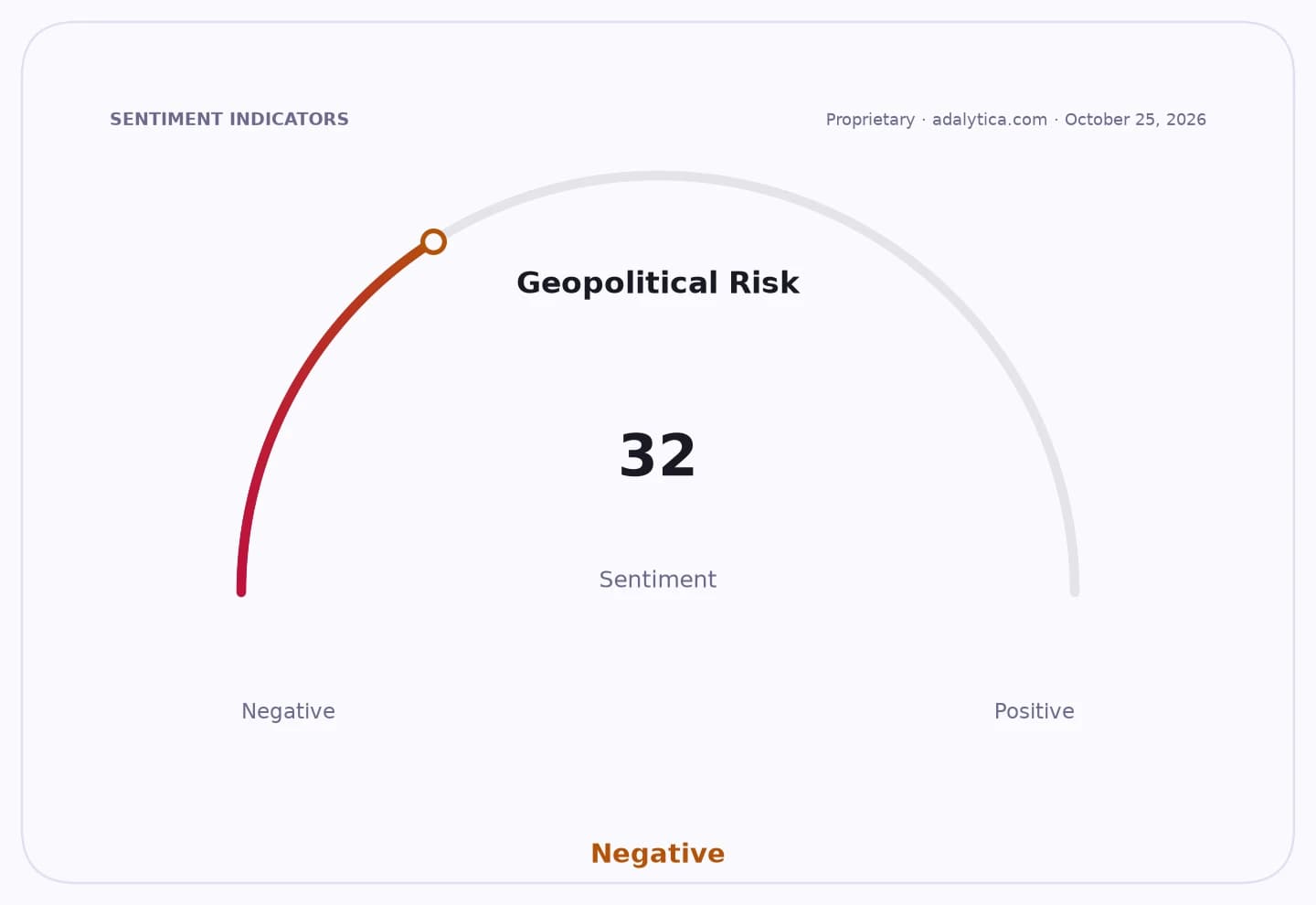
The bill lands as Indonesia pares natural gas exports to Singapore, a move that underscores the government’s willingness to prioritize national energy needs over old export arrangements when political or diplomatic friction rises. Singapore’s Energy Market Authority said the reduction amounts to less than 2% of its daily gas demand, so the immediate market hit is limited. But the strategic message is bigger: Indonesia is using energy policy as an instrument of sovereignty, not just commerce.
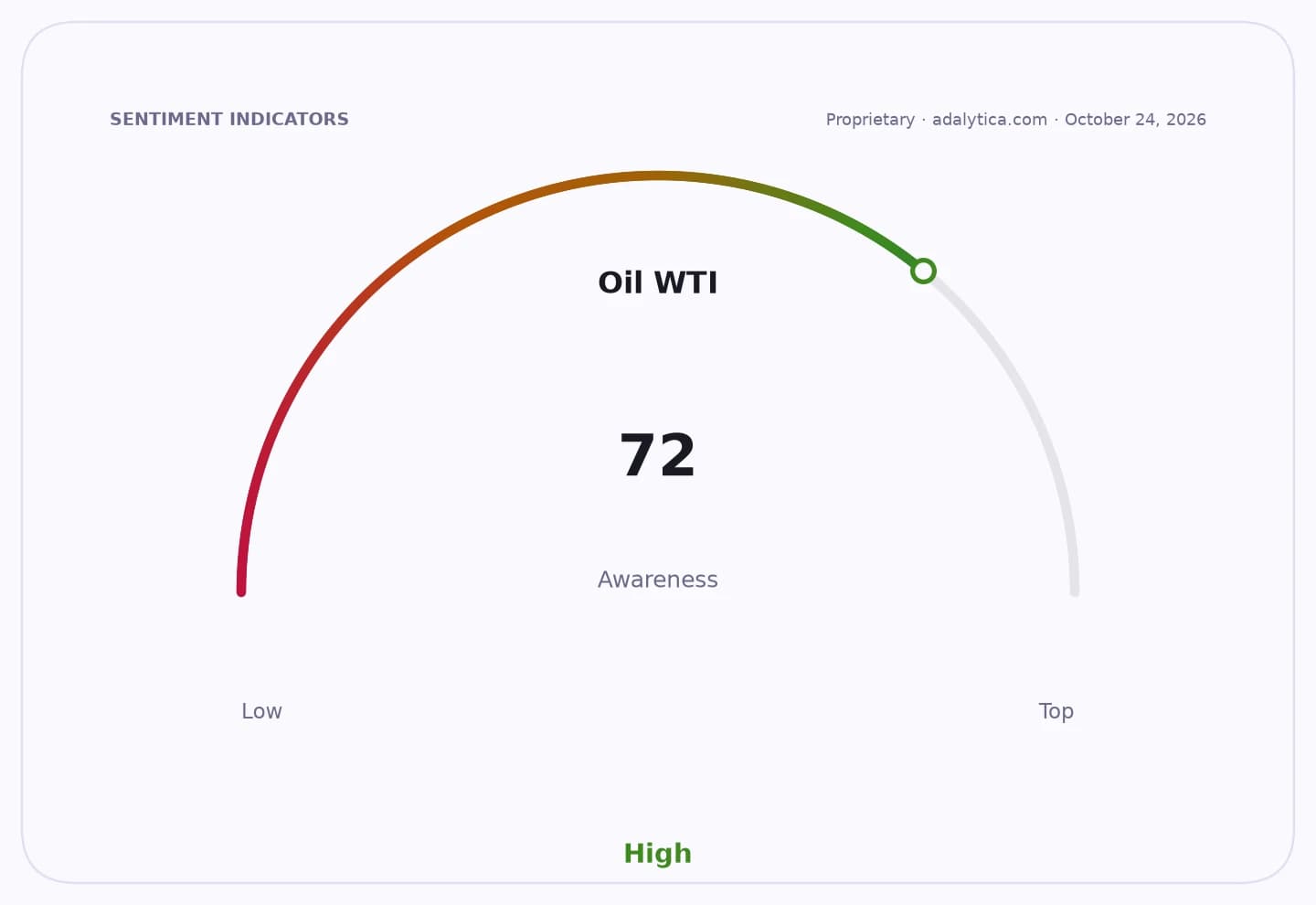
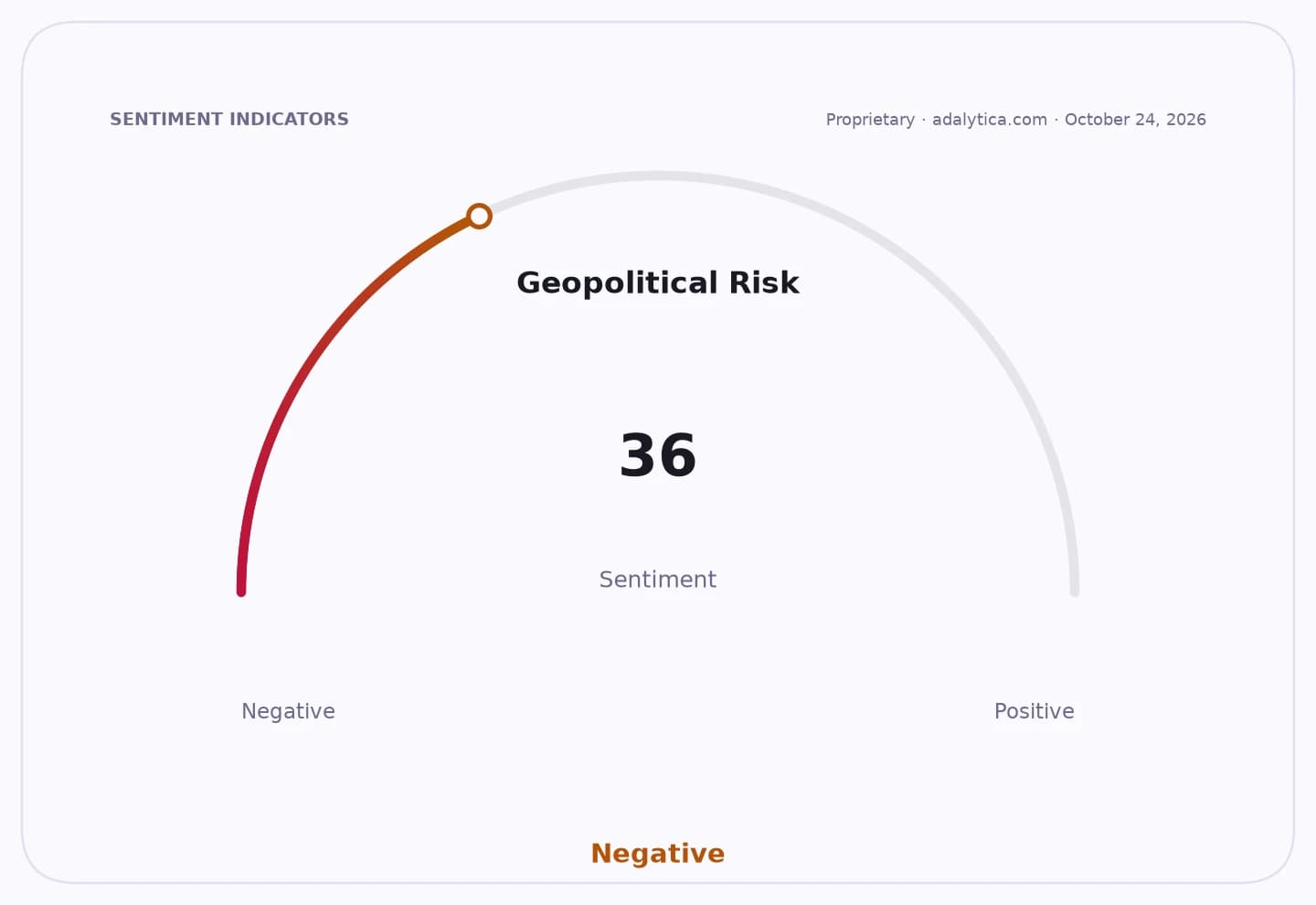
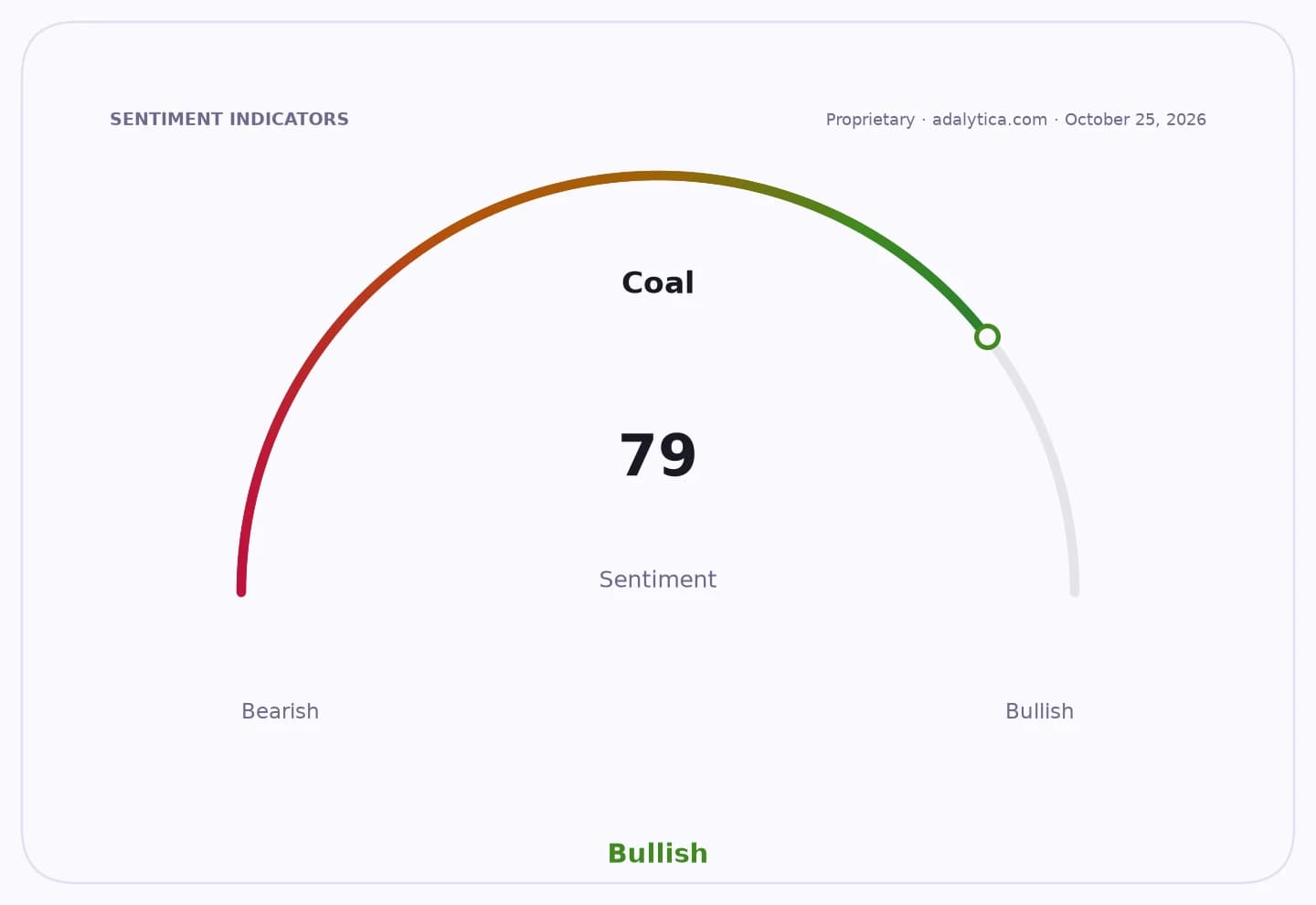
Sentiment IndicatorsⓘProprietary · adalytica.com · October 25, 2026
This is a snapshot — live sentiment, awareness and momentum for 130+ markets update continuously in the dashboard.Open AlphaPulse
That matters economically because Southeast Asia is already short of easy energy supply options. When a major producer starts directing more gas to domestic users, it can tighten balances, support prices and force buyers to diversify faster into LNG, storage and alternative power sources. It also highlights a broader policy shift in Indonesia toward domestic resilience, just as the country faces fuel pressure at home, including reported shortages and long queues in Bali. In other words, Jakarta is not only willing to redirect supply outward — it is also under pressure to secure more energy for its own economy.
For investors, the important takeaway is that this is not a one-off trade dispute. It is a reminder that Indonesian upstream assets are becoming more strategically important, while regional buyers face more policy risk around contracted supply. Companies tied to Indonesia’s gas and oil production can benefit if the new bill improves governance, accelerates permitting and channels capital into development. SKK Migas’ push for governance improvements is therefore not a bureaucratic footnote; it is the kind of reform that can determine whether Indonesia turns resource nationalism into a production tailwind or a chronic investment drag.
The market is already showing how sensitive this theme is. Indonesia Energy Corporation, or INDO, has been highly volatile, with shares recently rebounding after a sharp pullback. That kind of action reflects the optionality embedded in Indonesia’s energy story: if policy reforms improve execution and unlock production growth, smaller producers can rerate quickly. On the other side, Singapore utilities and industrial users that depend on imported gas may have to carry more contingency cost, even if the current cut is modest.
The bigger investment setup is unchanged but sharper now. Indonesia is trying to do two things at once — strengthen governance and assert control over strategic resources. If it succeeds, the winners are domestic producers, service providers and infrastructure developers tied to upstream expansion. If it fails, the country risks reinforcing the very supply constraints it is trying to solve. For investors, that makes Indonesia one of the most interesting high-beta energy plays in Asia right now, with policy reform and supply redirection as the next catalysts to watch.
| Entity | Gains | Losses |
|---|---|---|
| Indonesian upstream producers | ▲More policy support | ▼Export flexibility |
| SKK Migas / reformers | ▲Stronger governance mandate | ▼Slow execution risks |
| Singapore gas buyers | ▲Contingency planning advantage | ▼Slightly tighter supply access |
| Domestic Indonesian industry | ▲Better supply priority | ▼Higher competition for fuel |