Indonesia’s opening of the Cilamaya LPG refinery is a useful, if modest, step toward insulating the country from global energy shocks that keep exposing how dependent it remains on imported fuel.
Indonesia Opens Cilamaya LPG Refinery in West Java
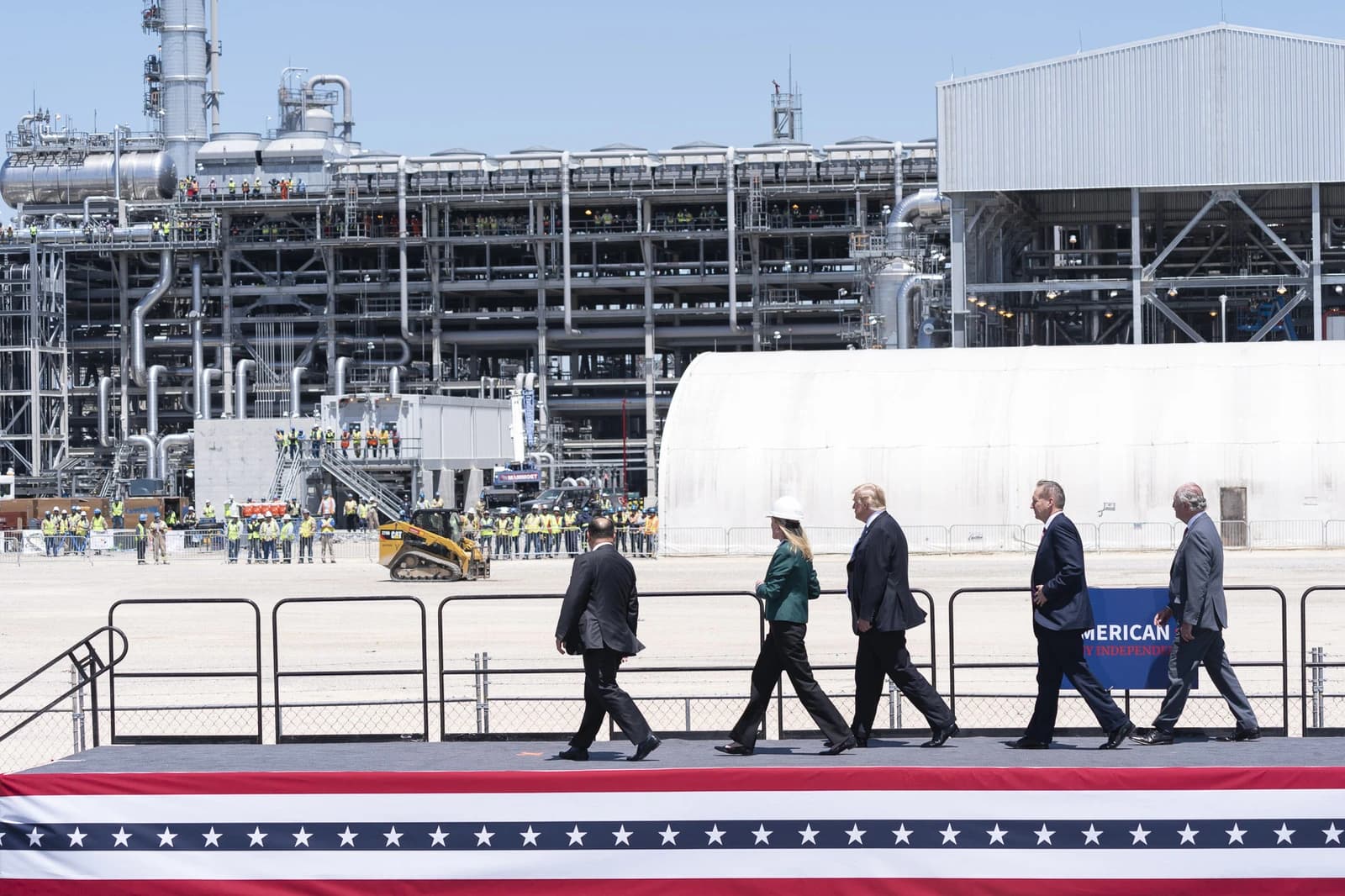
Energy Minister Bahlil Lahadalia inaugurated the plant in Karawang, West Java, on Thursday, giving the country a new source of domestic LPG production at a moment when geopolitical tensions are still rattling global supply lines and lifting energy costs. The facility, built by PT Energi Nusantara Perkasa in collaboration with Pertamina and fed by gas from the Offshore North West Java field, can produce 160 tons of LPG a day, or about 52,800 tons a year.
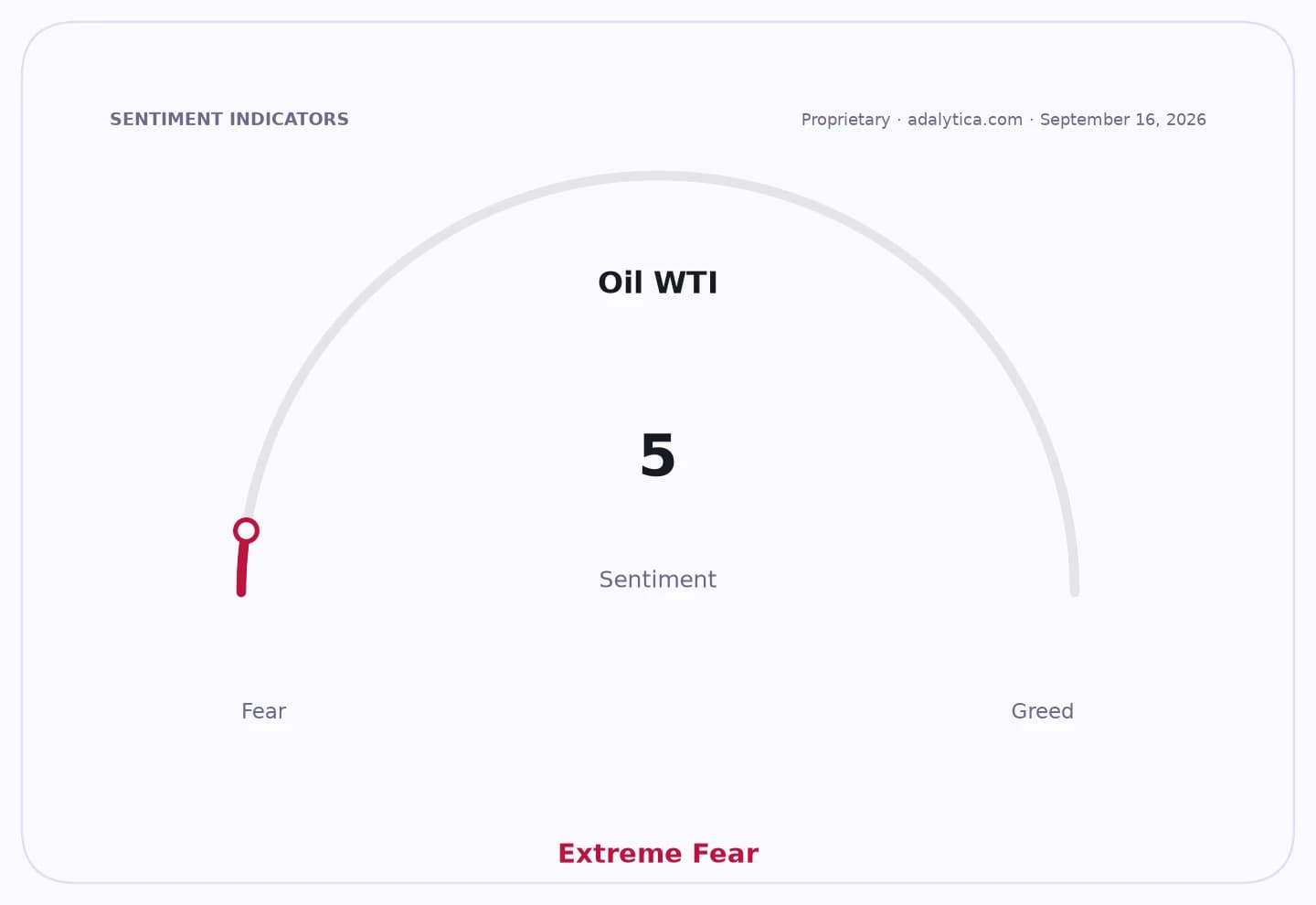
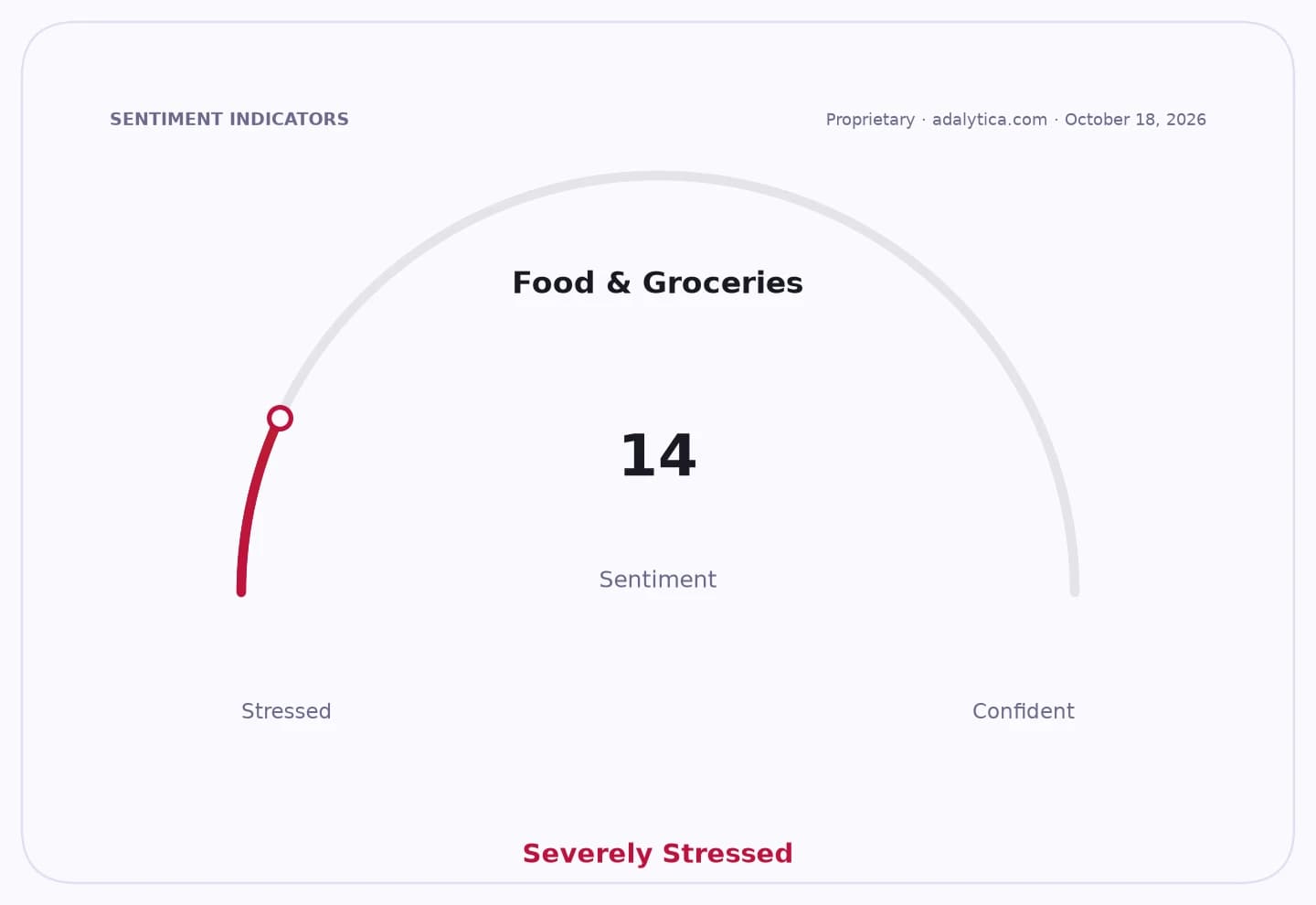
Sentiment IndicatorsⓘProprietary · adalytica.com · October 19, 2026
This is a snapshot — live sentiment, awareness and momentum for 130+ markets update continuously in the dashboard.Open AlphaPulse
That output sounds large in isolation, but it is small against Indonesia’s appetite. National LPG consumption is about 8.5 million tons a year, and total demand from households and industry can rise to 11 million to 12 million tons. Domestic production is still only around 1.8 million tons annually, so imports remain the backbone of supply. Cilamaya is not a structural fix. It is a pressure valve.
For investors, that distinction matters. Energy security projects do not need to eliminate imports to be economically meaningful. They need to shave exposure, stabilize regional supply and reduce the risk that geopolitical disruption turns into a domestic inflation problem. Each ton of LPG produced at home is one less ton that has to be bought on the volatile international market, and that helps the government manage subsidies and keep household energy affordable.
The plant’s location also matters. Bahlil said the facility could cover roughly 10% to 15% of LPG demand in West Java and Jakarta, two of the country’s most important consumption centers. That makes it more than a symbolic asset: it strengthens the supply chain in the most populous part of the archipelago, where logistics bottlenecks can quickly become political ones.
The broader picture is one of cautious de-risking. Global energy markets are still vulnerable to conflict, refinery outages and shipping disruptions, and Indonesia is trying to reduce its exposure through downstream investment rather than wishful thinking. The government has also been working to keep national fuel stocks at 16 to 18 days, reinforcing Pertamina’s distribution network and preparing compressed natural gas supply as back-up.
There is still a long road ahead. Indonesia’s import dependence will not disappear with one refinery, and the country’s energy bill will continue to swing with global prices. But for long-term investors, projects like Cilamaya show a clear policy direction: more domestic processing, more resilience and a gradual shift toward a less fragile energy system. That is worth watching.
| Entity | Gains | Losses |
|---|---|---|
| Indonesian households | ▲Slightly steadier LPG supply | ▼Less insulation from import swings |
| Pertamina and ENP | ▲New domestic production asset | ▼Exposure if project underperforms |
| West Java and Jakarta consumers | ▲Better regional availability | ▼Still reliant on broader import system |
| LPG importers | ▲Less immediate market pressure | ▼Smaller role in supply chain |