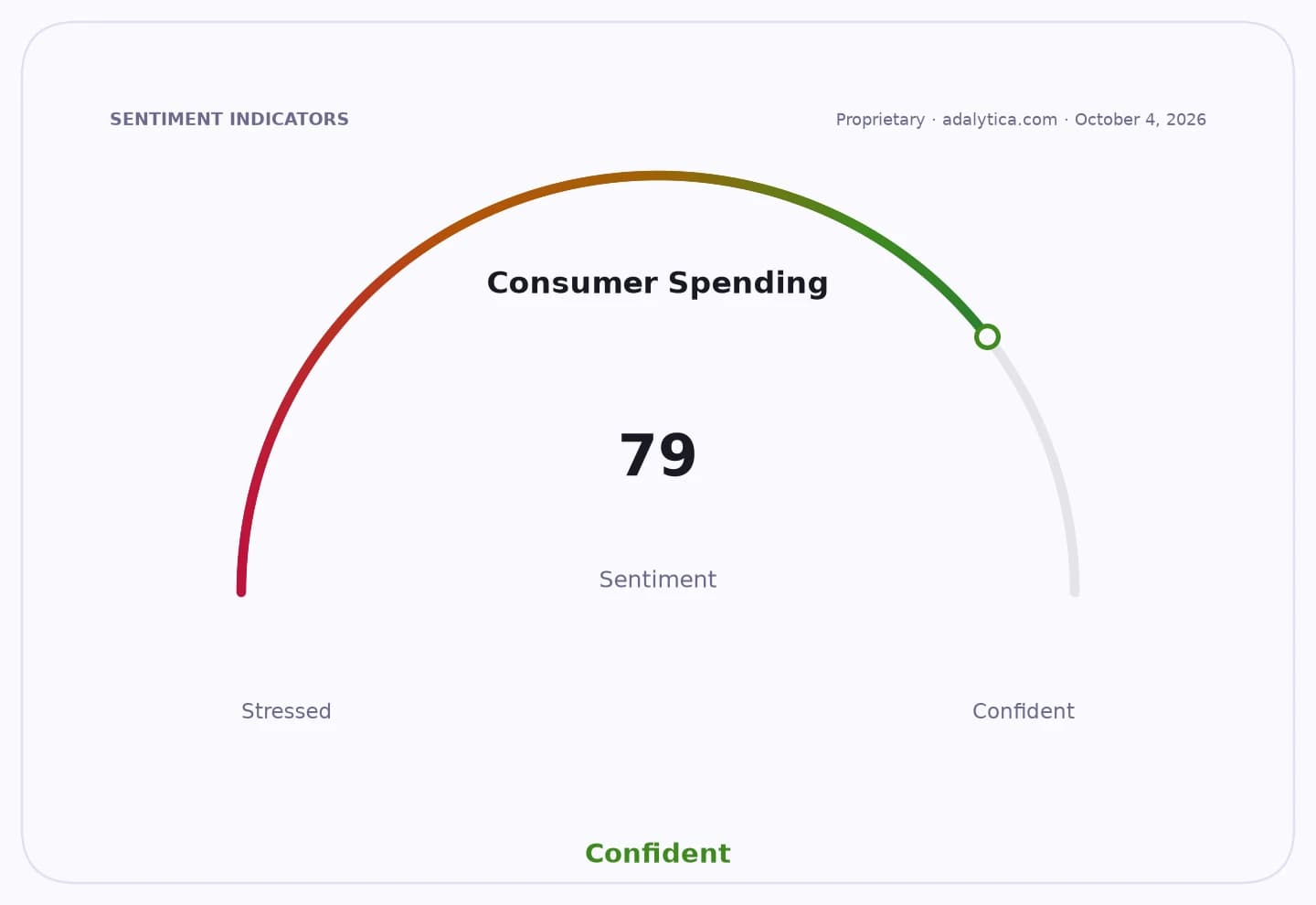
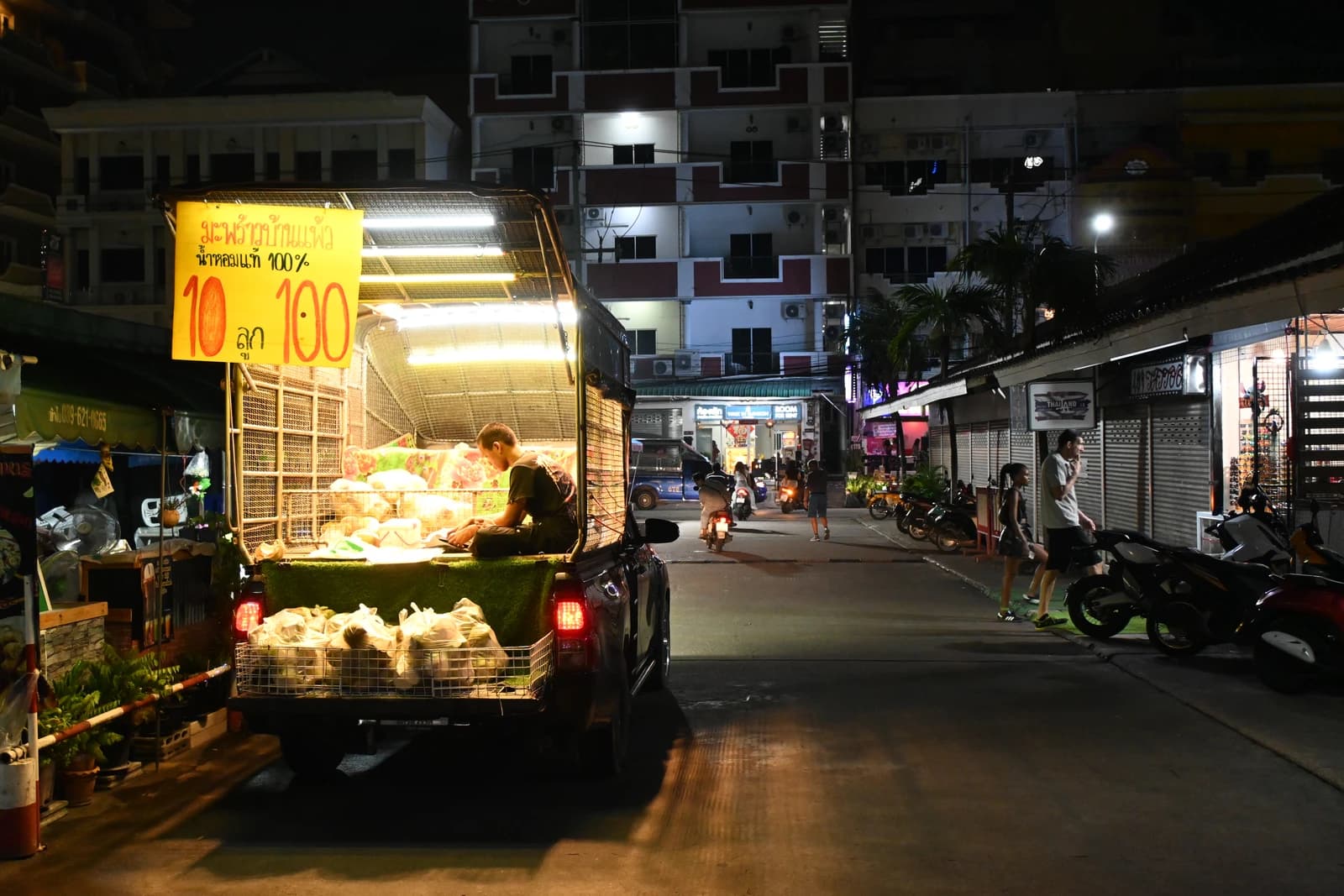
Indonesia is using village cooperatives to distribute subsidized rice at 12,500 rupiah a kilogram as the government moves to blunt rising food prices and push more aid directly to households.
Indonesia Village Cooperatives to Distribute Subsidized Rice
Food Minister Zulkifli Hasan said the Merah Putih village and urban cooperatives will act as a channel for subsidized staples and other state programs, part of a broader effort to cut out middlemen and keep basic goods affordable in rural areas. He said the rice program covers 1 million tons nationwide and is aimed at easing pressure from higher market prices.
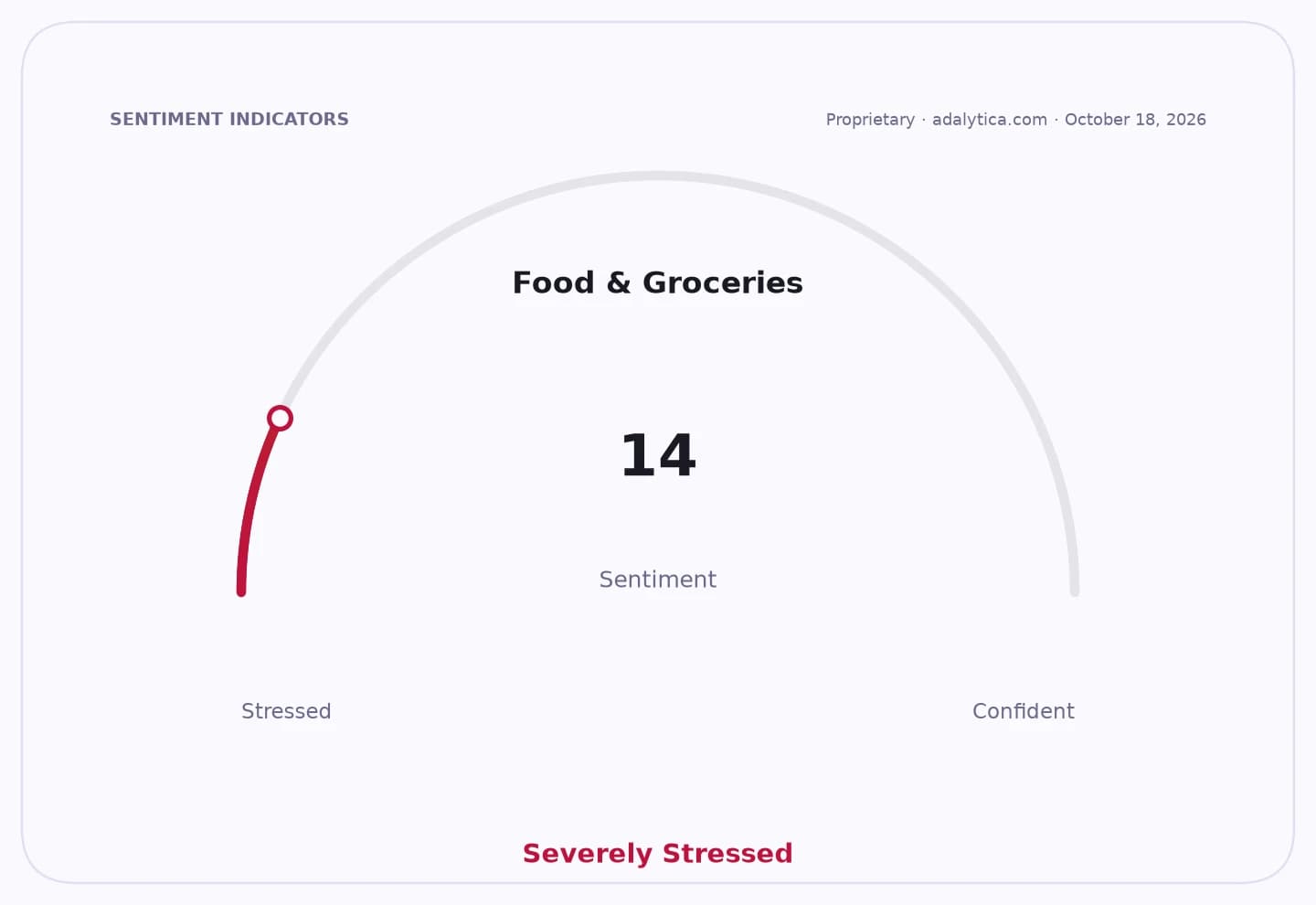
Sentiment IndicatorsⓘProprietary · adalytica.com · October 18, 2026
This is a snapshot — live sentiment, awareness and momentum for 130+ markets update continuously in the dashboard.Open AlphaPulse
The policy matters because rice is the country’s most politically sensitive food item and a major driver of household inflation. With global food costs still elevated and local supply conditions vulnerable to weather and harvest disruptions, Indonesia is leaning on direct distribution to prevent cost spikes from feeding into broader consumer prices.
Zulhas said the cooperatives will also distribute subsidized fertilizer, 3-kilogram LPG canisters, cooking oil and cash-transfer and food-aid programs, while offering basic financial services through BNI Agen 46. The setup is intended to turn the cooperatives into local service hubs for transactions, small-business financing and sales of village-made products.
The government has also set aside rice aid for 33.2 million recipients for the October-December 2026 period, with 30 kilograms to be delivered per beneficiary, equal to about 1 million tons. Officials are pressing local cooperative managers and village heads to verify recipient data to reduce leakage and avoid aid going to households that are not eligible.
For investors, the campaign underscores Indonesia’s determination to support purchasing power without waiting for market prices to normalize. It could help cap inflation expectations and stabilize consumer demand, but it also raises execution risk around logistics, data quality and the speed at which new cooperatives can operate at scale.
The broader backdrop is a rice market that has been tight but not in crisis, with prices showing modest fluctuations in parts of Asia and domestic supply conditions still under watch. If harvest losses deepen or import and export dynamics tighten, government stock releases and subsidies are likely to stay at the center of policy.
| Entity | Gains | Losses |
|---|---|---|
| Low-income households | ▲Cheaper rice and aid access | ▼Less exposure to market price spikes |
| Village cooperatives | ▲New role and traffic | ▼Higher operating and oversight burden |
| Middlemen/traders | ▲Less room for margins | ▼Loss of distribution leverage |
| Indonesian government | ▲Inflation control and political support | ▼Fiscal and execution risk |